Liberty Champions
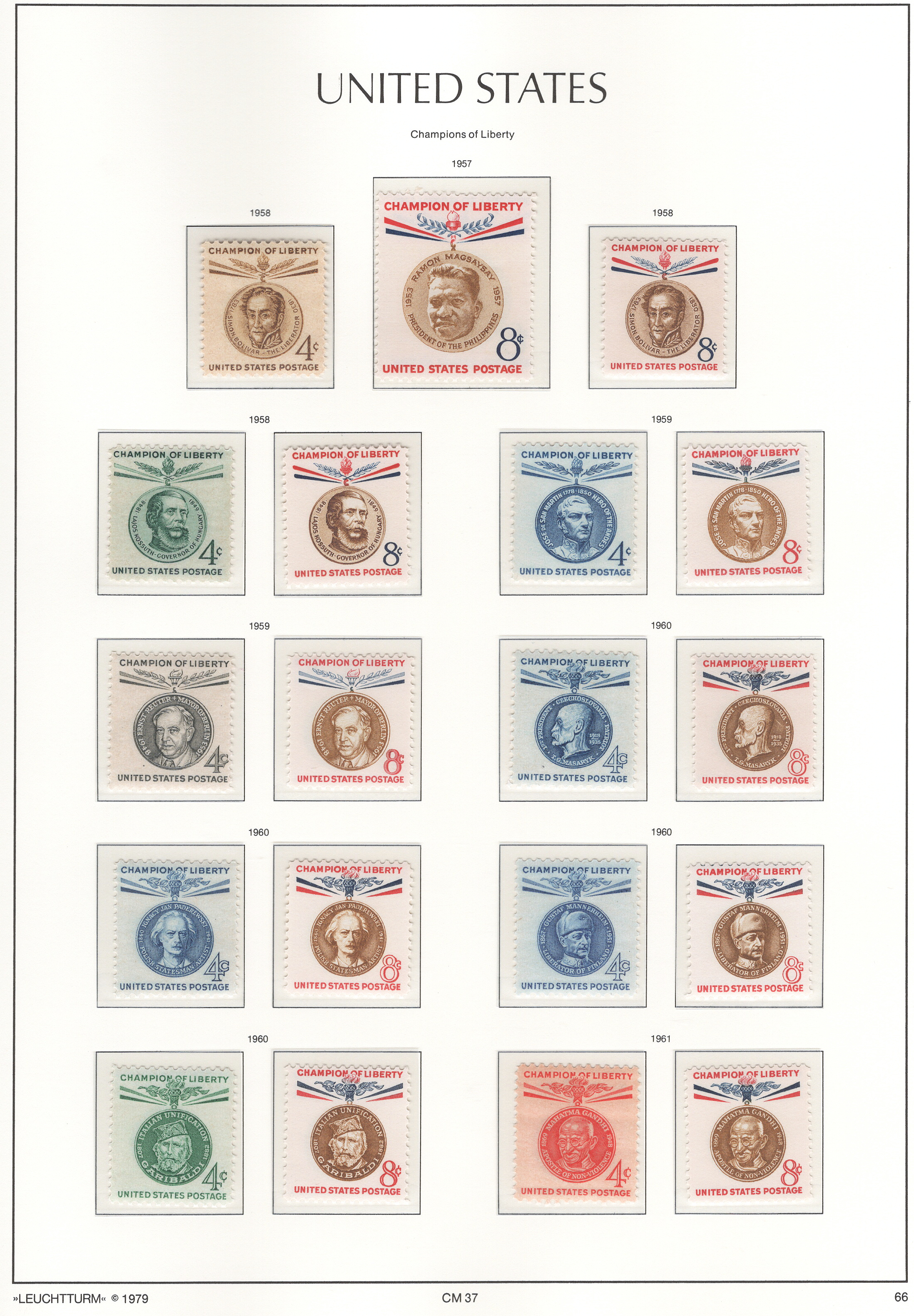
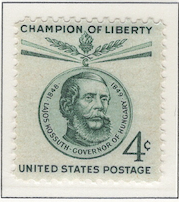
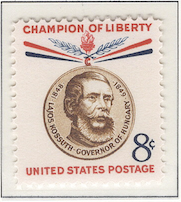
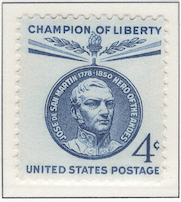
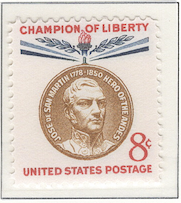
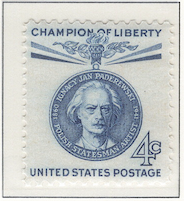
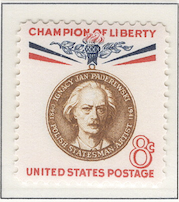
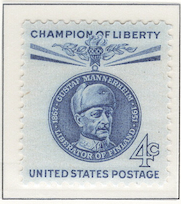
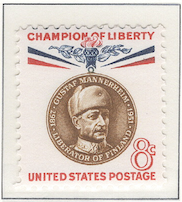
This series of stamps was issued from 1957 to 1961 to commemorate those who championed freedom and independence. The stamps were also a statement against the Soviet Union during the early years of the Cold War. The Soviets were very much about control of their people and the public message, about the absolute power of the state – not allowing for dissent and thereby oppressing freedoms in their own people and in countries they occupied and annexed. The heroes depicted and honored in these stamps fought for freedom and independence from colonial powers and from injustice.
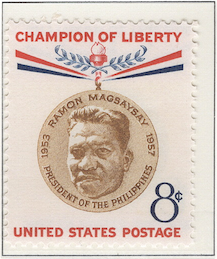
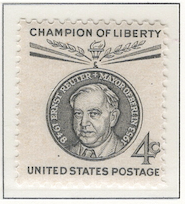
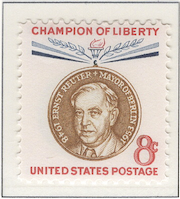
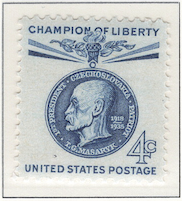
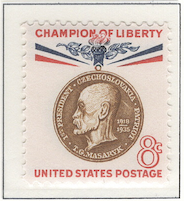
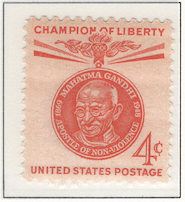
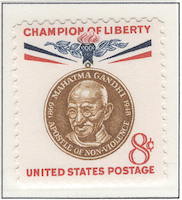
You’ll notice that for each person depicted in this series, there are two stamps: a four-cent monochrome stamp; and an eight-cent stamp printed with three colors – another step towards the future of multi-color stamps. The only exception to this pattern is the first one issued: it’s at the top of the page. It’s a much larger, tri-color eight-cent stamp of Ramon Magsaysay, who was president of the Philippines – a former colony of the U.S.
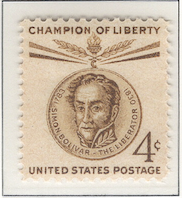
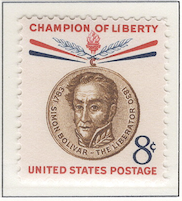
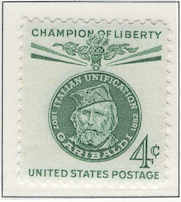
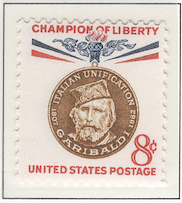
The stamps also include a pair for Simon Bolivar who fought for independence of several Spanish colonies in the Americas. There’s also a pair of stamps showing Giuseppe Garibaldi, who fought with Bolivar. He learned from that experience and went on to lead a war to conquer and unify the Italian peninsula and islands to form Italy.
Note
I don’t particularly like the look of this series. Their designs aren’t very good, nor are the colors. Most of all, I don’t like that they tell us very little about the champions of liberty. I much prefer stamps that show the protagonist in action, in a scene where they’re doing whatever it is that made them famous. For instance, I like the Columbus series that depicts key moments in Christopher Columbus’ life.
Contains 19 spots: own 19 – 19 unused, 0 used.
Page is finished.
Album or Web Page Last changed Apr 6, 2025
Stamp Details
The table below lists information about the stamps shown on this page of Lighthouse’s stamp album. For more details about a particular stamp, click on its description. That will take you to the related web page of Colnect.
spot |
own |
catalog |
subject |
description |
comment |
|---|---|---|---|---|---|
✓ |
1110 |
4c (jul 1958) |
|||
✓ |
1096 |
8c (aug 1957) |
|||
✓ |
1111 |
8c (jul 1958) |
|||
✓ |
1117 |
4c (sep 1958) |
|||
✓ |
1118 |
8c (sep 1958) |
|||
✓ |
1125 |
4c (feb 1959) |
|||
✓ |
1126 |
8c (feb 1959) |
|||
✓ |
1136 |
4c (sep 1959) |
|||
✓ |
1137 |
8c (sep 1959) |
|||
✓ |
1147 |
4c (mar 1960) |
|||
✓ |
1148 |
8c (mar 1960) |
|||
✓ |
1159 |
4c (oct 1960) |
|||
✓ |
1160 |
8c (oct 1960) |
|||
✓ |
1165 |
4c (oct 1960) |
|||
✓ |
1166 |
8c (oct 1960) |
|||
✓ |
1168 |
4c (nov 1960) |
|||
✓ |
1169 |
8c (nov 1960) |
|||
✓ |
1174 |
4c (jan 1961) |
|||
✓ |
1175 |
8c (jan 1961) |
Footnotes
Spot refers to the postion of the stamp on the album page (e.g., 3.2 indicates row 3, position 2).
Amt. is an abbreviation for the face amount of the stamp.
Own indicates the stamp status: ✓ for unused; ✗ for used or canceled; ⭑ signifies I ordered one; ; ✨ indicates it was bought recently; ✠ means an auction bid is pending; and ◎ is used, and it costs too much for unused.
To search by catalog number, go to the search box and enter it in the catalog number box. However, it’s a bit broken; I need to fix it.


















