Postage Due
❦ Priority Page ❦
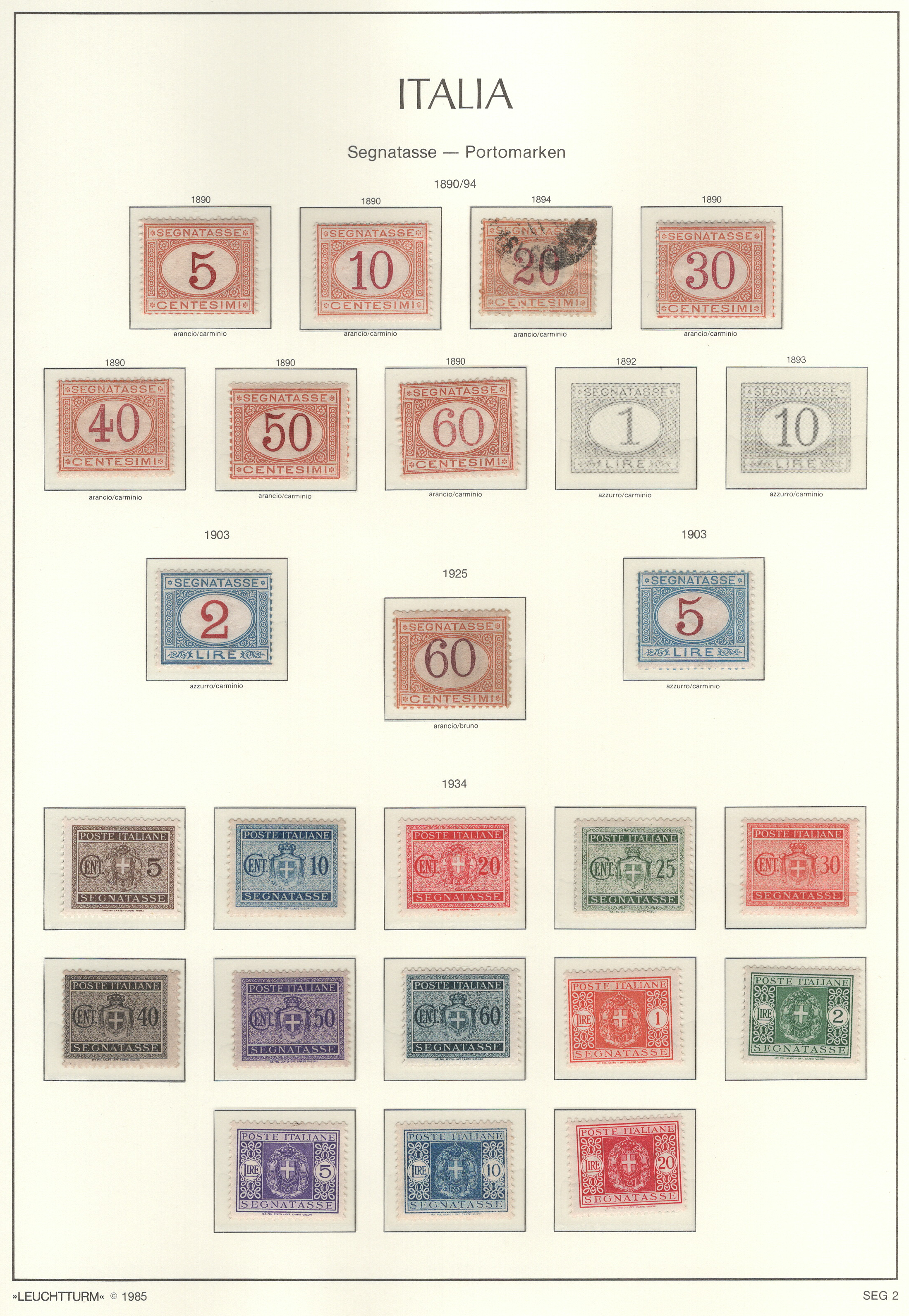
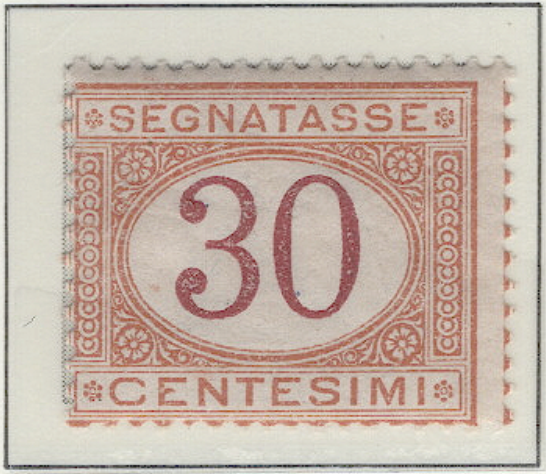
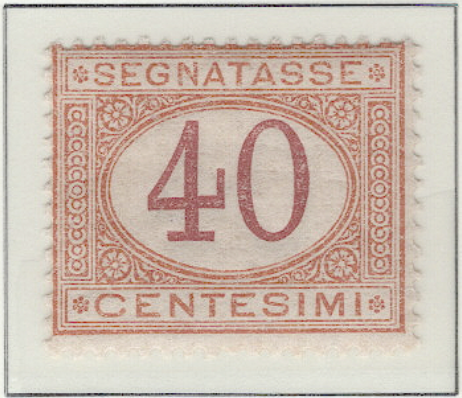
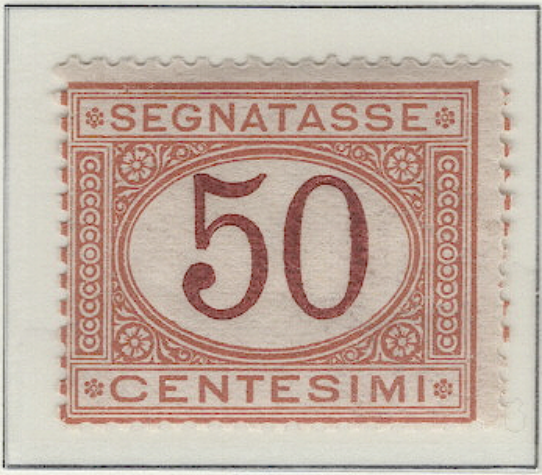
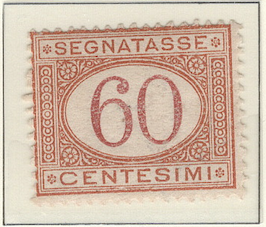
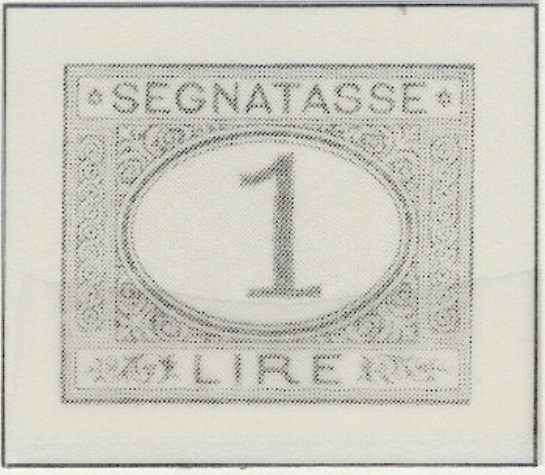
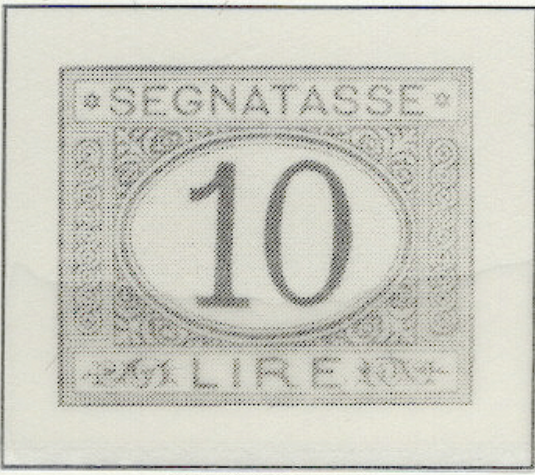
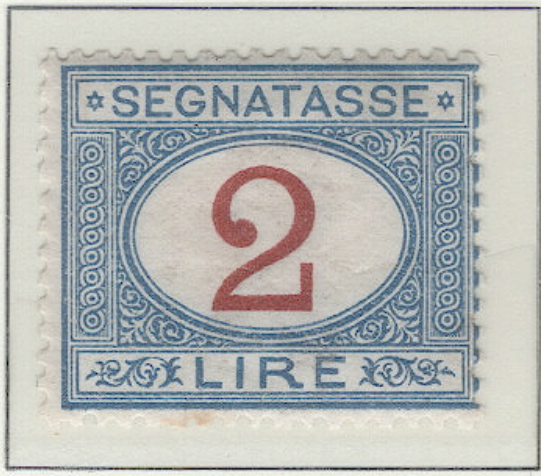
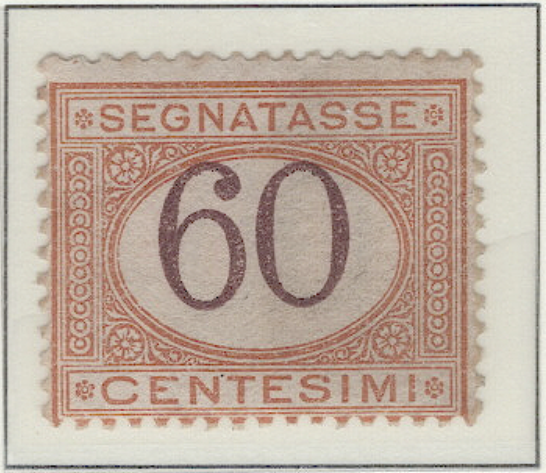
The postage due stamps on the previous page had more charm to them than these. The first set seem to continue the style of the previous ones, but a little duller. What is the point of a dull design? Is it that they didn’t want to encourage people to rely on postage due? Was it that it was shameful to send a letter without sufficient postage and they wanted to be a little discrete?
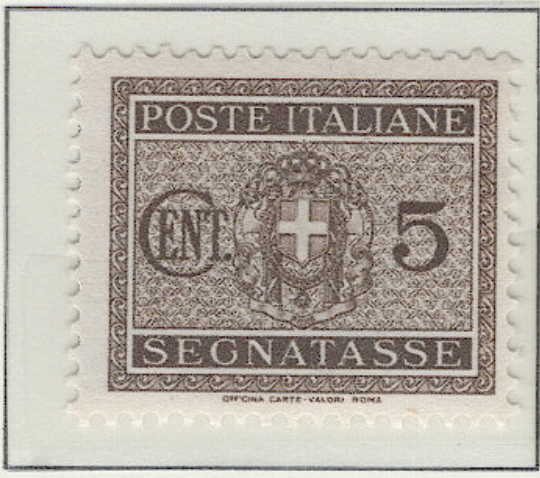
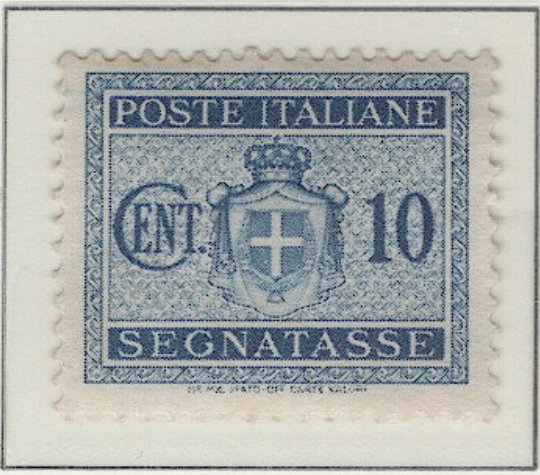
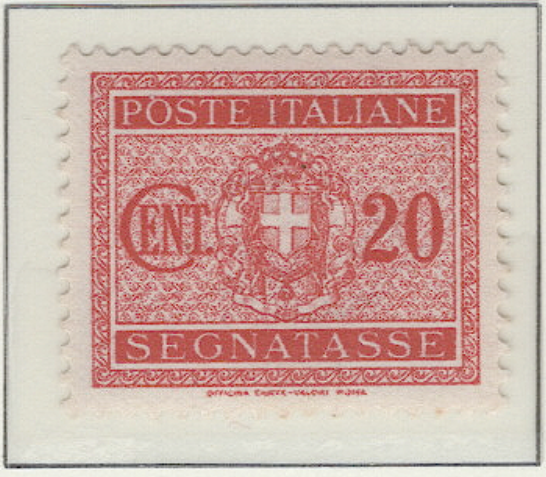
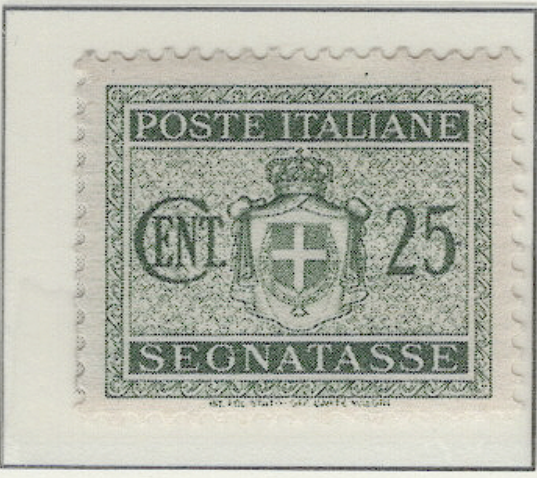
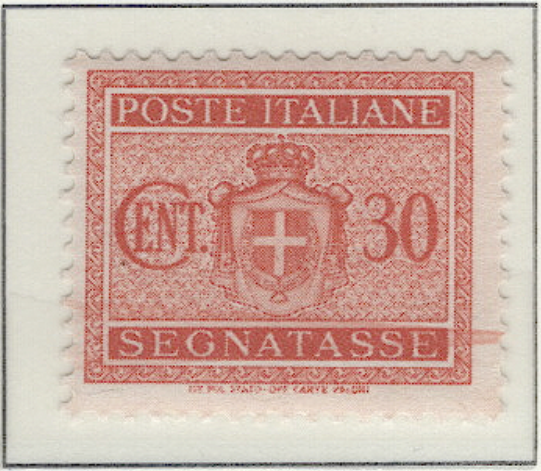
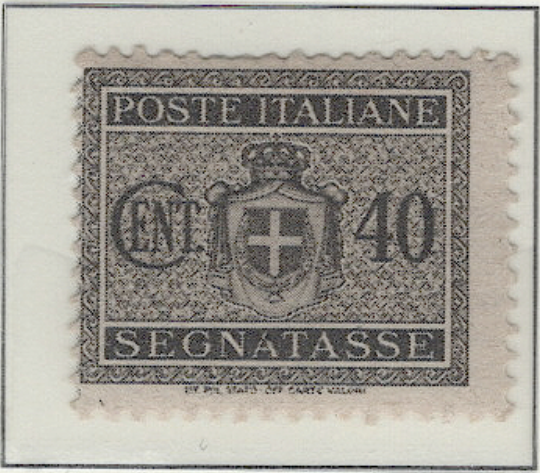
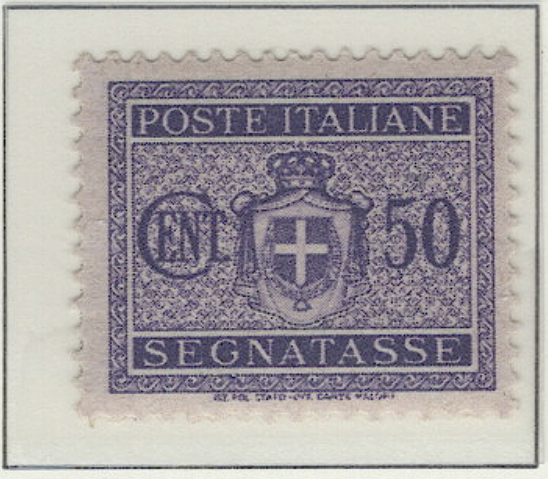
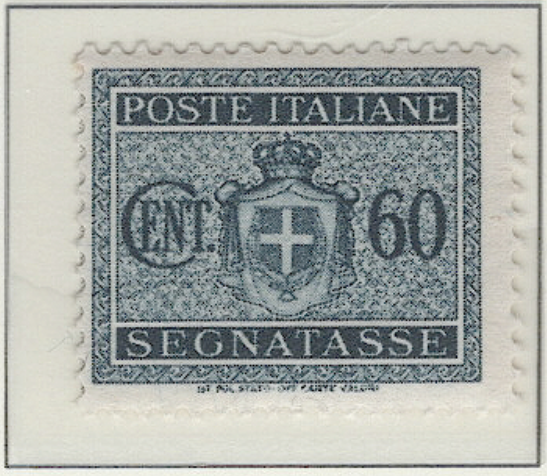
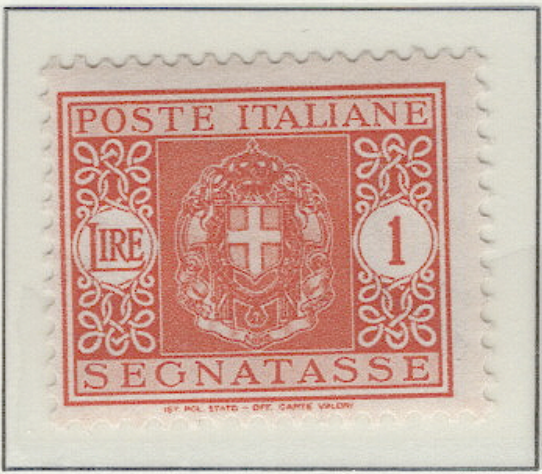
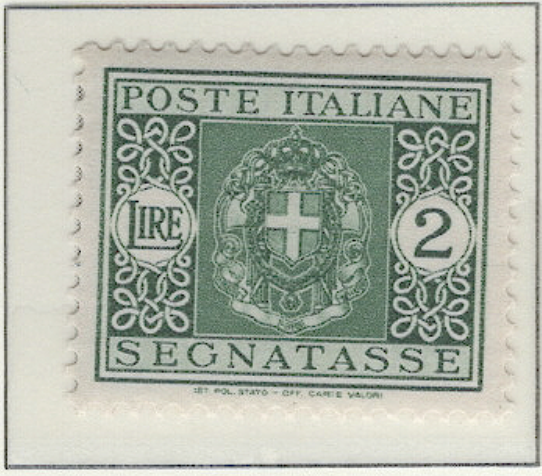
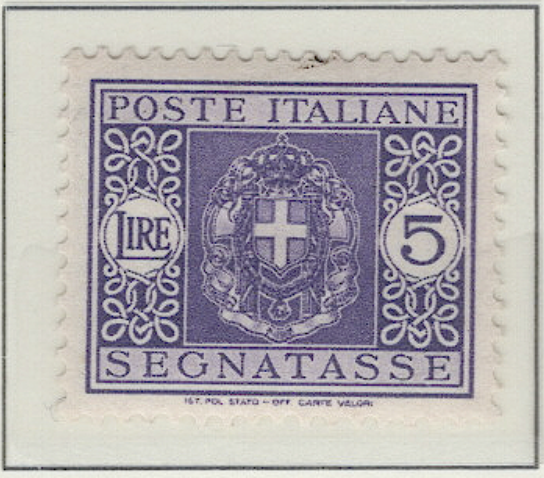
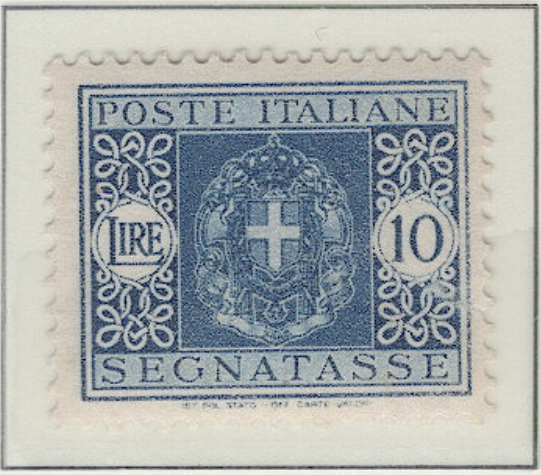
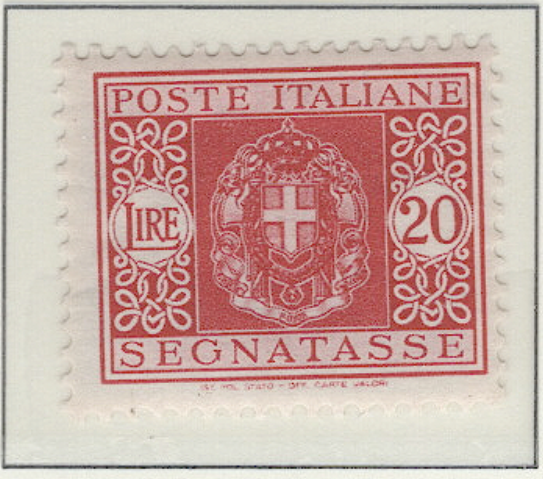
The newer set from 1934, at the bottom half of this album page are certainly blander, albeit brighter in colors compared to previous decades. At their center is the crest for the king and the house of Savoy. But the royal crest is flanked by fasces, the symbol of Mussolini’s National Fascist Party.
Those stamps and that combination on postage due stamps would remain until the end of the kingdom in the mid-1940s. The fascist symbol would be emphasized on these same stamps with an overprint when the socialist republic would be formed by the Germans after the fascists were overthrown in 1944. You can see these stamps on the SEG 4 page in the next album.
Note
Although postage due stamps are dull, I’ve always found them fascinating. I have most of them on this album page – all of the set at the bottom half, depicting the Savoy coat of arms, and I’m slowly acquiring the others.
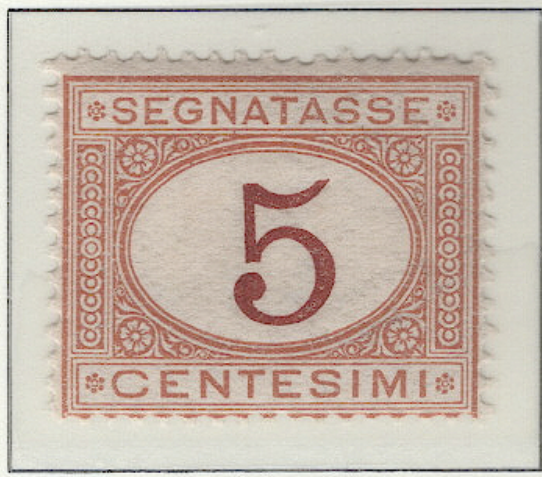
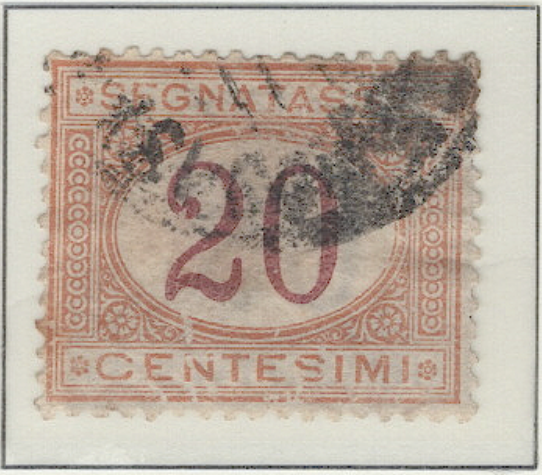
I just received one on the second row, third from the left. I’ve found the two I’m missing, but they’re a little pricey. I may get them for a lower price at an auction. I just need to keep looking for them. That will leave replacing the two used ones.
Contains 25 spots: own 23 – 22 unused, 1 used.
Album or Web Page Last changed Aug 23, 2023
Stamp Details
The table below lists information about the stamps shown on this page of Lighthouse’s stamp album. For more details about a particular stamp, click on its description. That will take you to the related web page of Colnect.
spot |
own |
catalog |
subject |
description |
comment |
Postage Due
✓ |
S20 |
5c (1890) |
|||
✓ |
S21 |
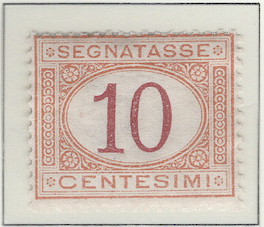
10c (1890) |
|||
✗ |
S22 |
20c (nov 1894) |
|||
✓ |
S23 |
30c (1890) |
|||
✓ |
S24 |
40c (1890) |
|||
✓ |
S25 |
50c (1890) |
|||
✓ |
S26 |
60c (1890) |
|||
S27 |
1₤ (1890) |
longobardi (€ 90) |
|||
S28 |
10₤ (1893) |
||||
✓ |
S29 |
2₤ (1903) |
|||
✓ |
S33 |
60c (jul 1925) |
|||
✓ |
S30 |
5₤ (1903) |
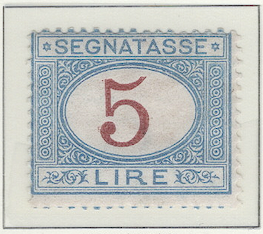
New Postage Due
✓ |
S34 |
5c (feb 1934) |
|||
✓ |
S35 |
10c (feb 1934) |
|||
✓ |
S36 |
20c (feb 1934) |
|||
✓ |
S37 |
25c (feb 1934) |
|||
✓ |
S38 |
30c (feb 1934) |
|||
✓ |
S39 |
40c (feb 1934) |
|||
✓ |
S40 |
50c (feb 1934) |
|||
✓ |
S41 |
60c (feb 1934) |
|||
✓ |
S42 |
1₤ (feb 1934) |
|||
✓ |
S43 |
2₤ (feb 1934) |
|||
✓ |
S44 |
5₤ (feb 1934) |
|||
✓ |
S45 |
10₤ (feb 1934) |
|||
✓ |
S46 |
20₤ (feb 1934) |
Footnotes
Spot refers to the postion of the stamp on the album page (e.g., 3.2 indicates row 3, position 2).
Amt. is an abbreviation for the face amount of the stamp.
Own indicates the stamp status: ✓ for unused; ✗ for used or canceled; ⭑ signifies I ordered one; ; ✨ indicates it was bought recently; ✠ means an auction bid is pending; and ◎ is used, and it costs too much for unused.
To search by catalog number, go to the search box and enter it in the catalog number box. However, it’s a bit broken; I need to fix it.
























