Political Unrest
The Years of Lead (Anni di piombo in Italian) were a period of social and political turmoil that ran from the late 1960s to the late 1980s, with far-left and far-right terrorism at its worst. The roots go back to the post-war economic boom, which pulled huge numbers of people off the land and into fast-growing cities. The political system could not keep up. The Christian Democracy party led a permanent but unstable coalition, and the hopes for reform in housing, education and social services raised by the centre-left experiment of the early 1960s were largely unmet. Student protests began in late 1967, and in 1969 millions of workers joined the strikes of the Hot Autumn (Autunno caldo). Meanwhile the Italian Communist Party, the largest opposition party, was kept out of power by an alliance of the other parties with the Christian Democrats, which disappointed radicals on the left. The neo-fascist MSI had been isolated since 1960, which frustrated radicals on the right. On December 12, 1969, a bomb at the Piazza Fontana in Milan killed 17 people. It was the work of right-wing terrorists and is often given as the symbolic start of the period. Three days later an anarchist, Giuseppe Pinelli, who had been blamed for the attack, died in police custody.
The right pursued what became known as the strategy of tension, a campaign of indiscriminate bombings meant to create panic, blame the left and provoke an authoritarian coup. A neo-fascist coup was even planned for December 1970, though it was called off at the last moment. The Red Brigades were founded in August 1970 on the far left and carried out kidnappings and targeted killings, with their first murder on June 17, 1974 in Padua. That same year, a bomb at an anti-fascist demonstration in Brescia killed eight people and wounded 102, and the bombing of the Italicus express train on August 4 killed 12. The state itself was part of the problem. The head of the military intelligence service, the SID, was arrested in 1974 on charges of conspiracy against the state, and a law of October 24, 1977 split the service into SISMI and SISDE to bring it back under civilian control. The Christian Democrats also underestimated the Red Brigades at first, even speaking of “phantom” Red Brigades. The number of active armed organizations grew from 2 in 1969 to 91 in 1977 and 269 in 1979, when there were 659 attacks. The low point came in 1978. On March 16, the Red Brigades kidnapped Aldo Moro, a former prime minister, and killed five of his security detail. Moro had been trying to bring the Communists, under Enrico Berlinguer, into government through a deal called the Historic Compromise. He was murdered on May 9, 1978 and his body was found in the trunk of a red Renault 4 in central Rome.
The violence did not end with Moro. On August 2, 1980, a neo-fascist bomb at the railway station in Bologna killed 85 people and wounded more than 200, making it the deadliest attack of the era. It began to decline in the early 1980s, after key terrorist leaders were arrested and new laws encouraged militants to become pentiti (state witnesses). The Red Brigades committed their last murder on April 16, 1988, when they killed Senator Roberto Ruffilli in Forlì, and on October 23 a group of hardliners declared that the war against the state was over. In total, the conflict caused 428 deaths and about 2,000 injuries between 1968 and 1988. Parliamentary inquiries later revealed that rogue elements of the intelligence services and the secret Propaganda Due (P2) Masonic lodge had been involved in the strategy of tension. NATO’s stay-behind network, Gladio, was also suspected of links, though this was never proved in court. Justice came slowly, and in some cases never. Two neo-fascists accused of the Piazza Fontana bombing were acquitted by the Supreme Court in 1987, while two men were sentenced to life for the Brescia bombing only on July 22, 2015.
Note
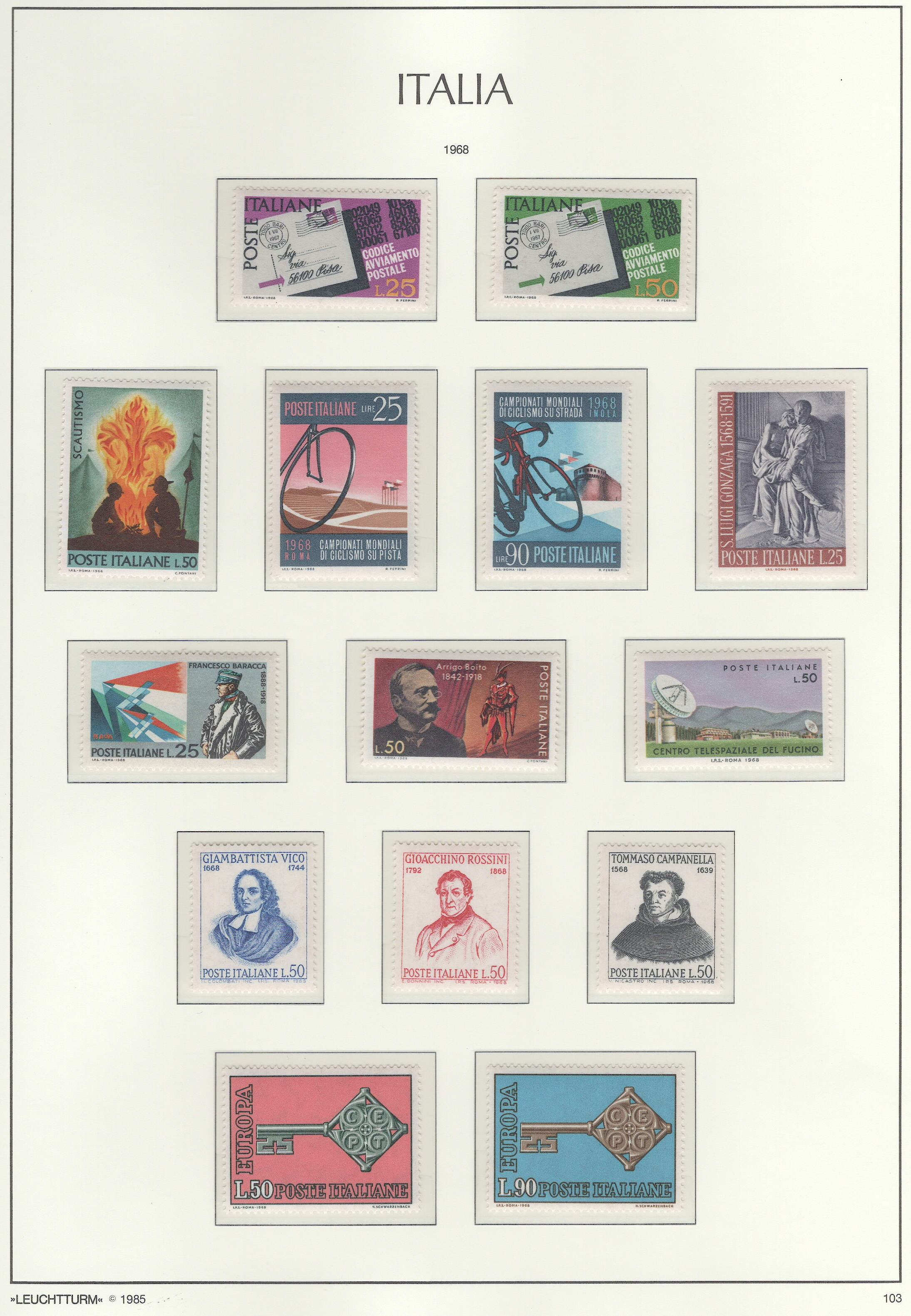
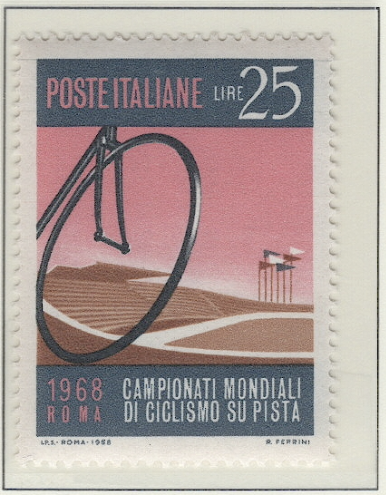
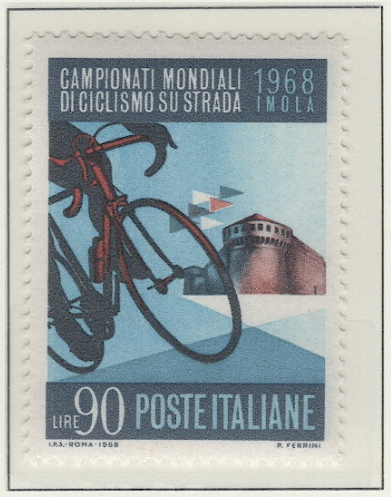
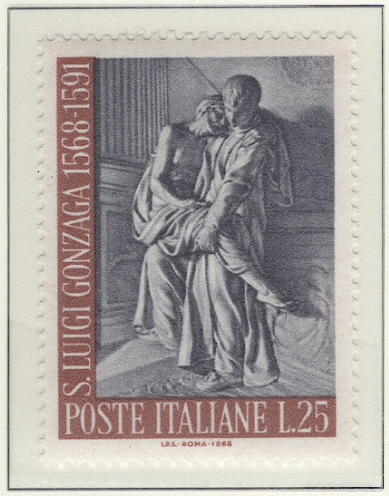
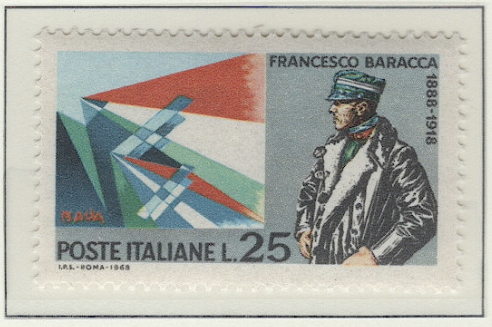
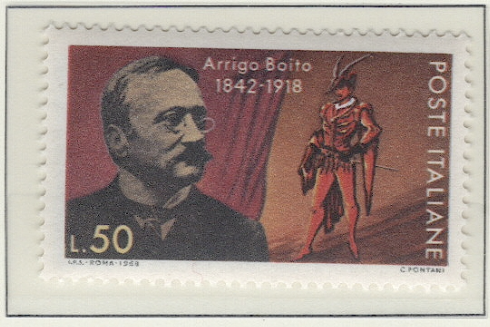
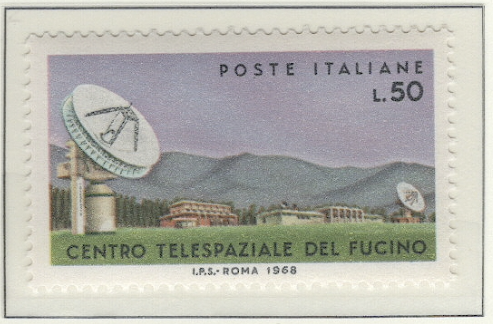
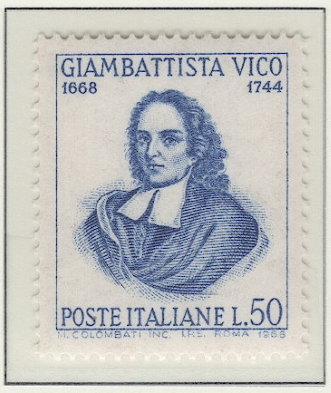
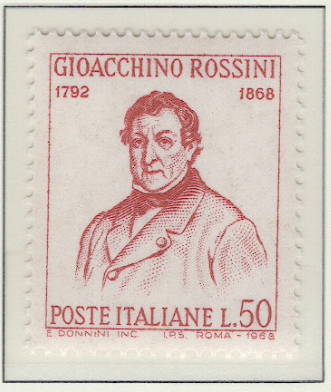
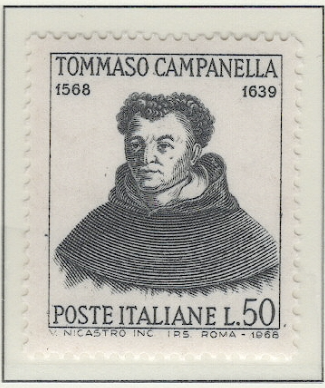
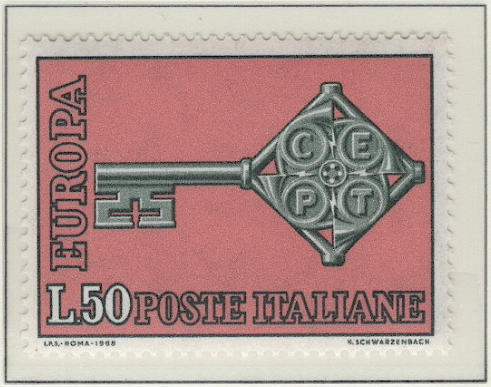
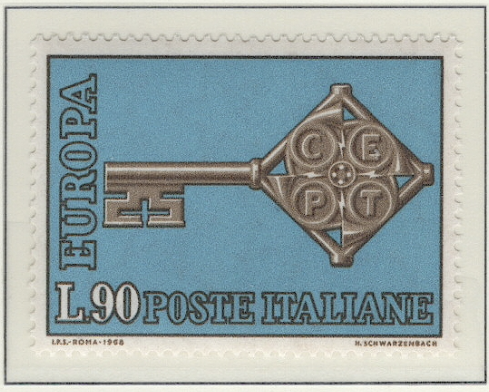
Although I don’t like the colors used, I like the design of the stamps on the fourth row. I like that type of monotone, etching style of art for stamps. The rest of the stamps on this page each use only about three colors, which is good but these look a little drab.
Contains 14 spots: own 14 – 14 unused, 0 used.
Page is finished.
Album or Web Page Last changed Jan 1, 2023
Stamp Details
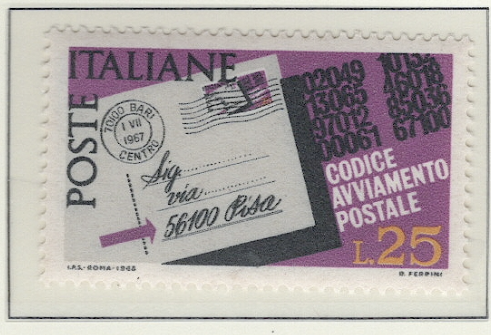
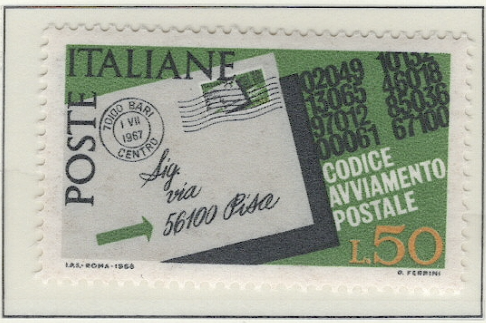
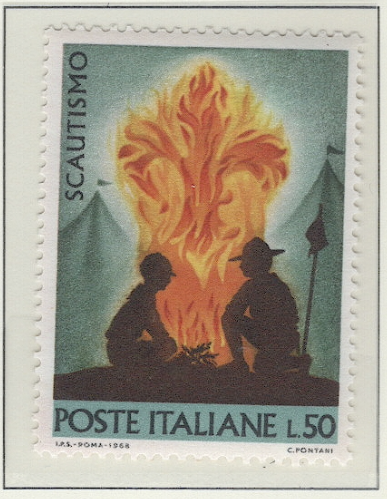
The table below lists information about the stamps shown on this page of Lighthouse’s stamp album. For more details about a particular stamp, click on its description. That will take you to the related web page of Colnect.
spot |
own |
catalog |
subject |
description |
comment |
|---|---|---|---|---|---|
✓ |
1065 |
25₤ (jan 1968) |
|||
✓ |
1066 |
50₤ (jan 1968) |
|||
✓ |
1085 |
50₤ (apr 1968) |
|||
✓ |
1092 |
25₤ (aug 1968) |
|||
✓ |
1093 |
90₤ (aug 1968) |
|||
✓ |
1088 |
25₤ (may 1968) |
|||
✓ |
1090 |
25₤ (jun 1968) |
|||
✓ |
1089 |
50₤ (jun 1968) |
|||
✓ |
1104 |
50₤ (nov 1968) |
|||
✓ |
1091 |
50₤ (jun 1968) |
|||
✓ |
1096 |
50₤ (oct 1968) |
|||
✓ |
1094 |
50₤ (sep 1968) |
|||
✓ |
1086 |
50₤ (apr 1968) |
|||
✓ |
1087 |
90₤ (apr 1968) |
Footnotes
Spot refers to the postion of the stamp on the album page (e.g., 3.2 indicates row 3, position 2).
Amt. is an abbreviation for the face amount of the stamp.
Own indicates the stamp status: ✓ for unused; ✗ for used or canceled; ⭑ signifies I ordered one; ; ✨ indicates it was bought recently; ✠ means an auction bid is pending; and ◎ is used, and it costs too much for unused.
To search by catalog number, go to the search box and enter it in the catalog number box. However, it’s a bit broken; I need to fix it.
remaining stamps & stories in sub-album
page |
story |
note |
used |
need |
ordered |
|---|---|---|---|---|---|
✓ |
|||||
✓ |
|||||
✓ |
|||||
✓ |
|||||
✓ |
|||||
✓ |
|||||
✓ |
|||||
✓ |
|||||
✓ |
|||||
✓ |
|||||
✓ |
|||||
✓ |
|||||
✓ |
|||||
✓ |
|||||
✓ |
|||||
✓ |
|||||
✓ |
|||||
✓ |
|||||
✓ |
|||||
✓ |
|||||
✓ |
|||||
✓ |
|||||
✓ |
|||||
✓ |
|||||
✓ |
|||||
✓ |
|||||
✓ |
|||||
✓ |
|||||
✓ |
|||||
✓ |
|||||
✓ |
|||||
✓ |
|||||
✓ |
|||||
✓ |
|||||
✓ |
|||||
✓ |
|||||
✓ |
|||||
✓ |
|||||
✓ |
|||||
✓ |
|||||
✓ |
|||||
✓ |














- Victory in WWI
- International Labour
- Raphael
- Papal States & U.N.
- Long Distance Telephone
- Mazzini
- Al’Italia
- Verga
- Divine Comedy
- Perosi
- Venice
- Air Force
- Caravaggio
- Fountains
- Marconi
- Guardia di Finanza
- Wine Congress
- Vasari
- Buonarroti
- International Women’s Year
- Salvo d’Acquisto
- Boccaccio
- Vittore Carpaccio
- Boccioni
- Fountains
- Salesian Missionaries
- Shipwrights
- Quintino Sella
- La Scala Opera House
- Fish
- Volleyball
- Cyclo-Cross
- Einstein
- Ottorino Respighi
- Sir Rowland Hill
- Italian Works
- Fonte Avellana
- Palma Vecchio
- Gasperi
- Aeronautics
- Pope John XXIII