Prominent Coils
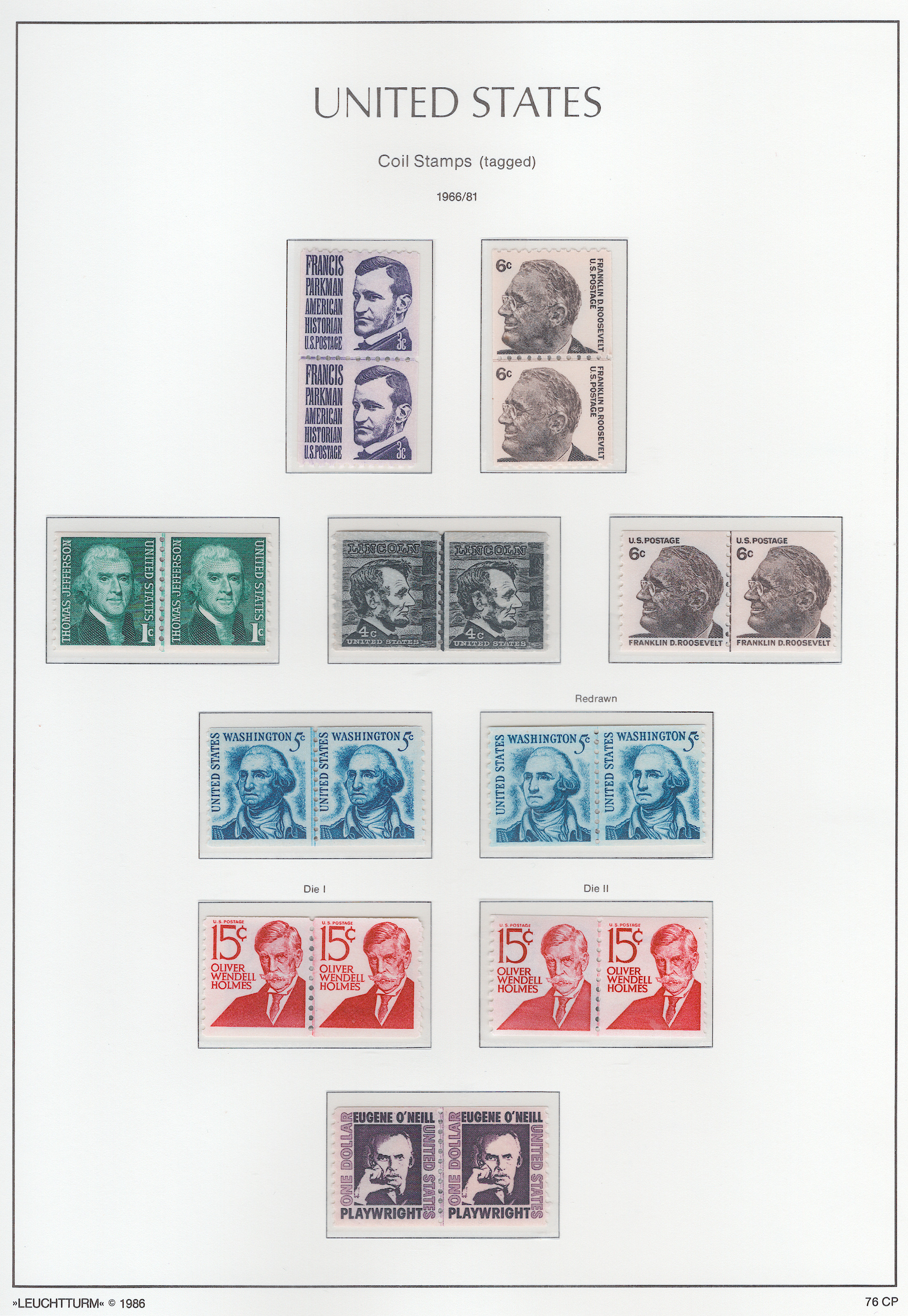
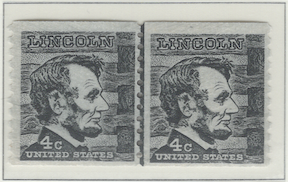
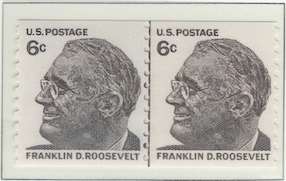
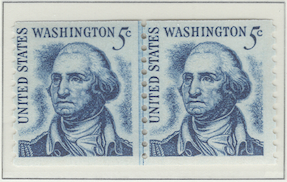
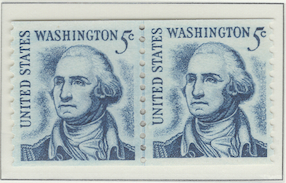
These are the same stamps as on the previous page, but were issued in coils. On this web page, I describe a couple more of the prominent Americans not normally honored with stamps.
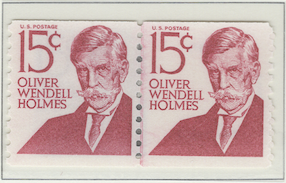
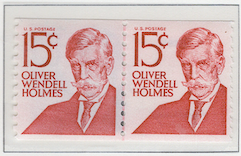
Oliver Wendell Holmes, Jr.
Holmes was born in Boston in 1841. He graduated from Harvard University before joining the Army to fight on the Union side of the U.S. Civil War. In 1864 he left the military – perhaps because he was wounded three times in battle – and went to Harvard Law School and later became a lawyer. He wrote articles and a book on the law that made him somewhat famous. He became a law professor at Harvard and later a state judge.
In 1902, President Theodore Roosevelt nominated him to the Supreme Court. He served for thirty years, the longest of anyone. He was known for his approachable style of writing legal rulings, and for siding in favor of civil liberties.
George C. Marshall
Marshall was a General of the Army (i.e., a four-star general) during World War II. He was later the Secretary of Defense, and then Secretary of State after the war. In the last role, he’s most known for developing and implementing a plan – known as the Marshall Plan – to rebuild Europe after the war. European countries, including adversarial countries (i.e., Germany and Italy) were so devastated by the war, they needed help to recover.
After World War I, nothing was done to help Germany and other countries. The problems they experienced led to a resentment which contributed to the start of World War II. Marshall recommended that that situation could be avoided and relations improved with other countries by helping them to rebuild, including forming demoocracies not led by royalty but by elected citizens. The Marshall plan has proven to be very successful and is still the basis for good relations between the U.S. and almost all countries of Europe.
Note
This page is complete, except for the one pair of tagged Oliver Wendell Holmes stamps at the bottom. But I shall soon have them and be able to complete this page after so many decades of being on the look-out for them. I’m not glad to be free of the nagging absence than for the completion – if that makes sense.
Contains 10 spots: own 10 – 10 unused, 0 used.
Page is finished.
Album or Web Page Last changed May 3, 2025
Stamp Details
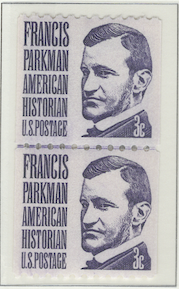
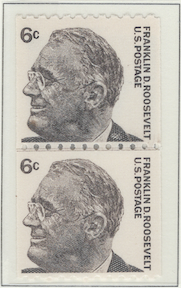
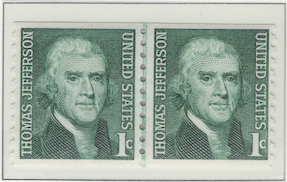
The table below lists information about the stamps shown on this page of Lighthouse’s stamp album. For more details about a particular stamp, click on its description. That will take you to the related web page of Colnect.
spot |
own |
catalog |
subject |
description |
comment |
Prominent Americans
✓ |
1297 |
3c (nov 1975) |
|||
✓ |
1298 |
6c (dec 1967) |
|||
✓ |
1299 |
1c (jan 1968) |
|||
✓ |
1303 |
4c (may 1966) |
|||
✓ |
1305 |
6c (feb 1968) |
|||
✓ |
1304 |
George Washington |
5c (sep 1966) |
||
✓ |
1304C |
5c (apr 1981) |
|||
✓ |
1305E |
15c (jun 1978) |
|||
✓ |
1305El |
15c (jun 1978) |
|||
✓ |
1305C |
$1 (jan 1973) |
Footnotes
Spot refers to the postion of the stamp on the album page (e.g., 3.2 indicates row 3, position 2).
Amt. is an abbreviation for the face amount of the stamp.
Own indicates the stamp status: ✓ for unused; ✗ for used or canceled; ⭑ signifies I ordered one; ; ✨ indicates it was bought recently; ✠ means an auction bid is pending; and ◎ is used, and it costs too much for unused.
To search by catalog number, go to the search box and enter it in the catalog number box. However, it’s a bit broken; I need to fix it.









