Jacqueline Cochran
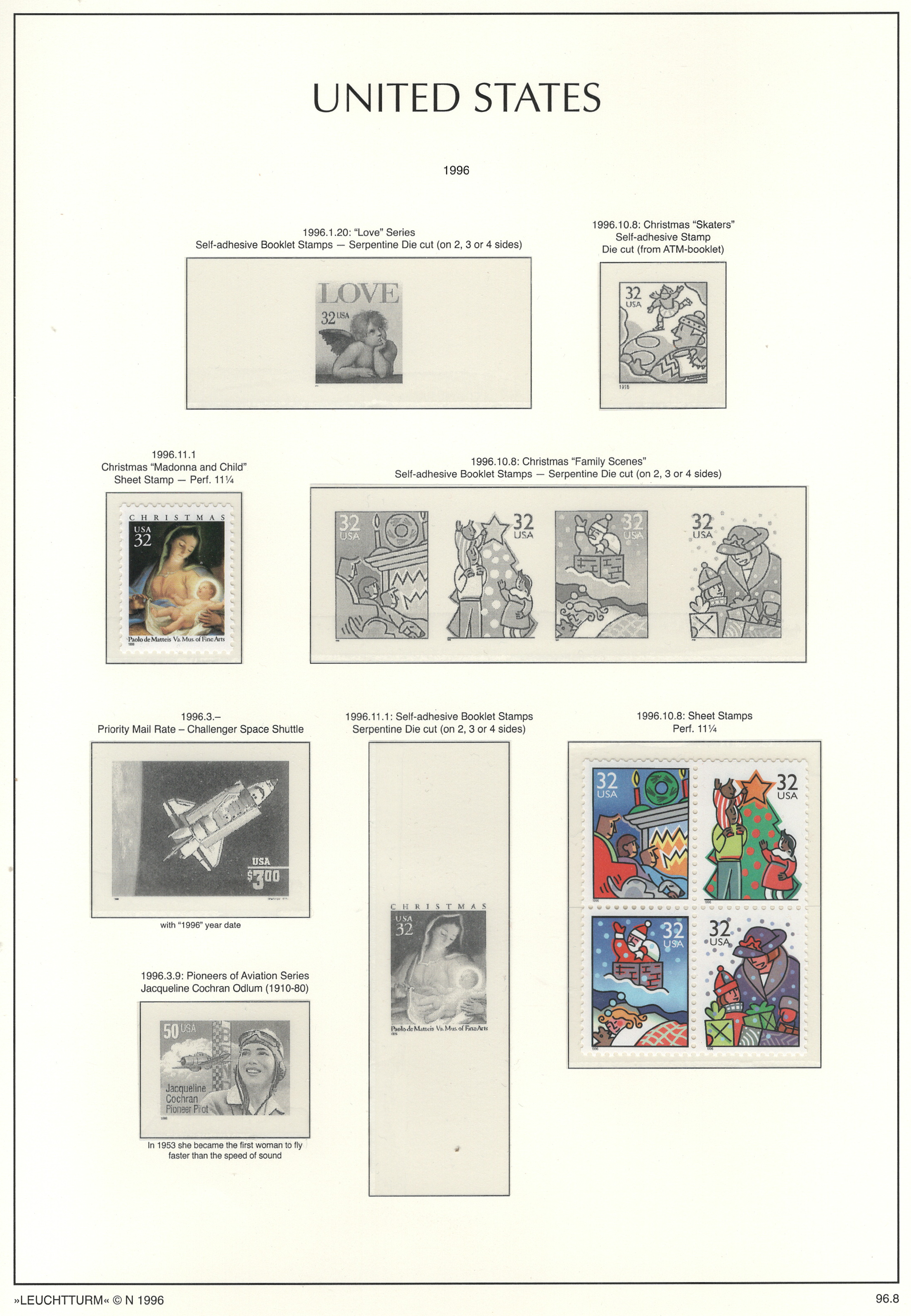
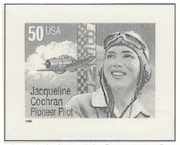
Jacqueline Cochran was born Bessie Lee Pittman on May 11, 1906 in the Florida Panhandle. She became a hairdresser and moved to New York City, where she took a job at a salon in Saks Fifth Avenue. There she met the financier Floyd Bostwick Odlum, who offered to help her start a cosmetics business.
In the early 1930s she learned to fly in about three weeks. After marring Odlum in 1936, she flew her own plane around the country to promote her cosmetics line, Wings to Beauty.
Cochran quickly became a serious racer. She was one of three women in the MacRobertson Air Race in 1934, and in 1937 she worked with Amelia Earhart to open the Bendix race to women. She won it in 1938. In June 1941 she became the first woman to fly a bomber across the Atlantic, and she then spent several months with the British Air Transport Auxiliary, recruiting American women pilots. When she heard the U.S. had started a women’s ferrying squadron, she returned home and lobbied for more. As a result, the Women Airforce Service Pilots (WASP) was created in August 1943 with Cochran as director, training women at Avenger Field in Sweetwater, Texas.
After the war, she joined the Air Force Reserve, retiring as a colonel in 1970. On May 18, 1953, she flew a Canadair Sabre over California’s Rogers Dry Lake and became the first woman to break the sound barrier, with encouragement from Chuck Yeager. She won five Harmon Trophies and held more speed, distance and altitude records than any other pilot of her time. She was an early sponsor of the Mercury 13 women astronaut program, but in 1962 she testified against it, and it’s generally believed she was worried about losing her place as the most famous woman pilot. Cochran died on August 9, 1980 in Indio, California. As you can see, the 50 cent stamp issued in 1996 shows her in front of a Bendix Trophy pylon with her P-35 in the background.
Note
This page is a bit of a mess. I don’t like the layout. Nor do I like having air mail and special delivery stamps together with Christmas stamps and regular definitive stamps. But it doesn’t bother me enough to replace this Leuchtturm page with one of my own.
Contains 11 spots: own 2 – 2 unused, 0 used.
Stamp Details
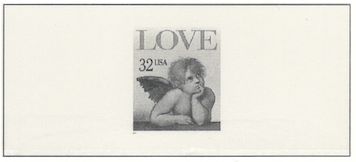
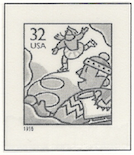
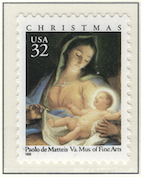
The table below lists information about the stamps shown on this page of Lighthouse’s stamp album. For more details about a particular stamp, click on its description. That will take you to the related web page of Colnect.
spot |
own |
catalog |
subject |
description |
comment |
|---|---|---|---|---|---|
3030c |
32¢ (jan 1996) |
||||
3117 |
32¢ (oct 1996) |
||||
✓ |
3107 |
Madonna & Child |
32¢ (nov 1996) |
||
3108 |
32¢ (oct 1996) |
||||
3109 |
32¢ (oct 1996) |
||||
3110 |
32¢ (oct 1996) |
||||
3111 |
32¢ (oct 1996) |
||||
2544b |
$3.00 (jan 1996) |
||||
3112 |
Madonna & Child |
32¢ (nov 1996) |
|||
✓ |
3111a |
32¢ (oct 1996) |
|||
3066 |
50¢ (mar 1996) |
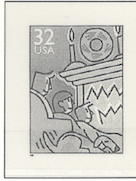
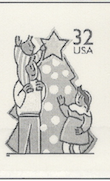
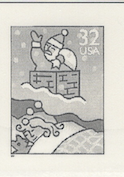
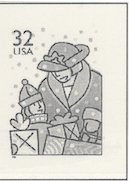
Footnotes
Spot refers to the postion of the stamp on the album page (e.g., 3.2 indicates row 3, position 2).
Amt. is an abbreviation for the face amount of the stamp.
Own indicates the stamp status: ✓ for unused; ✗ for used or canceled; ⭑ signifies I ordered one; ; ✨ indicates it was bought recently; ✠ means an auction bid is pending; and ◎ is used, and it costs too much for unused.
To search by catalog number, go to the search box and enter it in the catalog number box. However, it’s a bit broken; I need to fix it.










