Giorgio de Chirico
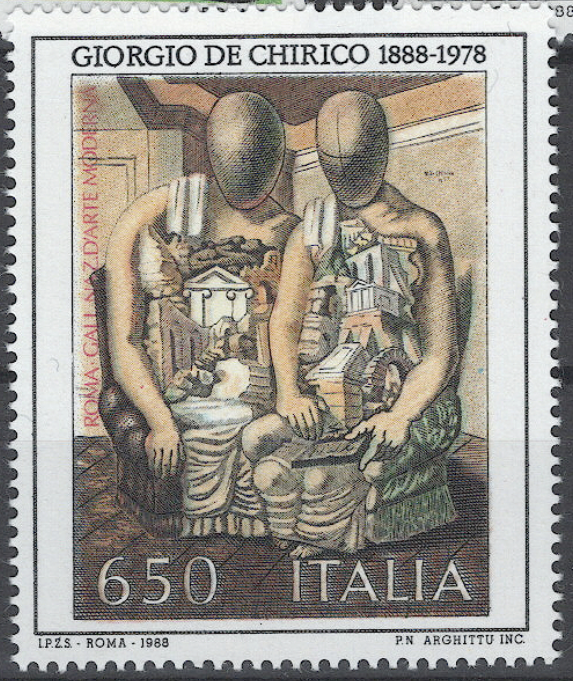
Giorgio de Chirico was born in Volos, Greece, on July 10, 1888. He was the eldest son of an engineer, and his younger brother Andrea wrote and painted under the name Alberto Savinio. He studied at the Athens Polytechnic from 1900, and after his father died in 1905 the family moved to Germany, where he attended the Munich Academy of Fine Arts. There he read Nietzsche and was drawn to the work of Arnold Böcklin and Max Klinger, whose influence shows in his early paintings. He returned to Italy in 1909 and moved to Florence in 1910, where he painted the first of his Metaphysical Town Square works. In 1911 he passed through Turin and then moved to Paris to join his brother.
His best known work, from roughly 1909 to 1919, uses empty arcades, long shadows, towers, trains and mannequin-like figures in illogical perspective (e.g., The Enigma of an Hour, The Song of Love and Melancholy and Mystery of a Street). In Ferrara in 1915, he worked with Carlo Carrà to found the pittura metafisica (metaphysical painting) movement. The Surrealists were deeply impressed by his early work and accepted him into their group in 1924. However, they criticized his later paintings, and he broke with them by the late 1920s. After 1919 he rejected modern art and turned to classicizing styles inspired by the old masters, and from the late 1930s to the late 1960s he worked in a neo-Baroque manner. He died in Rome on November 20, 1978, at the age of 90.
Note
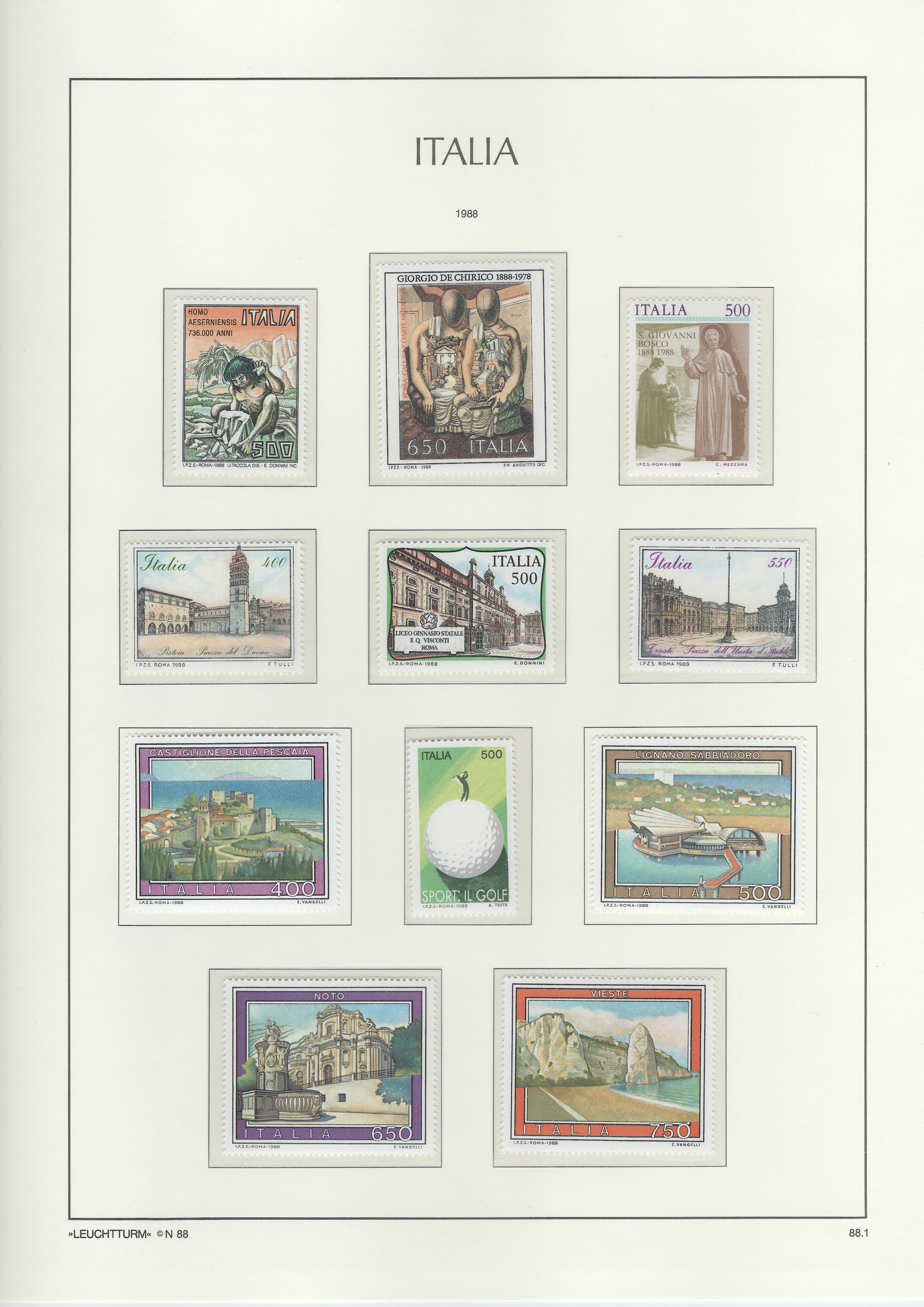
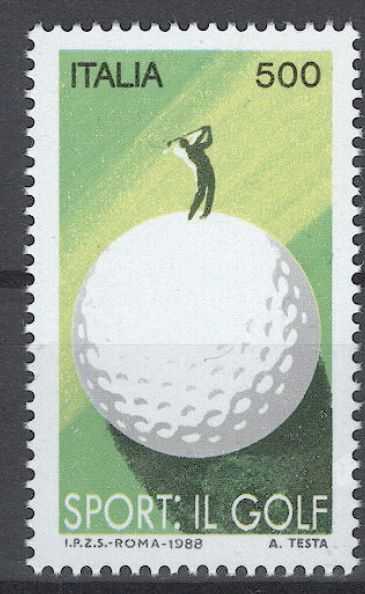
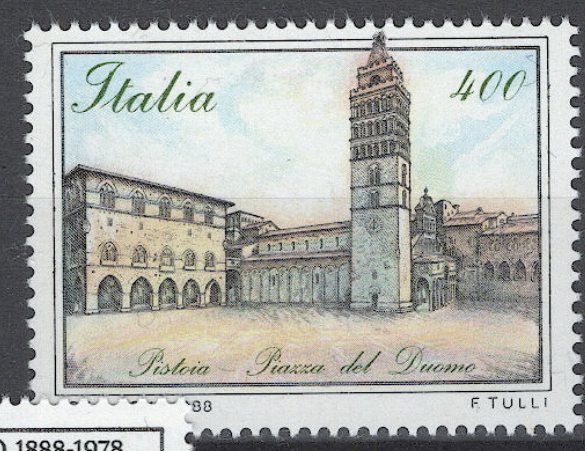
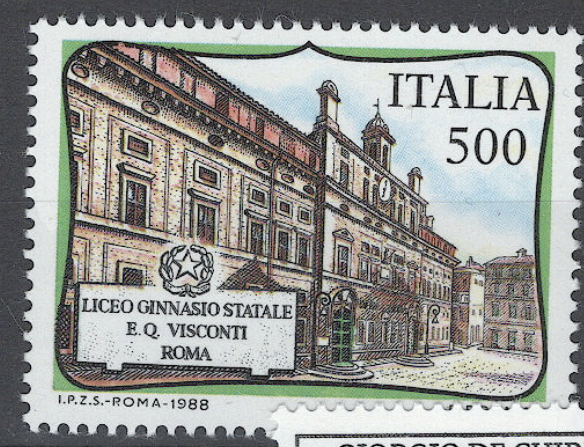
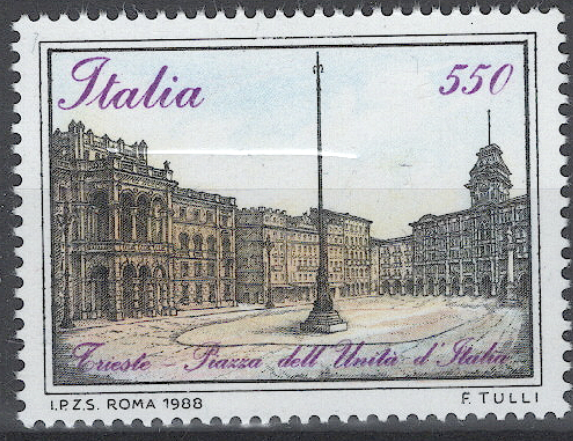
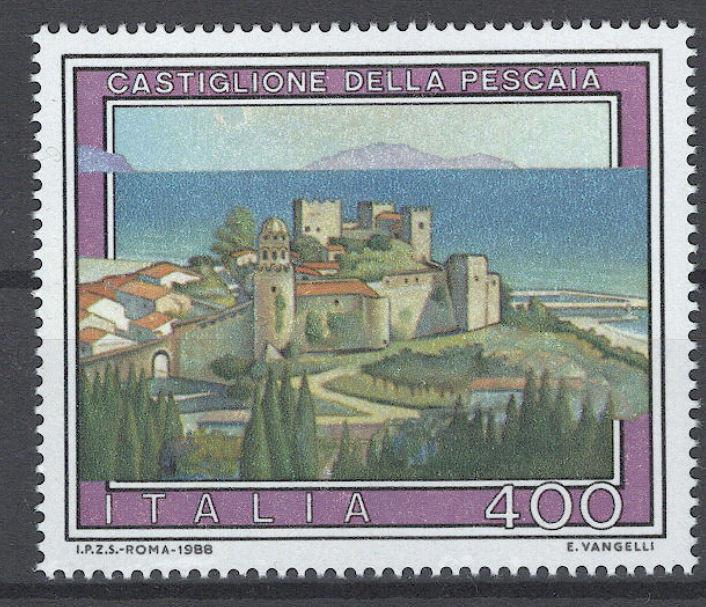
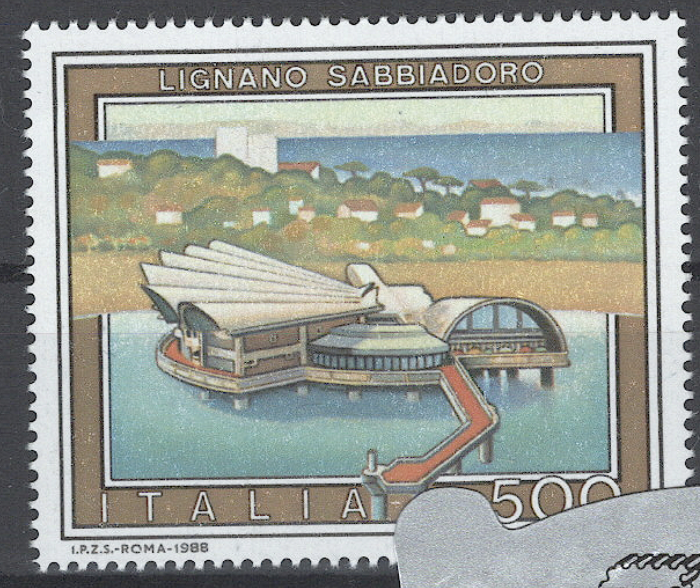
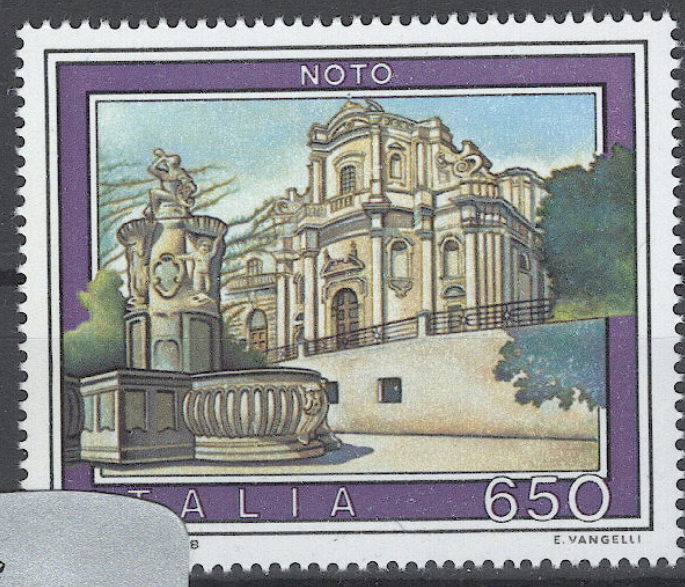
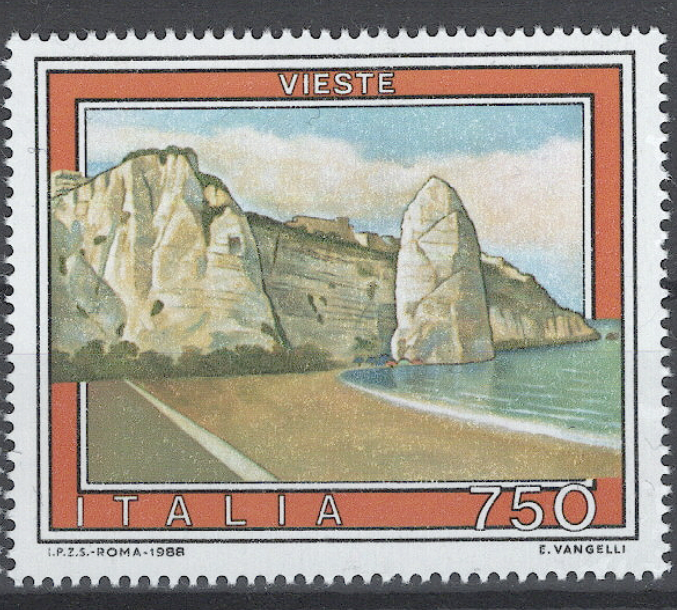
On this album page you can see stamps from the villa series and from the sightseeing series. Although these site stamps look nicer than previous ones, a better size and design, I still prefer the style and size of the villa series.
Contains 11 spots: own 11 – 11 unused, 0 used.
Page is finished.
Album or Web Page Last changed Sep 5, 2023
Stamp Details
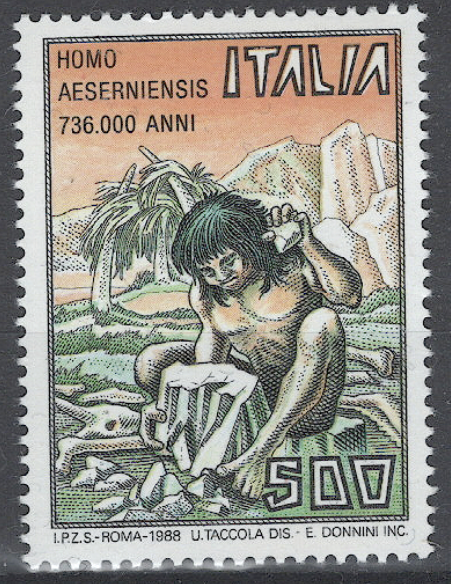
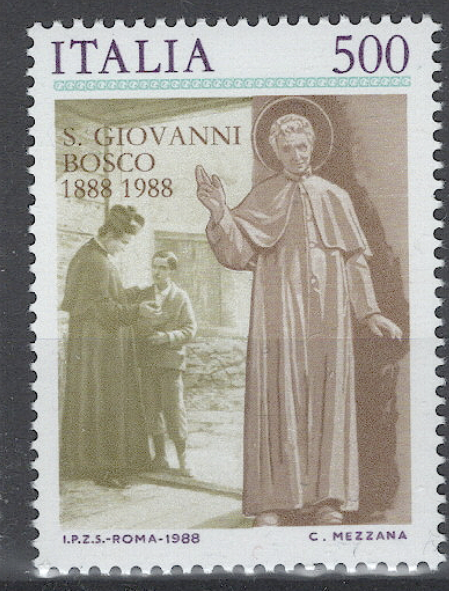
The table below lists information about the stamps shown on this page of Lighthouse’s stamp album. For more details about a particular stamp, click on its description. That will take you to the related web page of Colnect.
spot |
own |
catalog |
subject |
description |
comment |
|---|---|---|---|---|---|
✓ |
1822 |
500₤ (feb 1988) |
|||
✓ |
1825 |
650₤ (apr 1988) |
|||
✓ |
1824 |
500₤ (apr 1988) |
Tourism - Site Promotion
✓ |
1834 |
500₤ (may 1988) |
Piazzas
✓ |
1840 |
400₤ (jul 1988) |
|||
✓ |
1823 |
500₤ (mar 1988) |
|||
✓ |
1841 |
550₤ (jul 1988) |
Tourism - Site Promotion
✓ |
1830 |
400₤ (may 1988) |
|||
✓ |
1831 |
500₤ (may 1988) |
|||
✓ |
1832 |
650₤ (may 1988) |
|||
✓ |
1833 |
750₤ (may 1988) |
Footnotes
Spot refers to the postion of the stamp on the album page (e.g., 3.2 indicates row 3, position 2).
Amt. is an abbreviation for the face amount of the stamp.
Own indicates the stamp status: ✓ for unused; ✗ for used or canceled; ⭑ signifies I ordered one; ; ✨ indicates it was bought recently; ✠ means an auction bid is pending; and ◎ is used, and it costs too much for unused.
To search by catalog number, go to the search box and enter it in the catalog number box. However, it’s a bit broken; I need to fix it.










