Maine
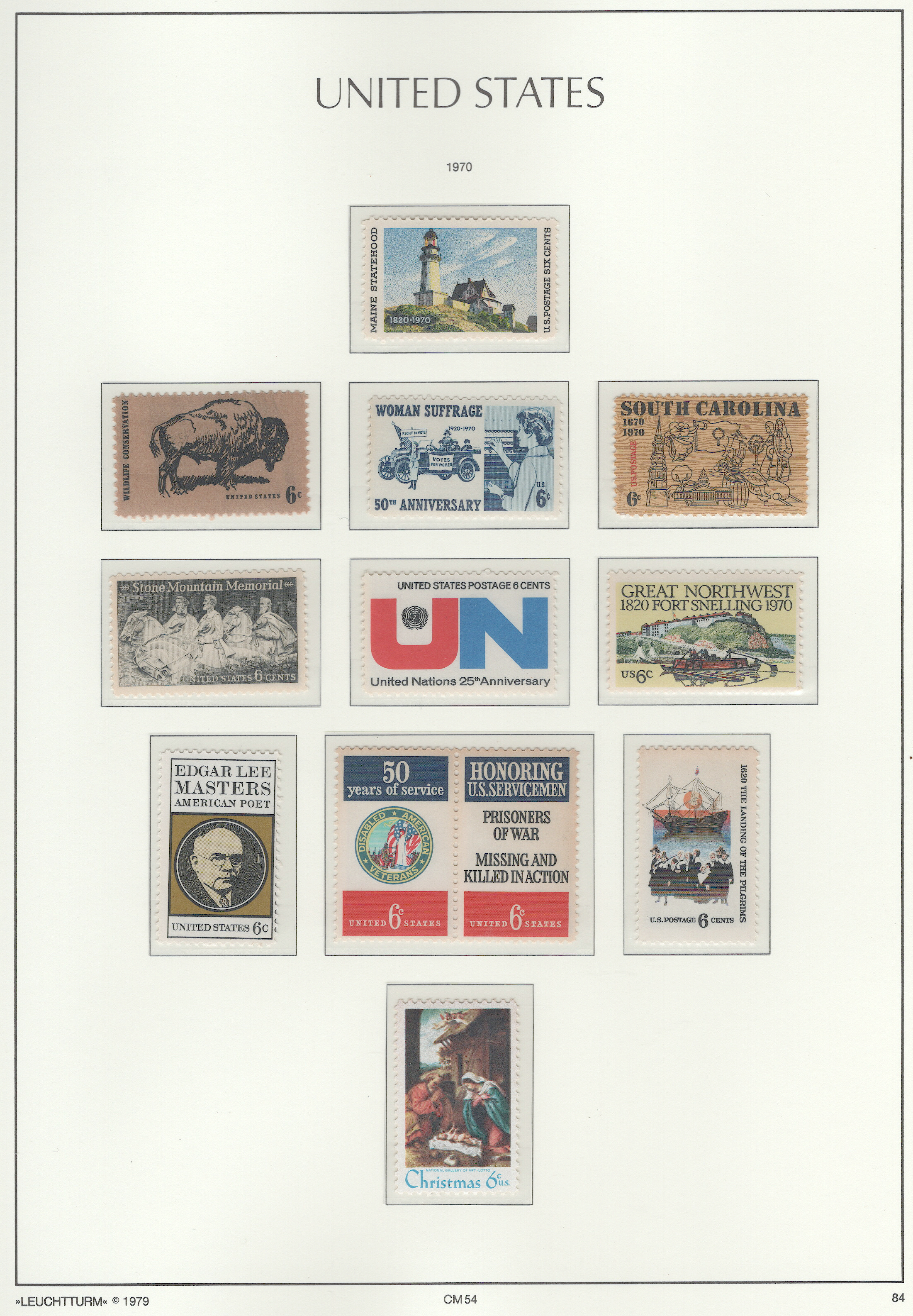
Maine was first settled by Algonquian tribes about twelve thousand years ago. About one thousand years ago, Norse people from Greenland settled in the area (see Leif Erikson). In the early 1600s, the area was settled by English. It was part of the Massachusetts Bay Colony, and later part of the state of Massachusetts.
In March 1820, as part of the Missouri Compromise, Maine seceded from Massachusetts and was granted statehood along with Missouri. At that time, the balance of states with slavery could not exceed states without slavery. To admit Missouri, which had slaves, would have given slaveholding states more power in government. As a compromise, Maine was admitted as a state at the same time since it had no slaves, thus maintaining the balance in the U.S. legislature: each state gets two senators in the Senate, and at least one representative in the House. But that’s all history. What’s more interesting is how Maine is now.
Maine is a beautiful state with plenty of forests, wildlife, fresh air and nice people. It’s located on the Atlantic coast by the St. Lawrence Seaway, bordering with Canada by Newfoundland. It has about two-hundred thirty miles of coastline, along with many beaches and rocky waterfronts – and lighthouses. Maine has thousands of islands and it’s known for lobsters and other seafood, as well as blueberries and other crops. I’ve been to Maine a few times. It’s wonderful and the people are among the best in the U.S.
Note
The stamp at the top was issued to commemorate the one-hundred fiftieth anniversary of Maine’s statehood. It shows a lighthouse on the coast. I love lighthouses. I wouldn’t want to live in one, but there’s something neat about them. There’s a line in the Raymond Chandler novel, The Little Sister, in which the main character, Philip Marlowe says he’s Lonely as lighthouses. That resonates with me at times.
Contains 12 spots: own 12 – 12 unused, 0 used.
Page is finished.
Album or Web Page Last changed Apr 27, 2025
Stamp Details
The table below lists information about the stamps shown on this page of Lighthouse’s stamp album. For more details about a particular stamp, click on its description. That will take you to the related web page of Colnect.
spot |
own |
catalog |
subject |
description |
comment |
|---|---|---|---|---|---|
✓ |
1391 |
6c (jul 1970) |
|||
✓ |
1392 |
Wildlife Conservation |
6c (jul 1970) |
||
✓ |
1406 |
6c (aug 1970) |
|||
✓ |
1407 |
6c (sep 1970) |
|||
✓ |
1408 |
6c (sep 1970) |
|||
✓ |
1419 |
6c (nov 1970) |
|||
✓ |
1409 |
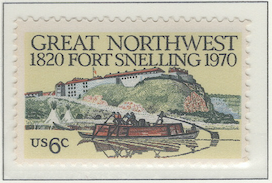
Great Northwest |
6c (oct 1970) |
||
✓ |
1405 |
6c (aug 1970) |
|||
✓ |
1421 |
6c (nov 1970) |
|||
✓ |
1422 |
6c (nov 1970) |
|||
✓ |
1420 |
6c (nov 1970) |
|||
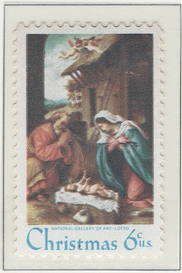
✓ |
1414 |
Nativity |
6c (nov 1970) |
Footnotes
Spot refers to the postion of the stamp on the album page (e.g., 3.2 indicates row 3, position 2).
Amt. is an abbreviation for the face amount of the stamp.
Own indicates the stamp status: ✓ for unused; ✗ for used or canceled; ⭑ signifies I ordered one; ; ✨ indicates it was bought recently; ✠ means an auction bid is pending; and ◎ is used, and it costs too much for unused.
To search by catalog number, go to the search box and enter it in the catalog number box. However, it’s a bit broken; I need to fix it.











