New Economic Order
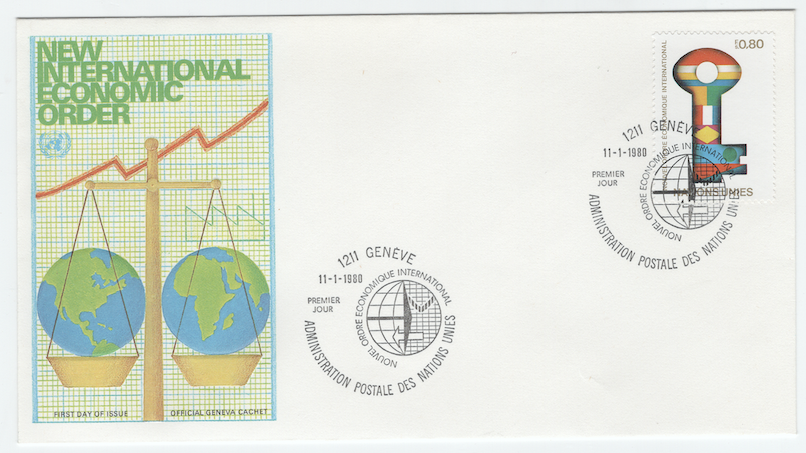
After World War II, colonialism began to dissipate; the arrangement of Western and Northern countries militarily and political controling weaker and poorer, undeveloped countries – primarily in the Southern Hemisphere – ended. However, although the colonial powers no longer owned the developing countries, they still economically dominated them.
For instance, in many developing countries, key property and resources were legally owned by companies of the former colonial powers. They owned the factories, the plantations, the mines, the oil fields, and other assets of these poorer countries. They employed the people that ran the operations and had the contracts to export the resources and other commodities they produced. The countries could have seized these assets, but that was illegal according to international laws, and to do so would cause problems for the smaller country with their relations with other countries. Plus, they didn’t have the expertise to manage these enterprises, nor the foreign customers to buy their products.
The 1970s was a very productive time for the United Nations. They had grown significantly in membership and were successful in passing many resolutions and implementing them – primarily related to human rights. While they were on a roll, the G77 – a group of seventy-seven developing countries – seized the opportunity and pushed for the passing of a resolution in 1974 calling for a New Internation Economic Order (known as the NIEO) in which former colonies are freed from the economic mastery of their former colonial masters, allowing them the freedom to control and benefit fully from their resources. While they were at it, they also called for transnational companies to be held accountable for political abuses in developing nations.
In essence, they made a leap from human rights to nation rights. They sought to take power, revenues, assets located within their borders, away from the powerful countries of the world and to punish abusers. They dreamed too big and stepped into the domain of the power brokers of the world.
The G77 and the Soviet member states were for it – the Soviets liked anything that weakened Western power. However, the U.S. didn’t vote in favor of the NIEO resolution. Instead, they said they agreed with the concepts and suggested having discussions, having committees review each separate component to see if they could make adjustments suited for everyone. The result was they prolonged the process and postponed any action for years. Meanwhile, the Soviet Union fell in 1991, and global finance shifted: the World Trade Organization was formed in 1995 and developed regulations for international trade. At the same time, the International Monitary Fund began providing financial assistance to many developing countries, contingent on their compliance with WTO treaties.
The result has been that the developing countries were distracted, wooed, and divided to the point that there was no unified support left for the NIEO agreement and the U.S. and a few other rich nations have continued their economic dominance of their former colonies and other smaller countries for another fifty years now.
Note
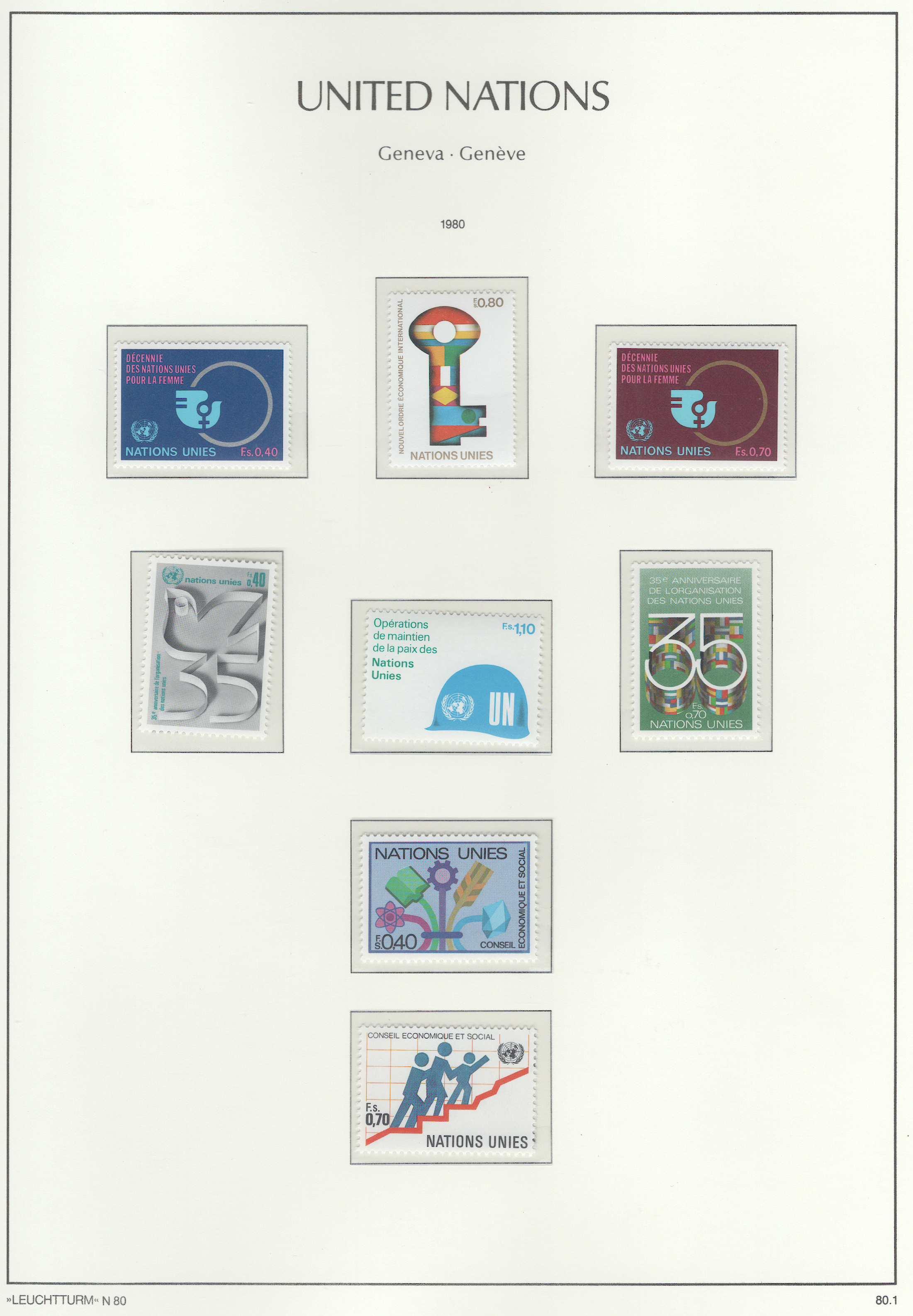
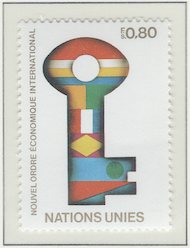
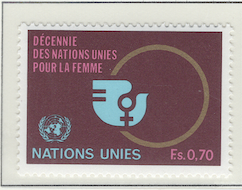
The stamp in the middle of the first row on this album page commemorates the New International Economic Order. Researching information for writing the text on this page has taken longer than any other page on this site. It required reading many documents, studying several web sites, and watching videos of at least ten professors and diplomats to understand the history of NIEO, what were the reasons for it and the objections it faced, and how it was hobbled so that no action was taken. I feel as though I stumbled into a major family secret.
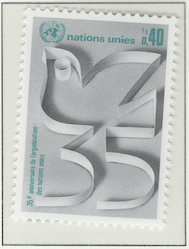
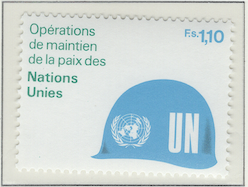
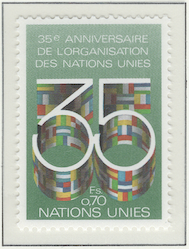
The two outer stamps on the second row are for the thirty-fifth anniversary of the U.N. See the next page for more information on that and a souvenir sheet containing the same stamps. The stamp in the middle of the second row, the one depicting a blue helmet is meant to bring attention to U.N. Peacekeeping operations. See the Peace Keeping page.
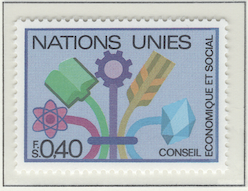
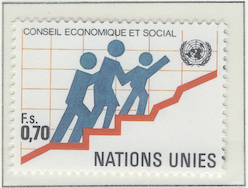
The last two stamps, the ones on the third and fourth rows, are related to the U.N. Social & Economical Council. See the Economic & Social page for more information on that.
Contains 8 spots: own 8 – 8 unused, 0 used.
Page is finished.
Album or Web Page Last changed Jun 19, 2025
Stamp Details
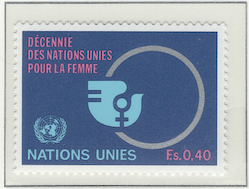
The table below lists information about the stamps shown on this page of Lighthouse’s stamp album. For more details about a particular stamp, click on its description. That will take you to the related web page of Colnect.
spot |
own |
catalog |
subject |
description |
comment |
|---|---|---|---|---|---|
✓ |
90 |
0.40 (mar 1980) |
|||
✓ |
89 |
0.80 (jan 1980) |
|||
✓ |
91 |
0.70 (mar 1980) |
|||
✓ |
93 |
0.40 (jun 1980) |
|||
✓ |
92 |
1.10 (may 1980) |
|||
✓ |
94 |
0.70 (jun 1980) |
|||
✓ |
96 |
0.40 (nov 1980) |
|||
✓ |
97 |
0.70 (nov 1980) |
Footnotes
Spot refers to the postion of the stamp on the album page (e.g., 3.2 indicates row 3, position 2).
Amt. is an abbreviation for the face amount of the stamp.
Own indicates the stamp status: ✓ for unused; ✗ for used or canceled; ⭑ signifies I ordered one; ; ✨ indicates it was bought recently; ✠ means an auction bid is pending; and ◎ is used, and it costs too much for unused.
To search by catalog number, go to the search box and enter it in the catalog number box. However, it’s a bit broken; I need to fix it.








