Native Headdress
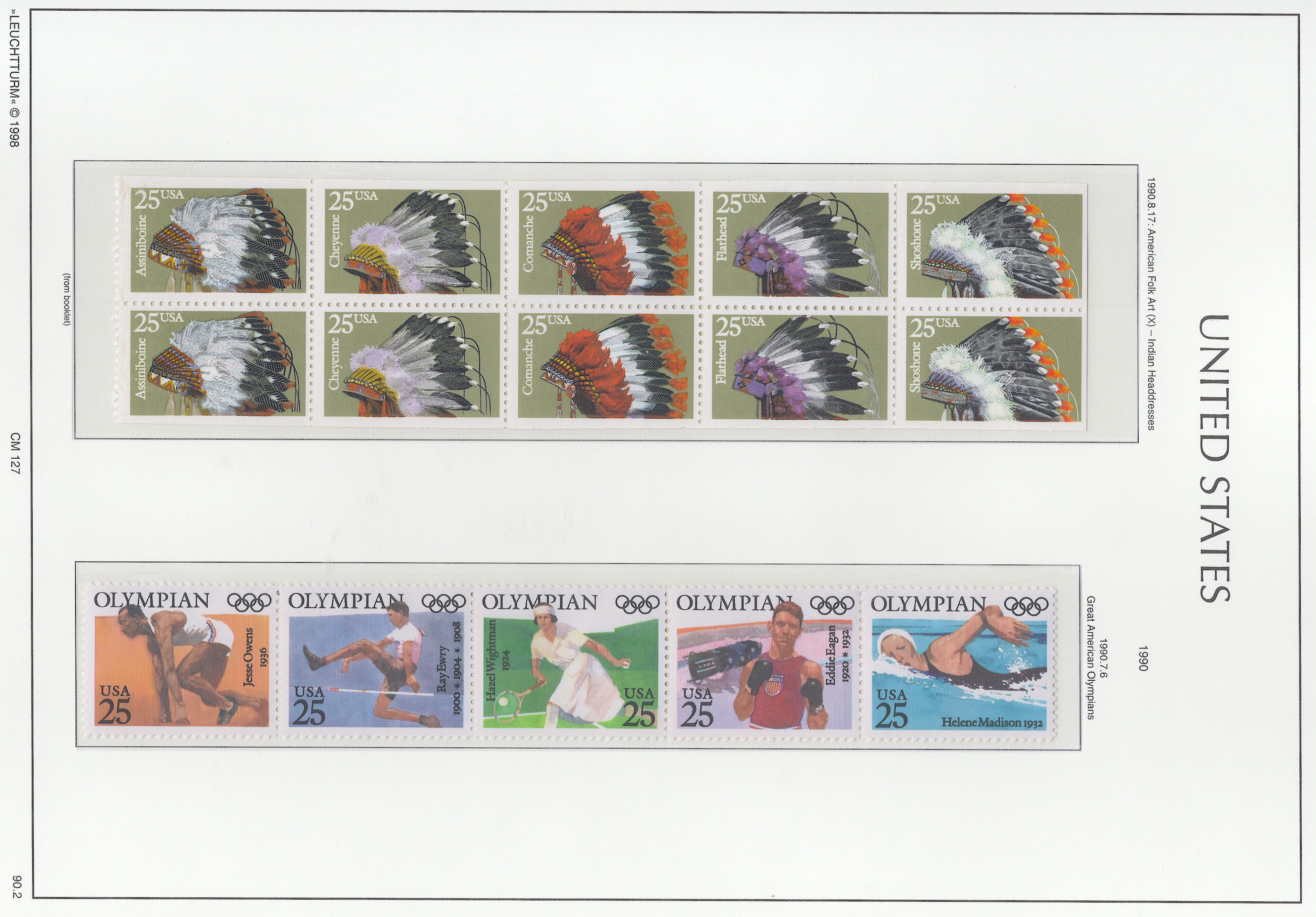
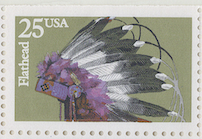
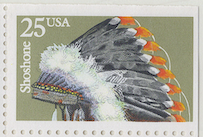
The headddresses are those of chiefs or other high ranking members of the peoples named. They’re beautiful works of ceremonial art. Most of these Native American people I recongnize from my childhood watching many television westerns, which poorly portrayed them.
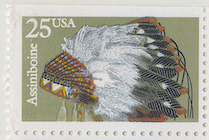
Assiniboin or Hohe people are originally from the northern part of the Great Plains, in what is now Minnesota, northwest Michigan, North Dakota and Montana, and in the Canadian provinces of Alberta, Manitoba, and now mostly in Saskatchewan. They’re a semi-nomadic people, following the movements of Buffalo, which they hunted for food and furs.
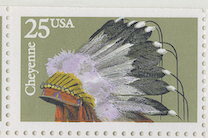
Cheyenne are another people from the Great Plains. The originally lived near the Great Lakes, where is now Minnesota and Michigan. The Assiniboin drove them out of the area, pushing them into Montana. They’re known for farming, and wild rice, as well as occasionally hunting buffalo and other animals.
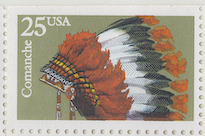
Comanche come the southern parts of the Great Plains. The lived in northern Texas to southeastern Colorado. Today they’re headquartered in Lawton, Oklahoma – where I did my Army training, at Fort Sill. I saw the grave stone of Geronimo, a famous Apache leader. The Comanche drove out the Apache from this area long ago.
Shoshone are from the western part of the Great Basin, putting them mostly on the western side of the Rocky Mountains, in California and Oregon – but some crossed over to the eastern side. Their name loosely means, Grass House People, since that’s the kind of homes they lived in. They were one of the first natives to use horses and rifles. This is why in movies the Shoshone are feared by Europeans passing through the area. It’s easy to be brave when you have guns and others don’t.
Salish, also known as the Flatheads, lived originally along the Rocky Mountains towards the north. The Shoshone gave them horses. This led to a better life for the Salish. With horse, they were more easily able to hunt buffalo. This meant better constructed, warmer home, as well as better quality clothing and bags for transporting possessions.
Note
The image of this album page is posted horizontally so that you can see the stamps right side up. If you click on the image, it will enlarge. Incidentally, this site is best viewed on desktop computer, or a laptop or tablet.
Contains 10 spots: own 10 – 10 unused, 0 used.
Page is finished.
Album or Web Page Last changed Jul 24, 2025
Stamp Details
The table below lists information about the stamps shown on this page of Lighthouse’s stamp album. For more details about a particular stamp, click on its description. That will take you to the related web page of Colnect.
spot |
own |
catalog |
subject |
description |
comment |
Native American Art
✓ |
2501 |
25c (aug 1990) |
|||
✓ |
2502 |
25c (aug 1990) |
|||
✓ |
2503 |
25c (aug 1990) |
|||
✓ |
2504 |
25c (aug 1990) |
|||
✓ |
2505 |
25c (aug 1990) |
Olympians & Other Athletes
✓ |
2496 |
25c (jul 1990) |
|||
✓ |
2497 |
25c (jul 1990) |
|||
✓ |
2498 |
25c (jul 1990) |
|||
✓ |
2499 |
25c (jul 1990) |
|||
✓ |
2500 |
25c (jul 1990) |
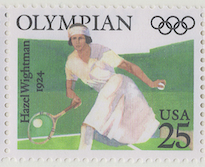
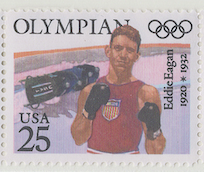
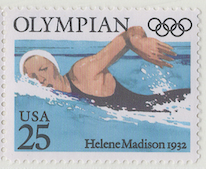
Footnotes
Spot refers to the postion of the stamp on the album page (e.g., 3.2 indicates row 3, position 2).
Amt. is an abbreviation for the face amount of the stamp.
Own indicates the stamp status: ✓ for unused; ✗ for used or canceled; ⭑ signifies I ordered one; ; ✨ indicates it was bought recently; ✠ means an auction bid is pending; and ◎ is used, and it costs too much for unused.
To search by catalog number, go to the search box and enter it in the catalog number box. However, it’s a bit broken; I need to fix it.









