Giuseppe Garibaldi
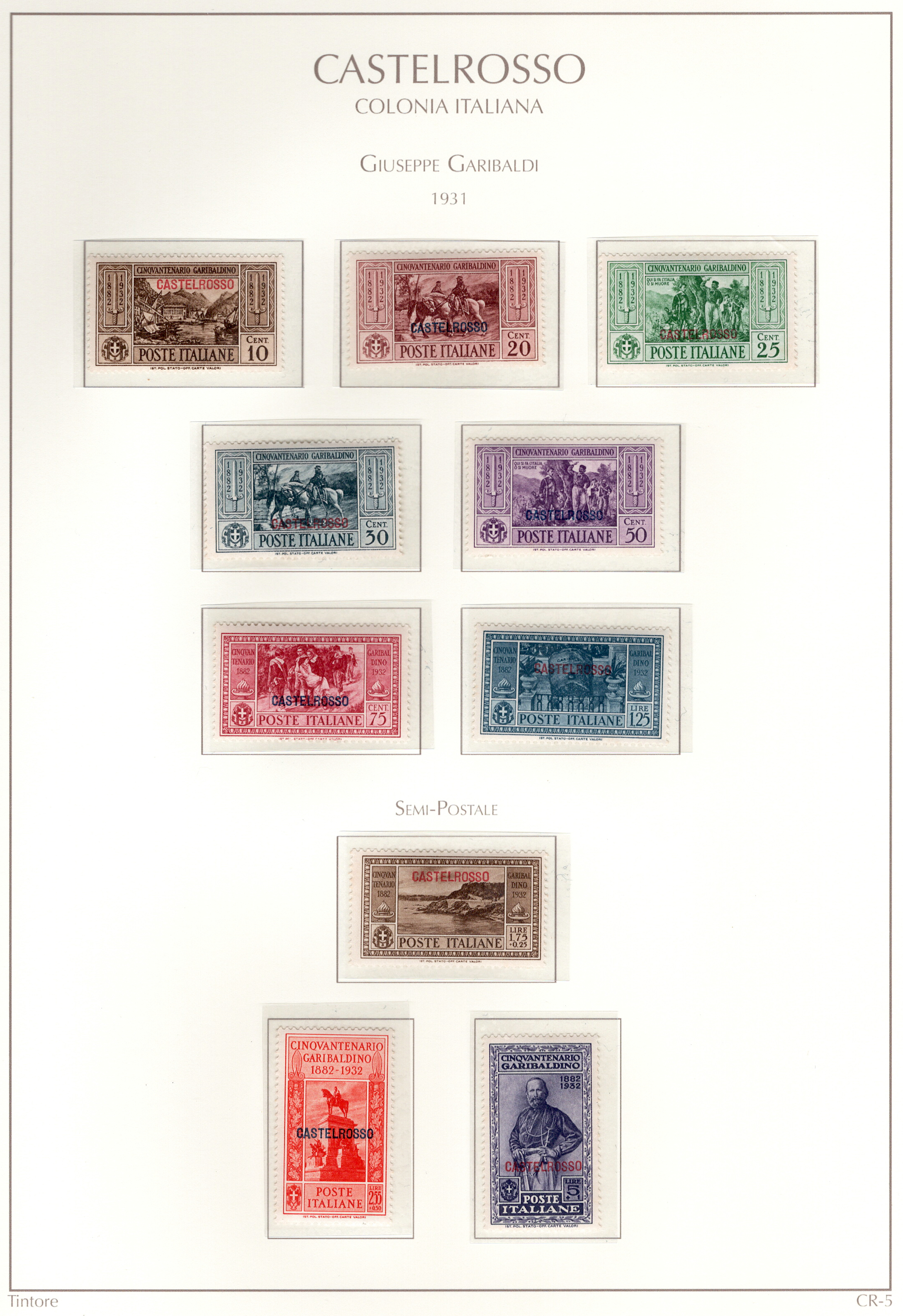
The hero of the wars that led to the unification of Italy was Giuseppe Garibaldi. In every city of substance in Italy, you’ll probably find a statue of him – maybe more than one, or a statue, a plaque, and a bust of him – as well as a street or other landmark named after him; perhaps a school even. In fact, there’s a statue of him in Washington Square in New York. He lived in NY for four years.
Garibaldi was the commander of the troops that started from Piemonte (i.e., Piedmont), sailed to Sicily and began conquering the many duchies, republics, city states and so forth until he had conquered all of them. When he was finished, he had created the nation of Italy and gave it to Vittorio Emanuele II for him to be its monarch.
If it wasn’t for Giuseppe Garibaldi, there would be no Italy – at least not the country as we now know it. Before him, it was just a peninsula and a large region composed of several countries, much like Scandanavia. There were similarities between the languages, but they were separate and distinct languages, not dialects of Italian as people in Italy like to say. A dialect is basically a deviation from a mother language. Instead, some time after the unification of Italy by Garibaldi in the 1860s, the Tuscan language was selected as the official language of Italy. It was afterall the language in which wrote many great literary writers (e.g., Dante, Plutarch, Manzoni).
Note
Although this is complete and full, I may redesign the page and put them together with the ones on the previous page, the Francesco Ferrucci page – like I did with the Dodecanese pages in the next sub-album. You can see a sample of this on the first one, the Calimno page.
Contains 10 spots: own 10 – 10 unused, 0 used.
Page is finished.
Album or Web Page Last changed Dec 2, 2024
Stamp Details
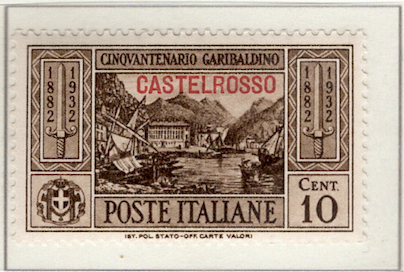
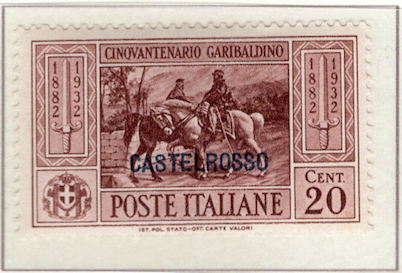
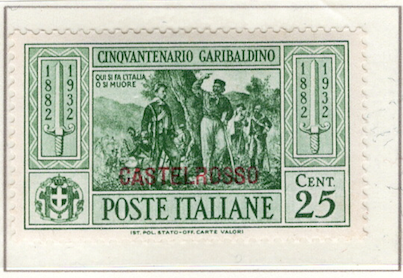
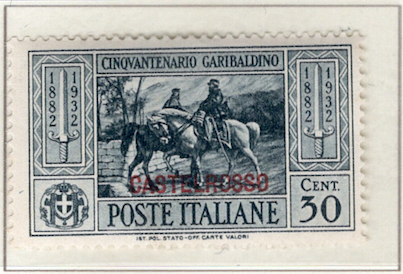
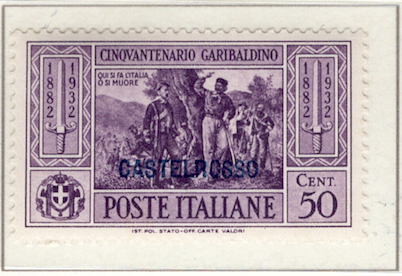
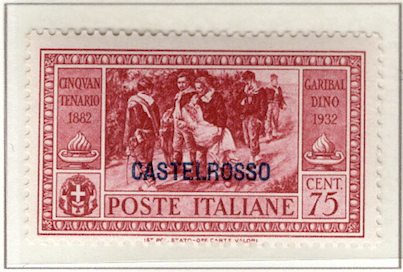
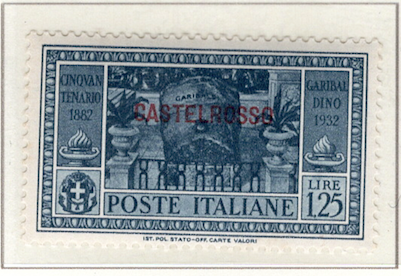
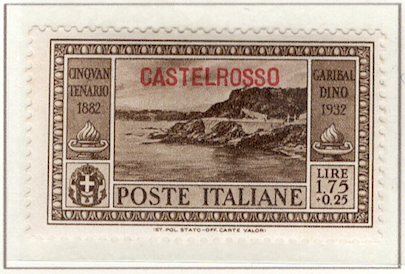
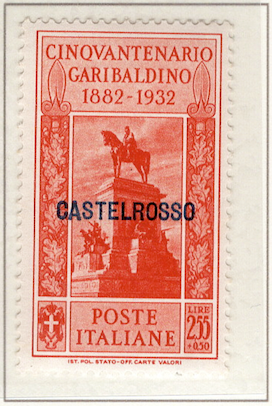
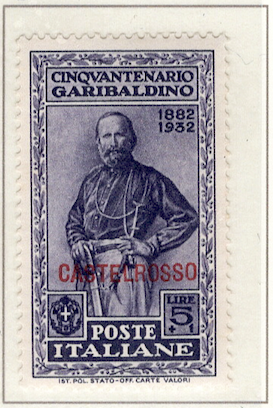
The table below lists information about the stamps shown on this page of Lighthouse’s stamp album. For more details about a particular stamp, click on its description. That will take you to the related web page of Colnect.
spot |
own |
catalog |
subject |
description |
comment |
Giuseppe Garibaldi
✓ |
30 |
Garibaldi’s Birthplace |
10c (aug 1932) |
||
✓ |
31 |
20c (aug 1932) |
|||
✓ |
32 |
Garibaldi & Nino Bixio |
25c (aug 1932) |
||
✓ |
33 |
Garibaldi & Vittorio II |
30c (aug 1932) |
||
✓ |
34 |
Garibaldi & Nino Bixio |
50c (aug 1932) |
||
✓ |
30 |
75c (aug 1932) |
|||
✓ |
31 |
Garibaldi’s Tomb |
1.25₤ (aug 1932) |
Garibaldi - Semi-Postal
✓ |
32 |
1.75₤+25c (aug 1932) |
|||
✓ |
33 |
Garibaldi Monument |
2.55₤+50c (aug 1932) |
||
✓ |
34 |
Garibaldi’s Birthplace |
5+1₤ (aug 1932) |
Footnotes
Spot refers to the postion of the stamp on the album page (e.g., 3.2 indicates row 3, position 2).
Amt. is an abbreviation for the face amount of the stamp.
Own indicates the stamp status: ✓ for unused; ✗ for used or canceled; ⭑ signifies I ordered one; ; ✨ indicates it was bought recently; ✠ means an auction bid is pending; and ◎ is used, and it costs too much for unused.
To search by catalog number, go to the search box and enter it in the catalog number box. However, it’s a bit broken; I need to fix it.









