Venezia-Giulia
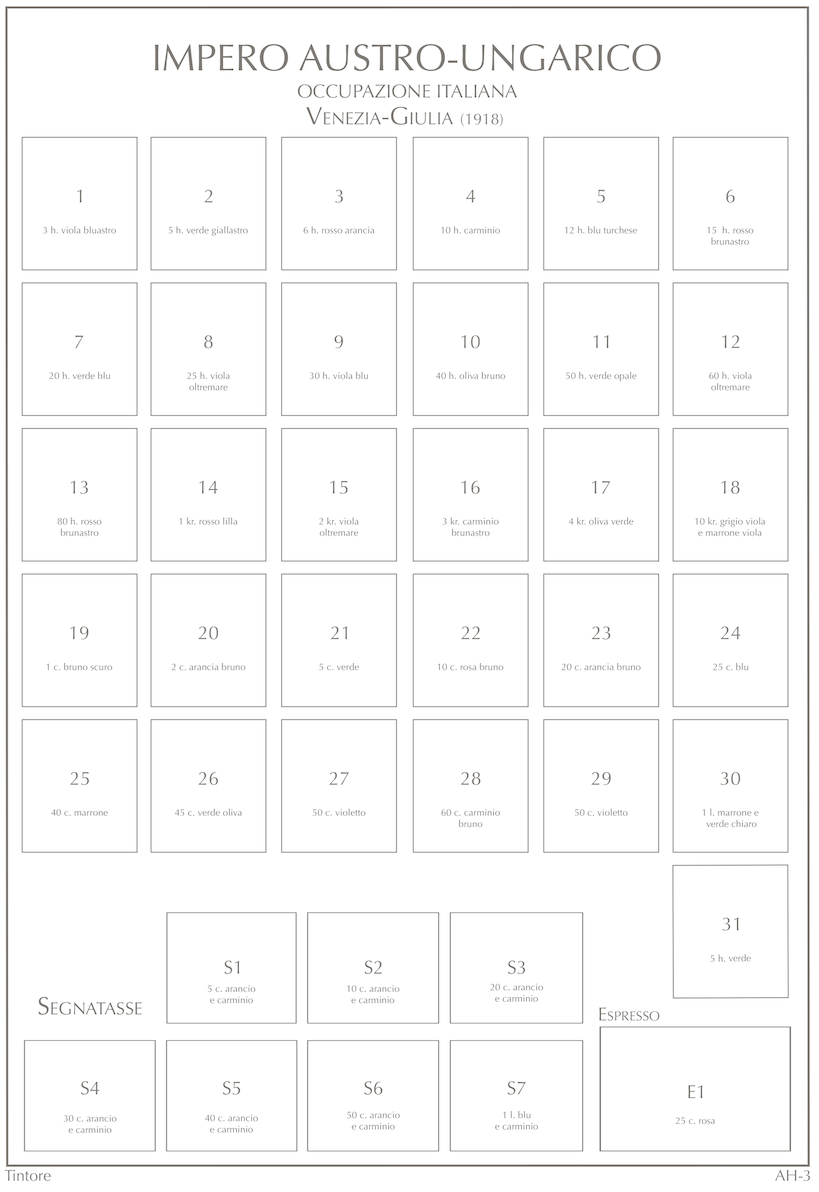
Venezia Giulia (the Julian March in English) is a name coined in 1863 by the linguist Graziadio Isaia Ascoli, who was born in Gorizia. Until 1918 most of the area was the Austrian Littoral, which was made up of Gorizia and Gradisca, Trieste and Istria. Italy had been promised it in the secret Treaty of London of 1915, in exchange for joining the Allies in World War I.
Italy annexed the region after the war under the Treaty of London and the Treaty of Rapallo of 1920. It took most of the Austrian Littoral, part of Carniola and a few towns that had been Carinthian, though the annexed land included many Slovene and Croat areas. Fiume (Rijeka) became a free state at Rapallo, but the Treaty of Rome in 1924 abolished it and split it between Italy and the Kingdom of Serbs, Croats and Slovenes. The new provinces were Gorizia, Trieste, Pola and Fiume.
Under Fascist rule the minorities were forcibly Italianized, and about 105,000 Slovenes and Croats left the region. Basically, the Italian Julian March lasted until the Paris treaty of 1947, when most of it went to Yugoslavia, and Trieste went to Italy in 1954 after several years as a Free Territory.
Note
There are plenty of stamps meant to be mounted on this page, perhaps too many. When I get them, I may separate them into two pages. For now, the one blank page is enough to irritate me. I do hate blank pages in my collection.
Contains 39 spots: own 0 – 0 unused, 0 used.
Stamp Details
The table below lists information about the stamps shown on this page of Lighthouse’s stamp album. For more details about a particular stamp, click on its description. That will take you to the related web page of Colnect.
spot |
own |
catalog |
subject |
description |
comment |
|---|---|---|---|---|---|
1 |
3h (nov 1918) |
||||
2 |
5h (nov 1918) |
||||
3 |
6h (nov 1918) |
||||
4 |
10h (nov 1918) |
||||
5 |
12h (nov 1918) |
||||
6 |
15h (nov 1918) |
||||
7 |
20h (nov 1918) |
||||
8 |
25h (nov 1918) |
||||
9 |
30h (nov 1918) |
||||
10 |
40h (nov 1918) |
||||
11 |
50h (nov 1918) |
||||
12 |
60h (nov 1918) |
||||
13 |
80h (nov 1918) |
||||
14 |
1kr (nov 1918) |
||||
15 |
2kr (nov 1918) |
||||
16 |
3kr (nov 1918) |
||||
17 |
4kr (nov 1918) |
||||
18 |
10kr (nov 1918) |
||||
19 |
1c (jan 1919) |
||||
20 |
2c (jan 1919) |
||||
21 |
5c (dec 1918) |
||||
22 |
10c (dec 1918) |
||||
23 |
20c (dec 1918) |
||||
24 |
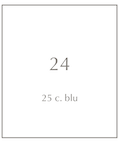
25c (dec 1918) |
||||
25 |
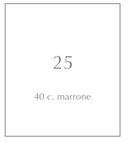
40c (dec 1918) |
||||
26 |
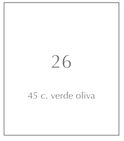
45c (dec 1918) |
||||
27 |
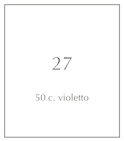
50c (dec 1918) |
||||
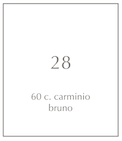
28 |
60c (dec 1918) |
||||
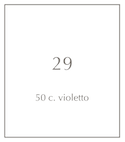
29 |
1₤ (dec 1918) |
||||
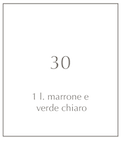
30 |
5h (feb 1919) |
||||
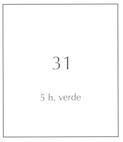
31 |
20h (feb 1919) |
||||
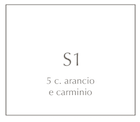
S1 |
5c (dec 1918) |
||||
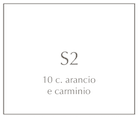
S2 |
10c (dec 1918) |
||||
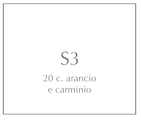
S3 |
20c (dec 1918) |
||||
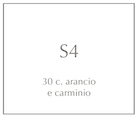
S4 |
30c (dec 1918) |
||||
S5 |
40c (dec 1918) |
||||
S6 |
50c (dec 1918) |
||||
S7 |
1₤ (dec 1918) |
||||
E1 |
25c (jan 1919) |
Footnotes
Spot refers to the postion of the stamp on the album page (e.g., 3.2 indicates row 3, position 2).
Amt. is an abbreviation for the face amount of the stamp.
Own indicates the stamp status: ✓ for unused; ✗ for used or canceled; ⭑ signifies I ordered one; ; ✨ indicates it was bought recently; ✠ means an auction bid is pending; and ◎ is used, and it costs too much for unused.
To search by catalog number, go to the search box and enter it in the catalog number box. However, it’s a bit broken; I need to fix it.






































