Colonial Institute
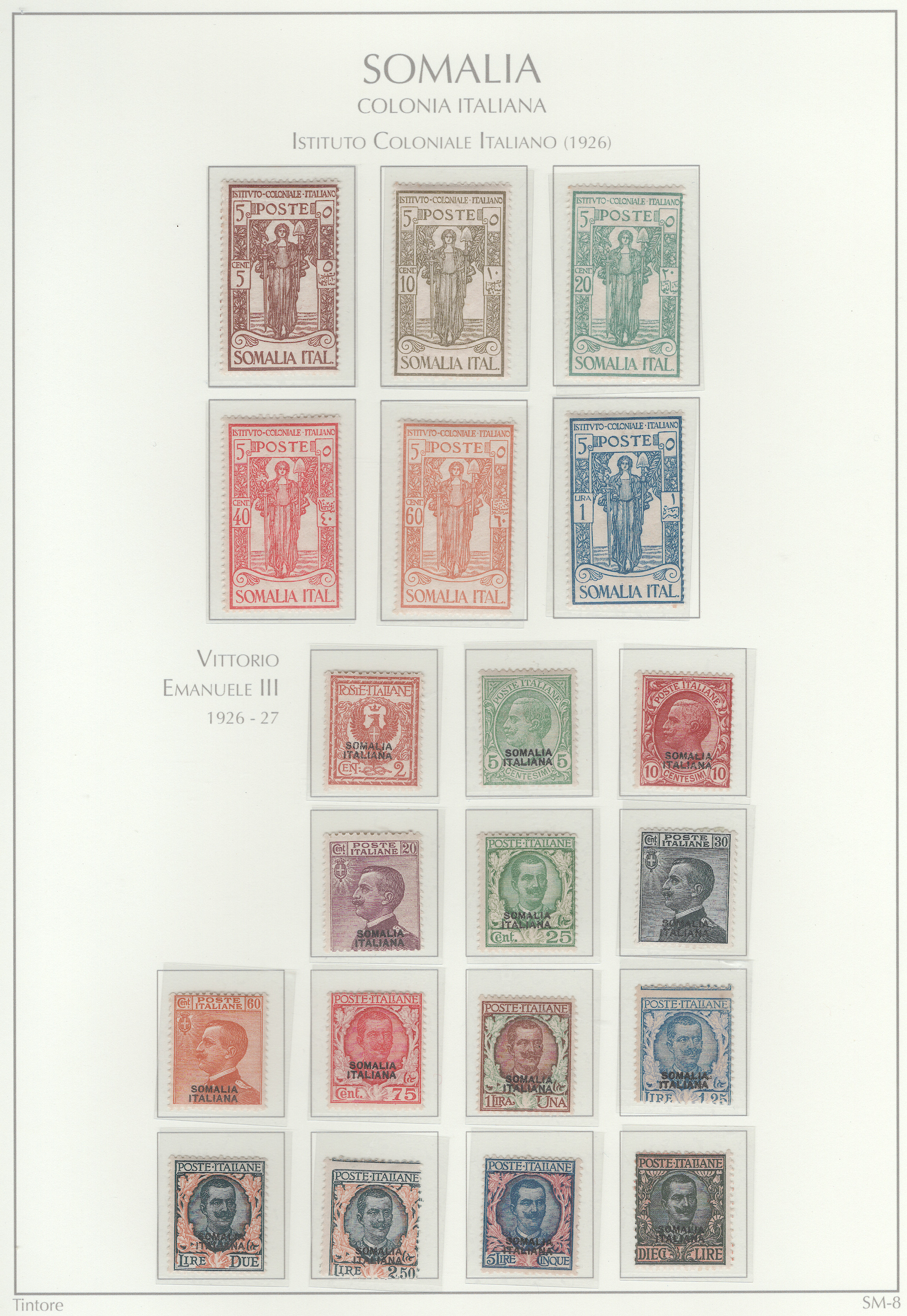
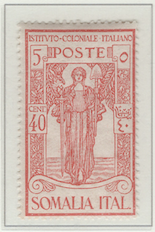
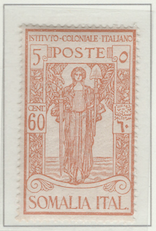
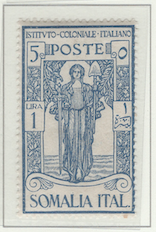
The Istituto Coloniale Italiano (Italian Colonial Institute) was an organization that worked on informing the Italian public about the colonies. It was meant to provide news and to encourage Italians to migrate to them. It was founded in 1908 in Rome by a group of politicians, diplomats, professors, and explorers of the time who had an interest in Africa and the expansion of Italy.
In the late 1920s, the Institute became part of the Fascists agenda to build an Italian empire. They changed their name first to the Fascist Colonial Institute, and in the late 1930s to the Fascist Institute of Italian Africa. After the second world war and the loss of the colonies, the Institute changed its agenda to focus on the rights of Italians living and working in the former colonies. It went through a couple more name changes and more reorganization over the decades that followed, but it continues today as the Italian-African Institute.
Note
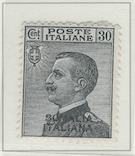
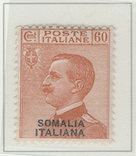
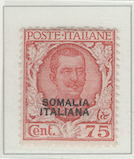
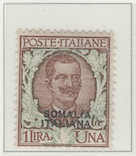
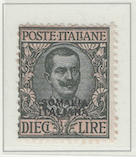
I bought the definitive stamps of the king at an auction. Normally, I would buy a batch of stamps like this separately, one to three in a set – taking months to find the all. Fortu nately, I found them all together in one lot at an auction and for a reasonable price. No one else bid on them, so I got them for less than I expected. It’s quite a hunt to find some stamps. You have to check dealer web sites, go to their stores and find them at stamp shows. Sometimes you get them at auctions, perhaps being sold by the heirs of a deceased collectors. We’re just caretakers, curators of stamps – also protectors of them for the next generation.
Contains 20 spots: own 20 – 20 unused, 0 used.
Page is finished.
Album or Web Page Last changed Feb 5, 2025
Stamp Details
The table below lists information about the stamps shown on this page of Lighthouse’s stamp album. For more details about a particular stamp, click on its description. That will take you to the related web page of Colnect.
spot |
own |
catalog |
subject |
description |
comment |
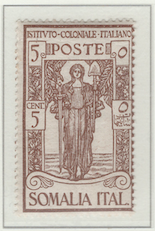
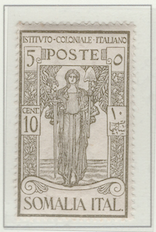
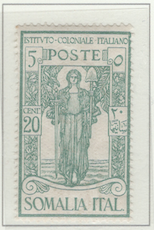
Pro Italian Colonial Institute
✓ |
86 |
5+5c (jun 1926) |
|||
✓ |
87 |
10+5c (jun 1926) |
|||
✓ |
88 |
20+5c (jun 1926) |
|||
✓ |
89 |
40+5c (jun 1926) |
|||
✓ |
90 |
60+5c (jun 1926) |
|||
✓ |
91 |
1₤+5c (jun 1926) |
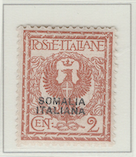
Savoy Emblem
✓ |
92 |
2c (feb 1927) |
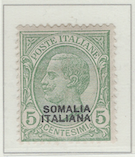
Leoni Design
✓ |
93 |
5c (feb 1927) |
|||
✓ |
94 |
10c (feb 1927) |
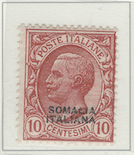
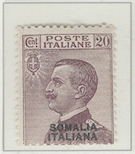
Michetti Design
✓ |
95 |
20c (feb 1927) |
|||
✓ |
96A |
30c (sep 1930) |
|||
✓ |
97 |
60c (feb 1927) |
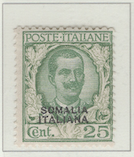
Cellini Design
✓ |
96 |
25c (feb 1927) |
|||
✓ |
98 |
75c (jul 1926) |
|||
✓ |
99 |
1₤ (feb 1927) |
|||
✓ |
100 |
1.25₤ (jul 1926) |
|||
✓ |
101 |
2₤ (jul 1926) |
|||
✓ |
102 |
2.5₤ (jul 1926) |
|||
✓ |
103 |
5₤ (jul 1926) |
|||
✓ |
104 |
10₤ (jul 1926) |
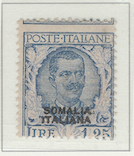
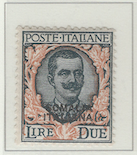
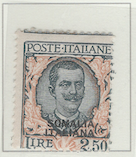
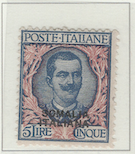
Footnotes
Spot refers to the postion of the stamp on the album page (e.g., 3.2 indicates row 3, position 2).
Amt. is an abbreviation for the face amount of the stamp.
Own indicates the stamp status: ✓ for unused; ✗ for used or canceled; ⭑ signifies I ordered one; ; ✨ indicates it was bought recently; ✠ means an auction bid is pending; and ◎ is used, and it costs too much for unused.
To search by catalog number, go to the search box and enter it in the catalog number box. However, it’s a bit broken; I need to fix it.



















