Euro
The euro is the official currency of 21 of the 27 member states of the European Union, with Bulgaria the most recent to join on January 1, 2026. The name was officially adopted in Madrid on December 16, 1995, and the currency started as an accounting currency on January 1, 1999, replacing the European Currency Unit at a ratio of 1:1. Physical notes and coins followed on January 1, 2002, and by the end of February that year the old national currencies were gone. The legal basis for all of this is the Maastricht Treaty, which required countries to meet convergence criteria, e.g., a budget deficit under 3% of GDP, a debt ratio under 60% and low inflation. The European Central Bank runs monetary policy for the eurozone. The banknotes share one design by Robert Kalina with windows and gateways on the front and bridges on the back. The coins are a bit different, as each has a common side by Luc Luycx and a national side chosen by the issuing country, which is the part that interests a collector.
Italy was one of the original eleven countries, but getting in was a hard slog. The lira was forced out of the European exchange rate mechanism in September 1992 and only returned in November 1996, at about 990 lire to the German mark. The Prodi government then pushed through severe austerity, including a one-time “Eurotax,” and by 1998 the deficit was down to 2.7% of GDP. However, public debt stayed around 120% of GDP, far above the 60% reference value. On May 2, 1998, the EU Council decided to include Italy anyway. On December 31, 1998, the Italian lira was locked at 1,936.27 lire per euro. From 1999 to 2002 it was officially a subunit of the euro, though you could only pay with lira notes and coins. The lira stopped being legal tender after December 31, 2001, which ended more than 140 years of use. Italy’s mint and printing works, the Istituto Poligrafico e Zecca dello Stato (the State Printing Works and Mint), makes euro coins, and Italy also negotiated the monetary agreements, on behalf of the EU, that gave San Marino and Vatican City their own euro coins. Italy rounds cash payments to the nearest five cents by law, and it stopped producing 1 and 2 cent coins in 2017.
The euro has been tested in Italy more than once. During the euro area crisis that began around 2009, Italy was significantly affected, though it did not use EU rescue funds and was a major donor to the European Financial Stability Facility instead. An Italian, Mario Draghi, was Governor of the Banca d’Italia from 2006 to 2011, then president of the ECB from November 1, 2011 to October 31, 2019. He is best known for saying he would do “whatever it takes” to keep the euro from failing. Support at home remains solid, as the Spring 2026 Eurobarometer found 78% of Italians in favor of the euro and 19% against, compared with 74% and 22% across the whole EU. The weak spot is debt. Italy’s budget plan expects public debt to peak at 138.6% of GDP in 2026, which would make it the most indebted country in the eurozone for the first time, ahead of Greece, and Eurostat data released on October 21, 2026 showed it rising again in the second quarter.
Note
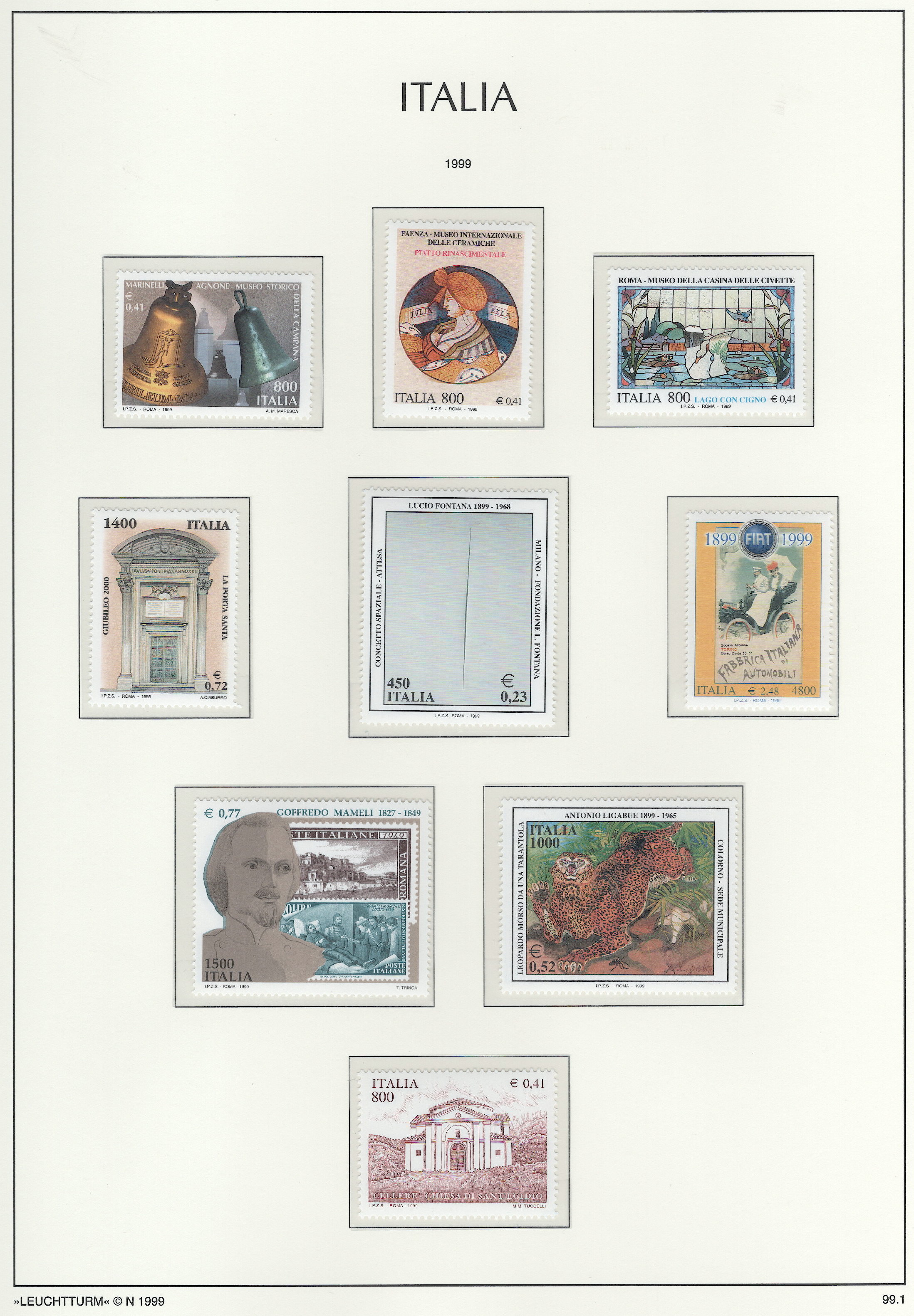
I’ve designated this sub-album as being from the era when use of the euro currency started. Although it basically took effect on January 1, 1999, the post office continued to issue stamps in lira denominations, as you can see here. It would not be until January 2002, three years later that stamps would be sold with euro denominations. The Regina Elena album page has the first stamps in centesimi, euro cents.
Contains 9 spots: own 9 – 9 unused, 0 used.
Page is finished.
Album or Web Page Last changed Sep 5, 2023
Stamp Details
The table below lists information about the stamps shown on this page of Lighthouse’s stamp album. For more details about a particular stamp, click on its description. That will take you to the related web page of Colnect.
spot |
own |
catalog |
subject |
description |
comment |
|---|---|---|---|---|---|
✓ |
2403 |
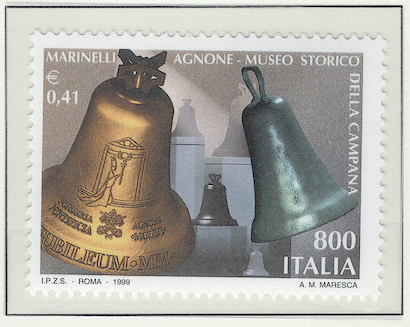
Marinelli Bell - Historical Museum Agnone |
800₤ (apr 1999) |
||
✓ |
2404 |
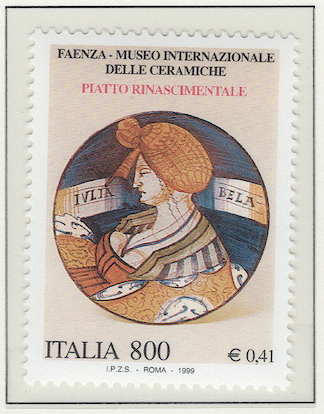
International Ceramics Museum - Faenza |
800₤ (apr 1999) |
||
✓ |
2405 |
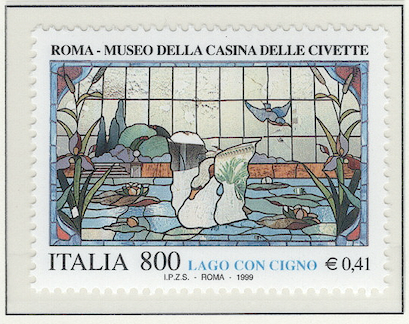
Lake with Swan - Stained Glass |
800₤ (apr 1999) |
||
✓ |
2401 |
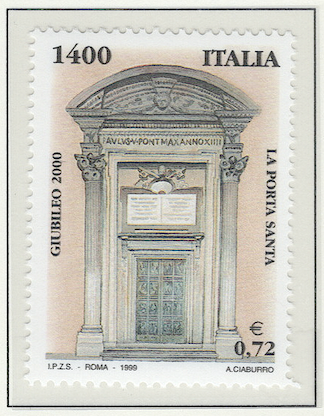
Holy Door - St Peter’s Cathedral. |
1400₤ (mar 1999) |
||
✓ |
2398 |
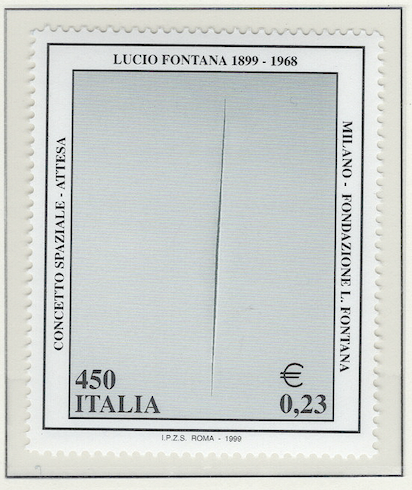
450₤ (feb 1999) |
|||
✓ |
2420 |
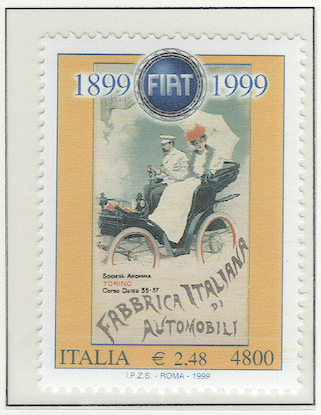
4800₤ (jul 1999) |
|||
✓ |
2431 |
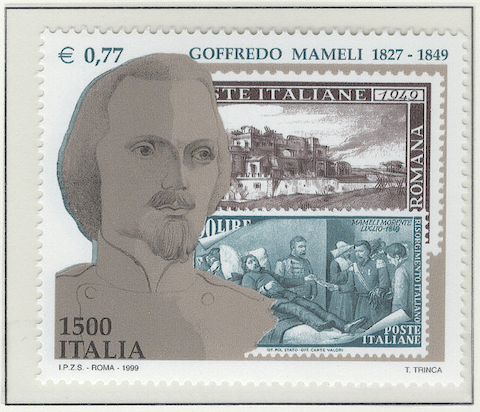
1500₤ (oct 1999) |
|||
✓ |
2443 |
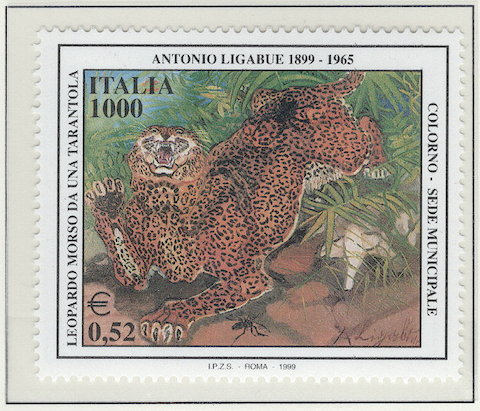
Centenary of Birth of Antonio Licabue (1899-1965) |
1000₤ (nov 1999) |
||
✓ |
2402 |
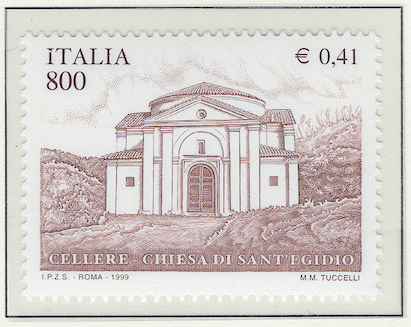
Church of St. Egidio - Cellere |
800₤ (apr 1999) |
Footnotes
Spot refers to the postion of the stamp on the album page (e.g., 3.2 indicates row 3, position 2).
Amt. is an abbreviation for the face amount of the stamp.
Own indicates the stamp status: ✓ for unused; ✗ for used or canceled; ⭑ signifies I ordered one; ; ✨ indicates it was bought recently; ✠ means an auction bid is pending; and ◎ is used, and it costs too much for unused.
To search by catalog number, go to the search box and enter it in the catalog number box. However, it’s a bit broken; I need to fix it.
remaining stamps & stories in sub-album
page |
story |
note |
used |
need |
ordered |
|---|---|---|---|---|---|
✓ |
|||||
✓ |
|||||
✓ |
|||||
✓ |
|||||
✓ |
|||||
✓ |
|||||
✓ |
|||||
✓ |
|||||
✓ |
|||||
✓ |
|||||
✓ |
|||||
✓ |
|||||
✓ |
|||||
✓ |
|||||
✓ |
|||||
✓ |
|||||
✓ |
|||||
✓ |
|||||
✓ |
|||||
✓ |
|||||
✓ |
|||||
✓ |
|||||
✓ |
|||||
✓ |
|||||
✓ |
|||||
✓ |
|||||
✓ |
|||||
✓ |
|||||
✓ |
|||||
✓ |
|||||
✓ |
|||||
✓ |
|||||
✓ |
|||||
✓ |
|||||
✓ |
|||||
✓ |
|||||
✓ |
|||||
✓ |
|||||
✓ |
|||||
✓ |
|||||
✓ |
|||||









- Constitutional Court
- St. Francis Assisi Basilica
- Giuseppe Parini & Priority
- Urbino & Pisa Universities
- Advent of 2000s
- Nature & City
- War & Peace
- Antonio Salieri
- Italian Design
- Camerino University
- Sports
- Cellini
- Breast Diseases
- Ferrari
- Opera
- Kingdoms & Grand Duchies
- Bari & Pavia
- Latin Union
- Salvatore Quasimodo
- Giuseppe Pellizza da Volpedo
- Regina Elena
- Giulio Mazzarino
- Vittorio Orlando
- Lynx
- Fashion
- Perugia Theater
- Alinari Brothers
- Poster Art
- Vittorio Alfieri
- Giotto
- Aldo Moro
- First Flights
- Futurismo
- 50 Years of TV
- European Vacation
- Rome - Bangkok
- Don Guanella
- Louis Braille
- Designer Shoes
- Trieste
- St. Ignatius of Laconi
- Trapani
- Leo Longanesi
- Popes John Paul II & Benedict XVI
- Joins U.N.
- Enrico Toti Sub-Marine
- Aircraft Carrier Cavour
- Winter Olympics - Torino
- Gelato
- Targa Florio
- Nilde Iotti
- San Marino
- Pope Gregory I
- Dino Buzzati
- Historical Sites
- Giosuè Carducci
- Trentino-Alto Adige
- Fiume
- Scouts
- Roman Speleology
- Italian Cinema
- Giuseppe Di Vittorio
- Vignola
- Olivetti
- Anna Magnani
- Andrea Palladio
- Valle d’Aosta
- Madonna in the Square
- Messina Earthquake
- Spaghetti Festival
- Primo Mazzolari
- Prevent Forest Fires
- Milan Art College
- Christian Roots
- Lancers of Montebello
- Italian Races
- Dante’s Lost Path
- Pavarotti
- Euro: Ten Years
- Bulgaria