Eagles Soar
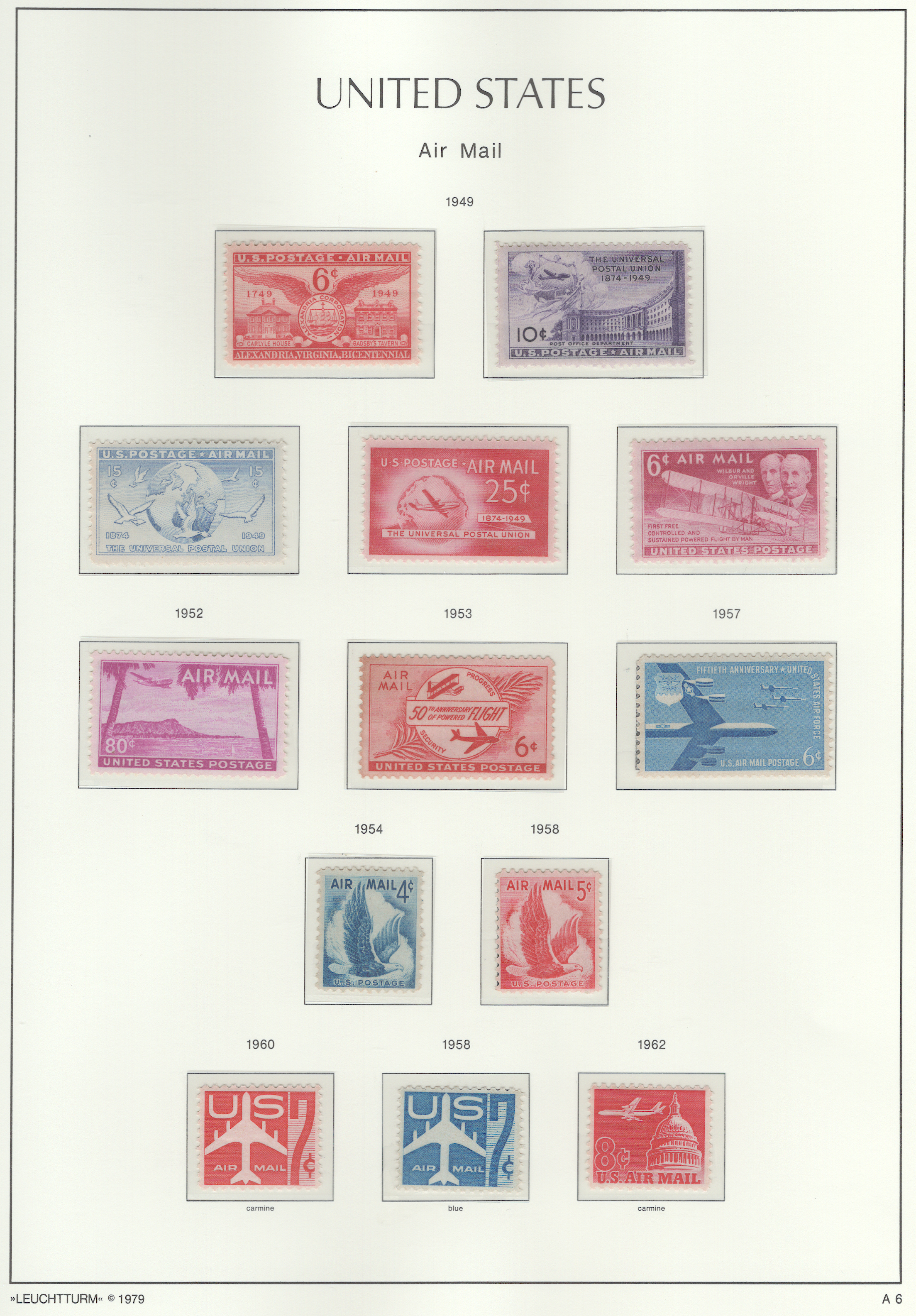
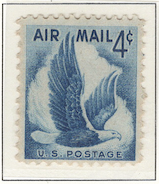
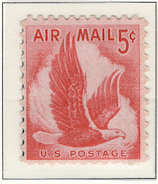
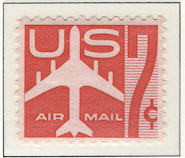
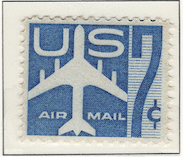
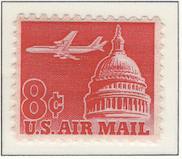
The two most used images for U.S. airmail stamps are pictures of airplanes and of eagles. For the airplane images, it’s usually a drawing of whatever type of plane that’s in use at the time for transporting mail or an amalgamation of them, or a silhouette of a current type of plane. For the eagle, it’s always the Bald Eagle (Haliaeetus leucocephalus). You can see examples of this in the two stamps on the second to last row of this album page.
Starting in June 1782, the Bald Eagle has been the national bird and primary symbol for the United States – for the seal of the President and many government agencies.
The eagle was first the symbol of the Society of the Cincinatti, an organization composed originally of officers who served in the Continental Army – Americans and French officers – and their decendents. Benjamin Franklin referred to them as an Order of Hereditary Knights, which he felt was contrary to Americanism. Around the same time they chose the eagle, the U.S. government did the same, perhaps influenced by Cincinatti members of which many were signers of the U.S. Constitution and high level officials in the U.S. government (e.g., Washington and Hamilton were the first presidents of the society).
Incidentally, Franklin critized the choice of an eagle as being a disagreeable bird. He said that it could have been worse, they could have drawn the eagle like that of the Cincinatti Society, which he thought looked like a turkey. This led to the misconception that he preferred a turkey for the national bird. He wanted neither.
Note
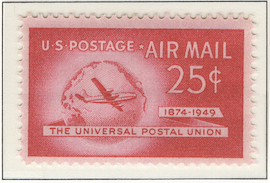
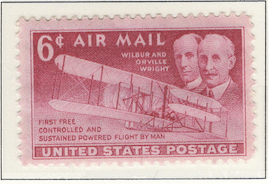
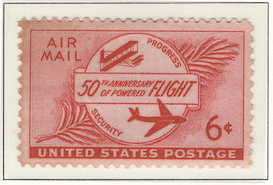
The two red stamps on the bottom row are very familiar to me. I remember people using them when I was a boy. I remember using them myself when I was a little less than ten years old, after we moved from New Orleans to the Boston area. I wrote letters to my greandmother and cousins. My mother would given me the red air mail stamps to affix to the envelops. I wrote stupid letters that I now might find interesting and embarrassing to read.
That’s the way it is with stamps for me. They often invoke memories of years gone by – the ones that predate me that I bought as a boy, or steamed off an envelop from my teacher, or the ones that I used to send letters.
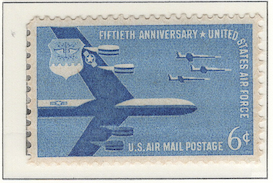
Contains 13 spots: own 13 – 13 unused, 0 used.
Page is finished.
Album or Web Page Last changed Apr 16, 2025
Stamp Details
The table below lists information about the stamps shown on this page of Lighthouse’s stamp album. For more details about a particular stamp, click on its description. That will take you to the related web page of Colnect.
spot |
own |
catalog |
subject |
description |
comment |
|---|---|---|---|---|---|
✓ |
C40 |
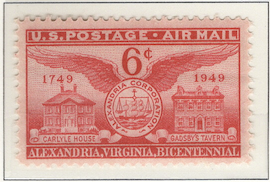
6c (may 1949) |
|||
✓ |
C42 |
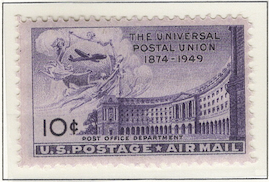
10c (nov 1949) |
|||
✓ |
C43 |
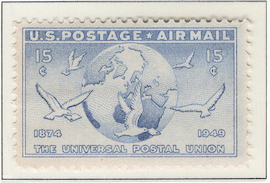
15c (oct 1949) |
|||
✓ |
C45 |
6c (dec 1949) |
|||
✓ |
C44 |
25c (nov 1949) |
|||
✓ |
C46 |
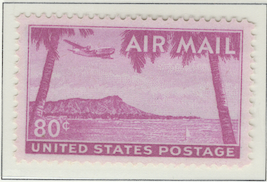
80c (mar 1952) |
|||
✓ |
C47 |
6c (may 1953) |
|||
✓ |
C49 |
6c (aug 1957) |
|||
✓ |
C48 |
4c (sep 1954) |
|||
✓ |
C50 |
5c (jul 1958) |
|||
✓ |
C61 |
7c (oct 1960) |
|||
✓ |
C52 |
7c (jul 1958) |
|||
✓ |
C64 |
8c (dec 1962) |
Footnotes
Spot refers to the postion of the stamp on the album page (e.g., 3.2 indicates row 3, position 2).
Amt. is an abbreviation for the face amount of the stamp.
Own indicates the stamp status: ✓ for unused; ✗ for used or canceled; ⭑ signifies I ordered one; ; ✨ indicates it was bought recently; ✠ means an auction bid is pending; and ◎ is used, and it costs too much for unused.
To search by catalog number, go to the search box and enter it in the catalog number box. However, it’s a bit broken; I need to fix it.












