Flags: Turkey & Viet Nam
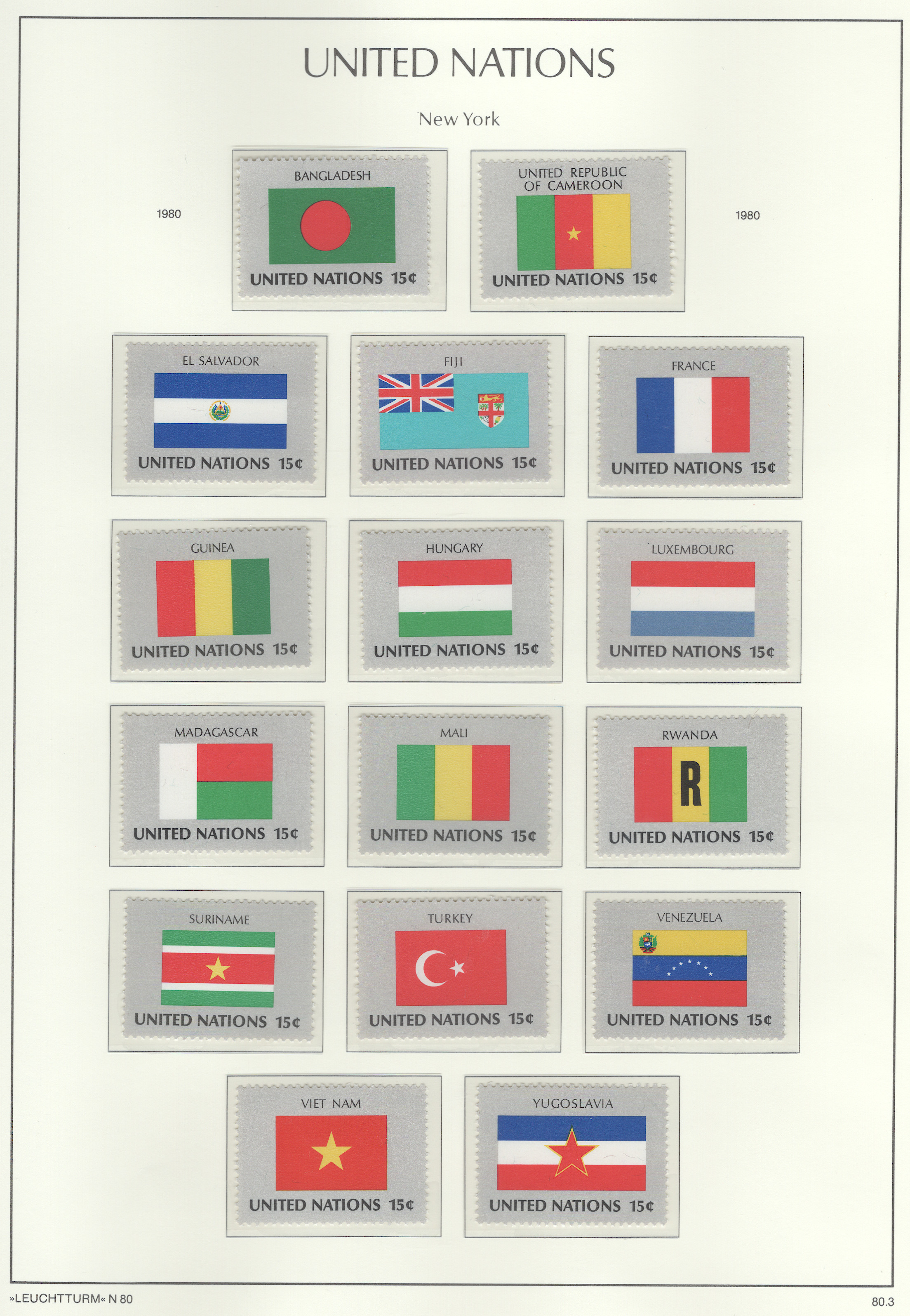
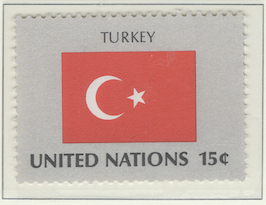
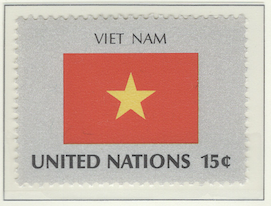
For designing a flag, the North American Vexillological Association recommends a booklet by Ted Kaye called, Good Flag, Bad Flag. Based on it’s criteria, Turkey and Viet Nam’s flags are very good. The following analysis uses Ted Kaye booklet for that assessment:
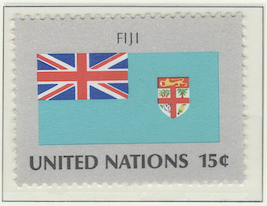
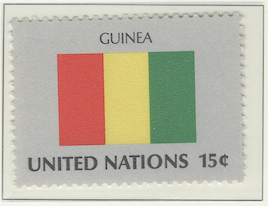
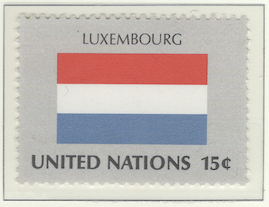
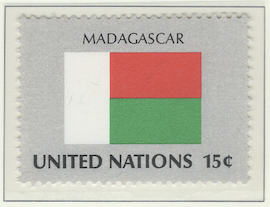
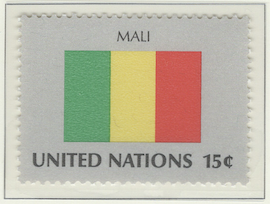
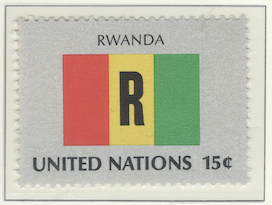
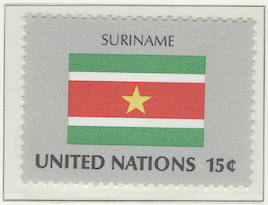
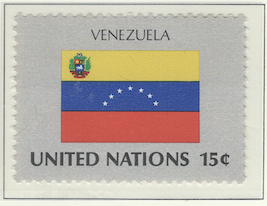
Keep It SimpleWhile both flags have a red field or background – the same as other countries like China – they have the addition of other bold elements that make them unique. They’re easy to see and identify from afar. Most of the flags on this page are simple, containing only bands of three colors. But the colors are the same as others, so that’s not enough.Use Meaningful SymbolismThe crescent moon and the star on the Turkish flag is from the flag of Turkey during the reign of Sultan Abdul Majid. It’s also part of their Muslim heritage, a typical symbol of that faith. Ironically, the moon relates to the ancient city of Byzantium because it was dedicated to Diana, the Roman goddess represented by the moon. To offset that, the Emperor Constantine I added a star to repesent Jesus’ mother Mary. That’s not very Muslim, but its use on the Turkish flag is meaningful to them.Use a Few Basic ColorsThe Turkey and Viet Name flags each have two colors: both with a red field; and one with white and the other with yellow. I don’t like yellow on red, but that’s my personal aversion and has nothing to do with the flag being well designed. Most of the other flags shown on this page at least keep their colors to only three – some with extra colors for their seal.No Lettering or SealsRwanda violates this rule by including the letter R. Fiji, El Salvador, and Venzuela each include a small seal. That makes the flag difficult to identify and to draw.Be Distinctive or Be RelatedMost of the flags on this page are similar, with three bands of colors – some with the same colors – such as Guinea and Mali are the same but the colors reversed, and Cameroon and Rwanda, except that one has a star and the other a letter.
Note
I’ve always liked flags, although I’m not too keen on this flag series. There are several album pages containing flags. The last one contains countries that were added since the start. There are also some flags for the change of the country name. For instance, the Soviet flag is on one stamp and years later it’s on another stamp for Russia.
Anyway, although maps are neat, this flag series is boring. I’ve tried to make it interesting by doing a critique of some of the flags, pointing out which are well done and which aren’t very good. Incidentally, the flag series was issued only from New York and not from Geneva or Vienna.
Contains 16 spots: own 16 – 16 unused, 0 used.
Page is finished.
Album or Web Page Last changed Jun 11, 2025
Stamp Details
The table below lists information about the stamps shown on this page of Lighthouse’s stamp album. For more details about a particular stamp, click on its description. That will take you to the related web page of Colnect.
spot |
own |
catalog |
subject |
description |
comment |
Flag Series
✓ |
331 |
15c (sep 1980) |
|||
✓ |
338 |
15c (sep 1980) |
|||
✓ |
336 |
15c (sep 1980) |
|||
✓ |
327 |
15c (sep 1980) |
|||
✓ |
334 |
15c (sep 1980) |
|||
✓ |
329 |
15c (sep 1980) |
|||
✓ |
340 |
15c (sep 1980) |
|||
✓ |
326 |
15c (sep 1980) |
|||
✓ |
337 |
15c (sep 1980) |
|||
✓ |
332 |
15c (sep 1980) |
|||
✓ |
339 |
15c (sep 1980) |
|||
✓ |
330 |
15c (sep 1980) |
|||
✓ |
325 |
15c (sep 1980) |
|||
✓ |
335 |
15c (sep 1980) |
|||
✓ |
328 |
15c (sep 1980) |
|||
✓ |
333 |
15c (sep 1980) |
Footnotes
Spot refers to the postion of the stamp on the album page (e.g., 3.2 indicates row 3, position 2).
Amt. is an abbreviation for the face amount of the stamp.
Own indicates the stamp status: ✓ for unused; ✗ for used or canceled; ⭑ signifies I ordered one; ; ✨ indicates it was bought recently; ✠ means an auction bid is pending; and ◎ is used, and it costs too much for unused.
To search by catalog number, go to the search box and enter it in the catalog number box. However, it’s a bit broken; I need to fix it.
















No Covers Found.