Great Trees
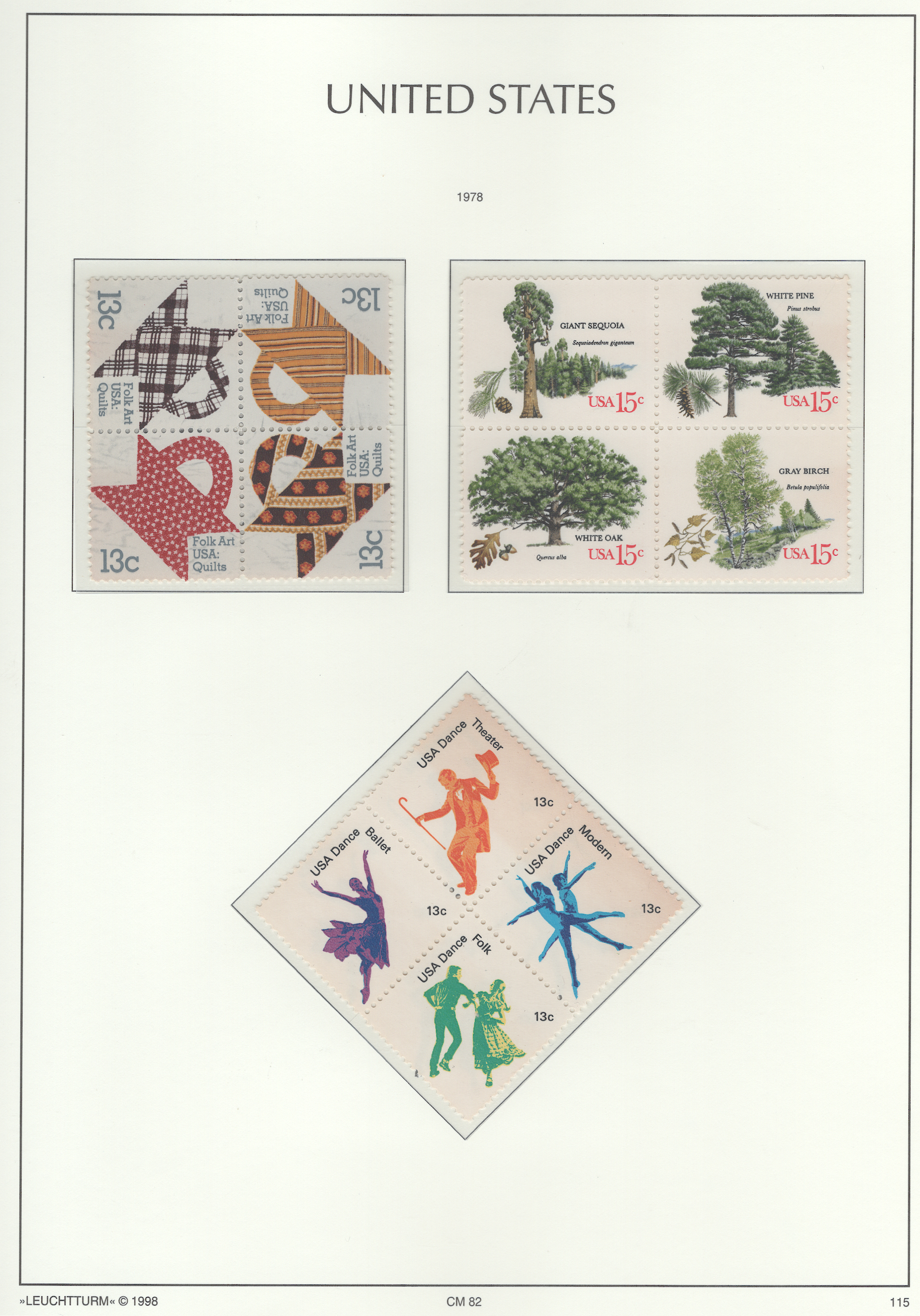
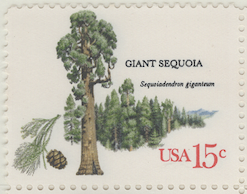
The Giant Sequoia are the largest and oldest trees in the world. Many of them are over seventy-five meters or two-hundred fifty feet high, and fifteen meters or fifty feet in diameter. They live for hundreds of years, some are over two thousand and some over three thousand years old. Before the Ice Age, they were all over the world, but now are found primarily along the California coast, north of San Francisco.
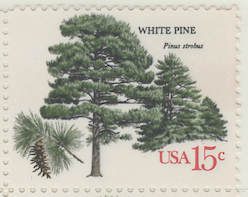
The White Pine is another large tree, although not as large. It’s native to North America, from New Foundland along the St Lawrence Seaway to the Great Lakes, all the way to Minnesota, as well as south through the Appalachian Mountains. They grow as tall as fifty-five meters or over one-hundred eighty feet, with a diamter of one and a half meters or five feet. They live about two hundred years. Smaller, younger ones are grown to be used as Christmas trees.
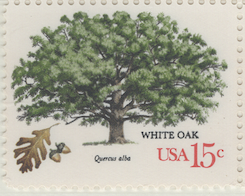
The White Oak can be found east of the Rocky Mountains, in lower Canada and all around the eastern part of the U.S. They live over four hundred years and grow to thirty meters or about one-hundred feet high, and a diameter of one and half meters or five feet.
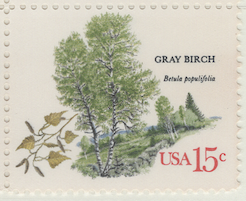
The Gray Birch is found in the lower, eastern part of Canada and the northeastern part of the U.S. It’s not one of the large or old trees. It grows up to ten meters or thirty feet high, with a diameter of onlyy twenty centimeters or eight inches. They live for about fifty years. They’re criticial though to wildlife: many birds eat their seeds or nest in them; moose and deer eat their bark in Winter.
Note
I like the stamps of trees on this page. I’ve encountered all of these trees, or wood from them. I’ve been to Muir Woods a few times to see the Sequoia. When I used to buy Christmas trees, I would buy White Pines. I’ve also used White Oak for woodworking projects.
Having lived in New England, I love all birch trees. I remember once as a boy discovering a Gray Birch which seemed to have had the top half snapped off in a storm. It’s stump was about six feet high and still intact, except there was a four-inch wide hole about six inches from the top. For no particular reason, I poked a stick into the hole. A couple seconds later a bird raised its head from inside the hole to see what I was doing. I think it was a Rose-Breasted Grosbeak. It seemed to have made a nest in the tree. I was surprised and delighted. Being a lover of birds, I left it alone.
Contains 12 spots: own 12 – 12 unused, 0 used.
Page is finished.
Album or Web Page Last changed May 11, 2025
Stamp Details
The table below lists information about the stamps shown on this page of Lighthouse’s stamp album. For more details about a particular stamp, click on its description. That will take you to the related web page of Colnect.
spot |
own |
catalog |
subject |
description |
comment |
Quilts & Rugs
✓ |
1745 |
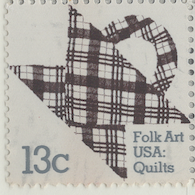
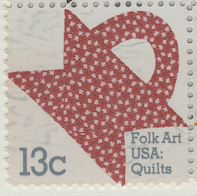
Basket Design Quilt |
13c (mar 1978) |
||
✓ |
1746 |
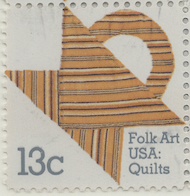
Basket Design Quilt |
13c (mar 1978) |
||
✓ |
1747 |
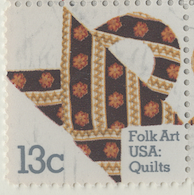
Basket Design Quilt |
13c (mar 1978) |
||
✓ |
1748 |
Basket Design Quilt |
13c (mar 1978) |
Trees
✓ |
1764 |
Giant Sequoia |
15c (oct 1978) |
||
✓ |
1765 |
White Pine |
15c (oct 1978) |
||
✓ |
1766 |
White Oak |
15c (oct 1978) |
||
✓ |
1767 |
Gray Birch |
15c (oct 1978) |
Dance
✓ |
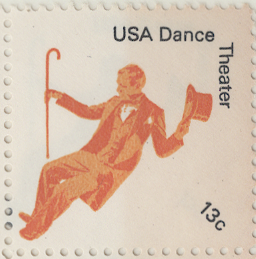
1749 |
13c (apr 1978) |
|||
✓ |
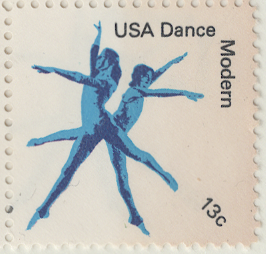
1750 |
13c (apr 1978) |
|||
✓ |
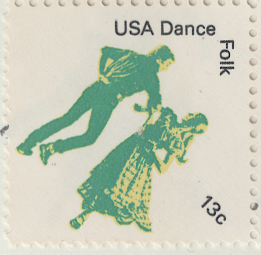
1751 |
13c (apr 1978) |
|||
✓ |
1752 |
13c (apr 1978) |

Footnotes
Spot refers to the postion of the stamp on the album page (e.g., 3.2 indicates row 3, position 2).
Amt. is an abbreviation for the face amount of the stamp.
Own indicates the stamp status: ✓ for unused; ✗ for used or canceled; ⭑ signifies I ordered one; ; ✨ indicates it was bought recently; ✠ means an auction bid is pending; and ◎ is used, and it costs too much for unused.
To search by catalog number, go to the search box and enter it in the catalog number box. However, it’s a bit broken; I need to fix it.











