Olympic Air
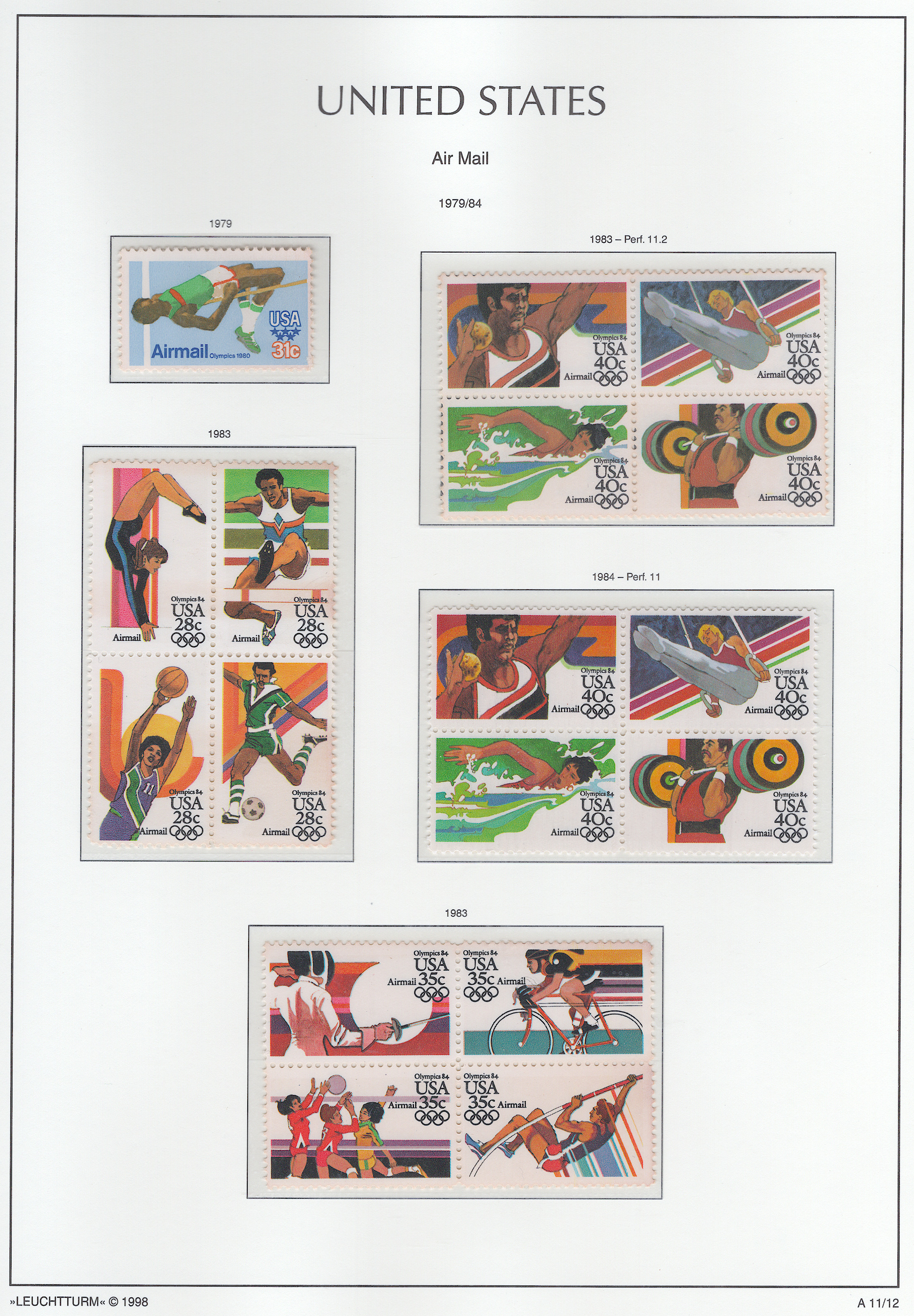
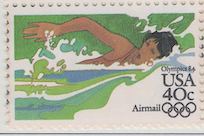
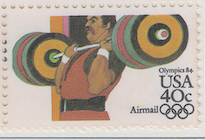
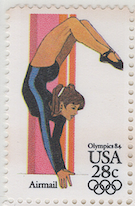
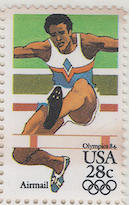
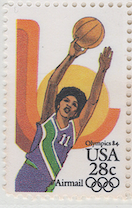
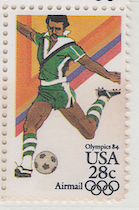
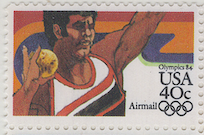
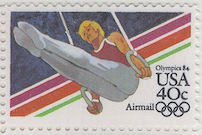
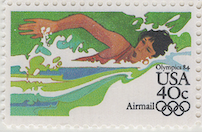
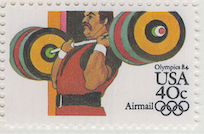
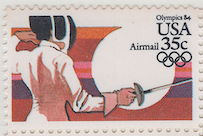
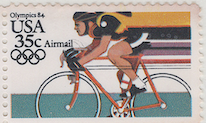
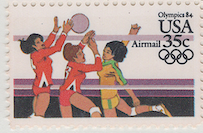
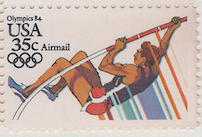
At the 1972 Summer Olympics in Munich, Germany, terrorists had attacked and held hostage several athletes. The Olympics in 1976 were held in Montreal without incident, but they were financially devastating to Canada. As a result of these previous problems, only two countries bid to host the Summer Olympics in 1984: Los Angeles, California and Tehran, Iran. The previous and first time the U.S. had hosted the Summer Olympics was in 1932, also in Los Angeles. Fortunately for the U.S., Iran withdrew their bid.
The Summer Olympics in 1980 was held in Moscow, Russia. Leading to the time of the games, Soviet troops had invaded Afghanistan. Then President James Carter in objection to the war, banned American athletes from partipating in the Olympics in Moscow. I knew someone who was to compete in that Olympics. She was very disappointed. What’s ironic about this decision is that the U.S. would invade Afghanistan in 2001 and remain until 2021.
In retaliation for boycotting the previous Olympic games in Moscow, the Soviet Union and related countries refused to participate in Los Angeles in 1984. As a result, the U.S. dominated the Olympics in the way of winning medals. China had not yet become a major contendor as they are today.
Having learned from the Montreal Olympics, in Los Angles they made use of existing stadiums as much as possible with some improvements, to keep expenses low. They also obtained several major corporate sponsors. As a result, the Los Angeles Olympics were profitable, making over two-hundred fifty million dollars. It set a precedent for future Olympics.
Note
These stamps are different, although they’re celebrating the same Olympics as the ones on the Olympics 1984 page, as is the description above. I’m not a big fan of sports and especially not sports on stamps. So I don’t have much interest in writing two pages about the same Olympic games.
Contains 17 spots: own 17 – 17 unused, 0 used.
Page is finished.
Album or Web Page Last changed May 12, 2025
Stamp Details
The table below lists information about the stamps shown on this page of Lighthouse’s stamp album. For more details about a particular stamp, click on its description. That will take you to the related web page of Colnect.
spot |
own |
catalog |
subject |
description |
comment |
Summer Olympics
✓ |
C97 |
31¢ (nov 1979) |
|||
✓ |
C105 |
40¢ (oct 1983) |
|||
✓ |
C106 |
40¢ (apr 1983) |
|||
✓ |
C107 |
40¢ (apr 1983) |
|||
✓ |
C108 |
40¢ (apr 1983) |
|||
✓ |
C101 |
28¢ (jun 1983) |
|||
✓ |
C102 |
28¢ (jun 1983) |
|||
✓ |
C103 |
28¢ (jun 1983) |
|||
✓ |
C104 |
28¢ (jun 1983) |
|||
✓ |
C105a |
40¢ (oct 1984) |
|||
✓ |
C106a |
40¢ (apr 1983) |
|||
✓ |
C107a |
40¢ (oct 1984) |
|||
✓ |
C108a |
40¢ (apr 1983) |
|||
✓ |
C109 |
35¢ (nov 1983) |
|||
✓ |
C110 |
35¢ (nov 1983) |
|||
✓ |
C111 |
35¢ (nov 1983) |
|||
✓ |
C112 |
35¢ (nov 1983) |
Footnotes
Spot refers to the postion of the stamp on the album page (e.g., 3.2 indicates row 3, position 2).
Amt. is an abbreviation for the face amount of the stamp.
Own indicates the stamp status: ✓ for unused; ✗ for used or canceled; ⭑ signifies I ordered one; ; ✨ indicates it was bought recently; ✠ means an auction bid is pending; and ◎ is used, and it costs too much for unused.
To search by catalog number, go to the search box and enter it in the catalog number box. However, it’s a bit broken; I need to fix it.
















