Flags: Swiss & Viet Nam
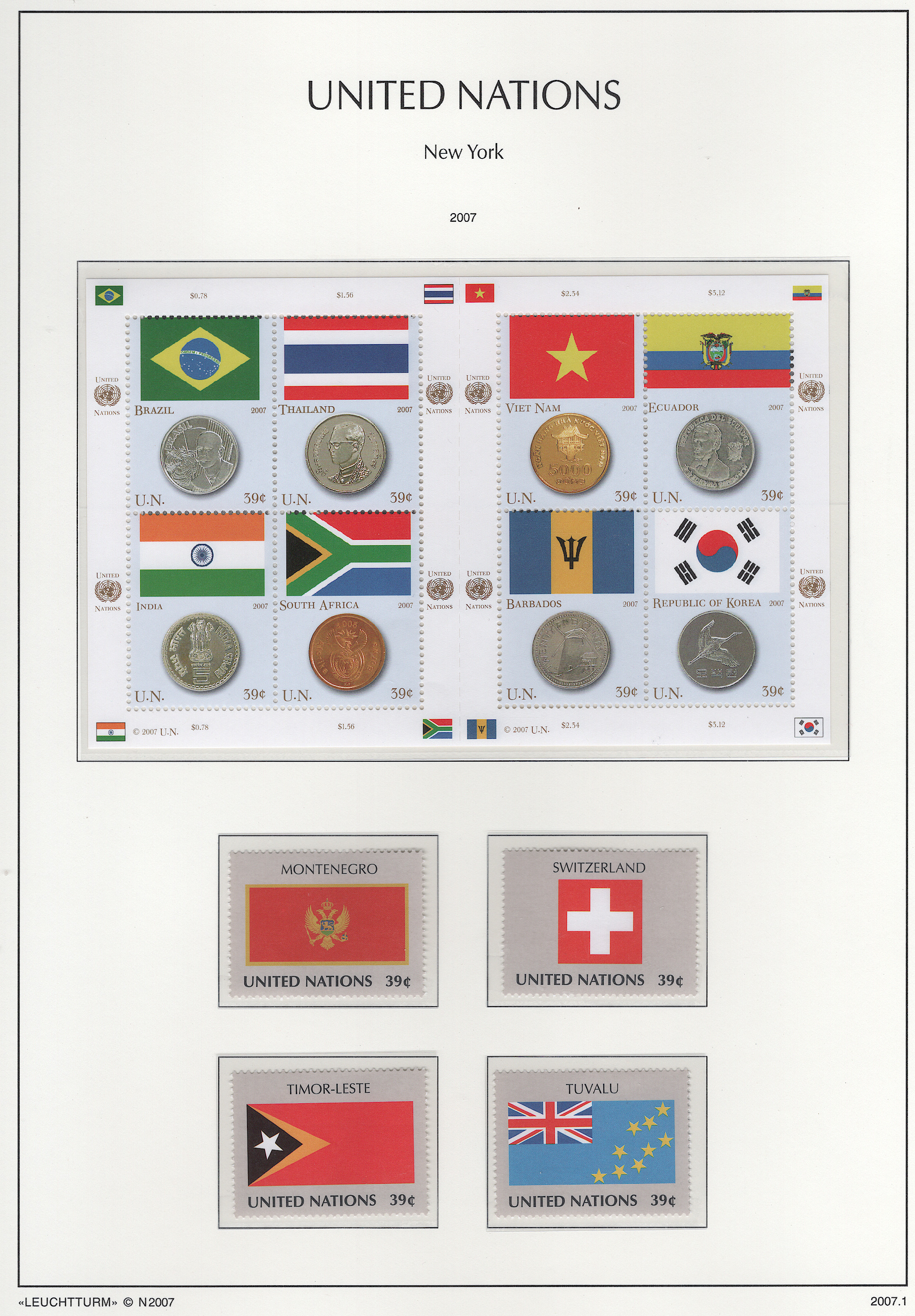
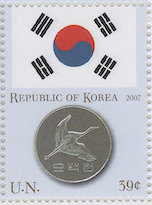
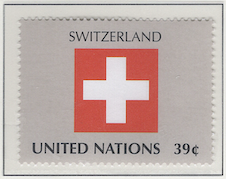
For designing a flag, the North American Vexillological Association recommends a booklet by Ted Kaye called, Good Flag, Bad Flag. Based on it’s criteria, the Switzerland and the Viet Name flags are good. The following analysis uses Ted Kaye booklet for that assessment:
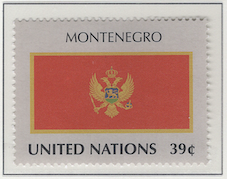
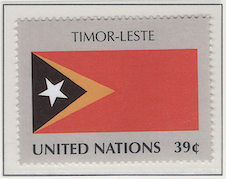
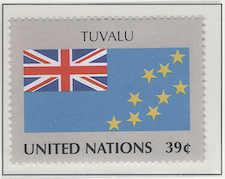
Keep It SimpleThe flag of Switzerland is very simple and it’s unique. It has a simple design and it’s square and not rectangle like almost all other country flags. Looking at the Viet Nam flag which is in the flags and coin series, you can see that its flag is equally. The Swiss one would be easier for a child to draw, although the Viet Namese one wouldn’t be too difficult since most children can draw a five-point star.Use Meaningful SymbolismThe equal lengths, white cross at the center of the Swiss flag has histories going back to the Middle Ages, representing the joining of the Swiss cantons that for their federation. Their king was a Habsburg and the white cross on a red field is in contrast to the St. George’s Cross, which was a red cross on a white field, used by the Austrian Habsburgs.Use a Few Basic ColorsBoth the Swizterland and Viet Nam flags consist of two colors: red and white for the Swiss; red and gold for the Viet Namese. Timor-Leste or East Timor has only four colors, but they aren’t a very appealing combination.No Lettering or SealsThe Monte Negro flag violates this rule by including a crest of a two-headed eagle, which is popular among old eastern European countries. The Swiss flag has the Greek cross, but it’s so simple, it wouldn’t be considered a seal.Be Distinctive or Be RelatedThe Tuvalu flag contains the British union jack, connecting it to its days as a colony of England and its continued connection to King Charles as its monarch. Switzerland’s design is so common place, but at the same time it’s distinct because it’s square.
Note
The four stamps at the bottom of this album page are from the Flag Series, which started in 1980 – see Flags: Turkey & Viet Nam, which included the Viet Nam flag. That series ended in 1989, with the last flag being the U.N. flag – see Flags: Algeria & Lesotho. However, as new countries joined the U.N. (e.g. some island colonies that became independent) and some were rename or reorganized (e.g., the Soviet Union became several separate countries), more flag stamps were issued.
These four new stamps are kind of a mixture of these reasons. Montenegro is a new country from the former Yugoslavia and other affiliations, established the year before this stamp was issued. East Timor is a former island colony that became independent and a member state in 2002. Tuvalu is another former island colony, but they became independent in 1978. They didn’t become a U.N. member until 2000. Somewhat similarly, but maybe more strangely is that Switzerland, although it hosted many U.N. facilities from the start, did not join the U.N. until 2002. Hence the reason this old European country’s flag is only included in this batch of flags.
Contains 12 spots: own 12 – 12 unused, 0 used.
Page is finished.
Album or Web Page Last changed Nov 20, 2025
Stamp Details
The table below lists information about the stamps shown on this page of Lighthouse’s stamp album. For more details about a particular stamp, click on its description. That will take you to the related web page of Colnect.
spot |
own |
catalog |
subject |
description |
comment |
Flags & Coins
✓ |
930a |
39 (may 2007) |
|||
✓ |
930b |
39 (may 2007) |
|||
✓ |
930e |
39 (may 2007) |
|||
✓ |
930f |
39 (may 2007) |
|||
✓ |
930c |
39 (may 2007) |
|||
✓ |
930d |
39 (may 2007) |
|||
✓ |
930g |
39 (may 2007) |
|||
✓ |
930h |
39 (may 2007) |
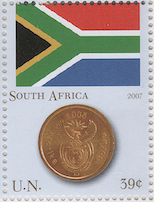
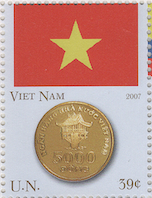
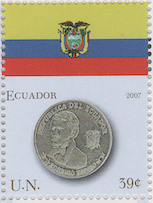
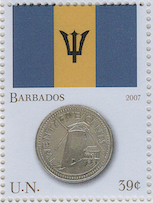
Flag Series
✓ |
924 |
39 (feb 2007) |
|||
✓ |
922 |
39 (feb 2007) |
|||
✓ |
923 |
39 (feb 2007) |
|||
✓ |
921 |
39 (feb 2007) |
Footnotes
Spot refers to the postion of the stamp on the album page (e.g., 3.2 indicates row 3, position 2).
Amt. is an abbreviation for the face amount of the stamp.
Own indicates the stamp status: ✓ for unused; ✗ for used or canceled; ⭑ signifies I ordered one; ; ✨ indicates it was bought recently; ✠ means an auction bid is pending; and ◎ is used, and it costs too much for unused.
To search by catalog number, go to the search box and enter it in the catalog number box. However, it’s a bit broken; I need to fix it.












No Covers Found.