Bighorn Sheep
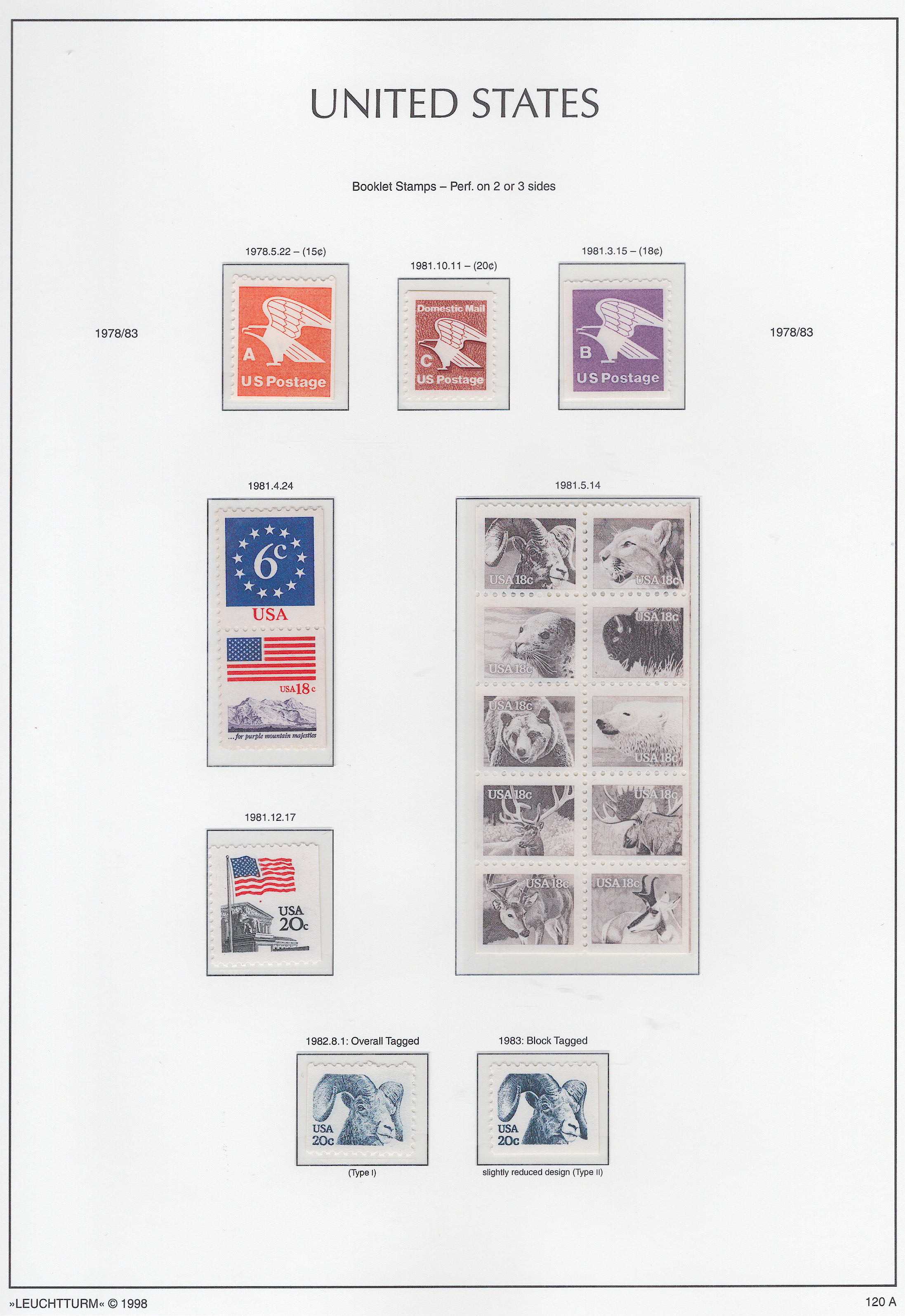
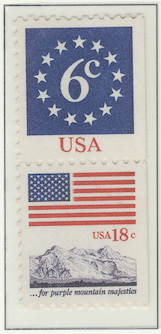
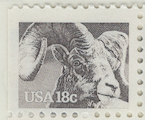
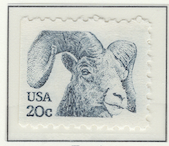
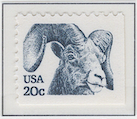
The first stamps of the booklet set depicts a Bighorn Sheep, as well as the two singles at the bottom of the page.
Bighorn sheep are called such because the males have large curved horns. Prior to European settlements in North America, there were millions of bighorn sheep from the eastern side of the Rocky Mountains to the western side by the Sierra Madre and then going north into British Columbia. Now there are only a few thousand of them.
The bighorn are known for their pre-mating ritual in which a pair of males or rams will race towards each other and clash their horns together to determine dominance. Unlike some herding animals, bighorn sheep don’t have a single dominant male, but a set of males – each at their own level.
The females or ewes, however, have their own system for choosing a male. Most of them will choose a raw that’s good at tending, the process of tending to the ewe: accompanying her, assuring she’s not disturbed while grazing by others, shooing away approaching males. Another tactic that rams try that’s not very successful, is called blocking, the process of blocking a ewe from going near any other ram before they’re ready for mating. The only other process is for two rams to butt heads to fight for one ewe, with the dominated one stepping aside in the end. This is not very effective.
I find these mating preferences interesting. It’s the caring and attentive ones that usually get the females – not the head butting ones, contrary to Disney nature shows of my childhood, nor the clingy, controling ones.
Note
The layout of this page is not very attractive. But the stamps are odd sizes, making them difficult to organize in appealing ways. For my assembled page, I played with the layout a bit. The results in part are better, mostly because I separated the booklet stamps.
Contains 17 spots: own 17 – 17 unused, 0 used.
Page is finished.
Album or Web Page Last changed May 16, 2025
Stamp Details
The table below lists information about the stamps shown on this page of Lighthouse’s stamp album. For more details about a particular stamp, click on its description. That will take you to the related web page of Colnect.
spot |
own |
catalog |
subject |
description |
comment |
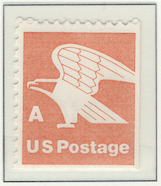
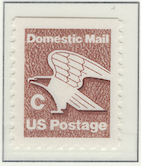
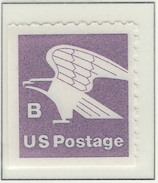
Eagle Series
✓ |
1736 |
A (may 1978) |
|||
✓ |
1948 |
C (oct 1981) |
|||
✓ |
1819 |
B (mar 1981) |
Flag Series
✓ |
1893c |
24c (apr 1981) |
|||
✓ |
1880 |
Bighorn Sheep |
18c (may 1981) |
||
✓ |
1881 |
Puma |
18c (may 1981) |
||
✓ |
1882 |
Harbour Seal |
18c (may 1981) |
||
✓ |
1883 |
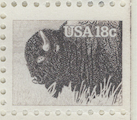
American Bison |
18c (may 1981) |
||
✓ |
1884 |
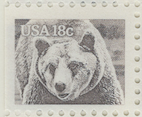
Brown Bear |
18c (may 1981) |
Wild Life of North America
✓ |
1885 |
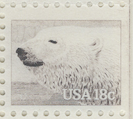
Polar Bear |
18c (may 1981) |
||
✓ |
1886 |
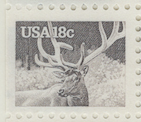
Wapiti |
18c (may 1981) |
||
✓ |
1887 |
Moose |
18c (may 1981) |
||
✓ |
1888 |
White-Tailed Deer |
18c (may 1981) |
||
✓ |
1889 |
Pronghorn |
18c (may 1981) |
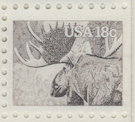
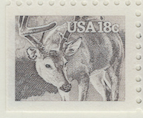
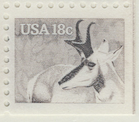
Flag Series
✓ |
1896 |
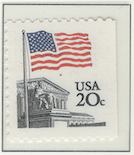
Supreme Court |
20c (dec 1981) |
Wild Life of North America
✓ |
1949 |
Bighorn Sheep |
20c (jan 1982) |
||
✓ |
1949c |
Bighorn Sheep |
20c (jan 1982) |
Footnotes
Spot refers to the postion of the stamp on the album page (e.g., 3.2 indicates row 3, position 2).
Amt. is an abbreviation for the face amount of the stamp.
Own indicates the stamp status: ✓ for unused; ✗ for used or canceled; ⭑ signifies I ordered one; ; ✨ indicates it was bought recently; ✠ means an auction bid is pending; and ◎ is used, and it costs too much for unused.
To search by catalog number, go to the search box and enter it in the catalog number box. However, it’s a bit broken; I need to fix it.
















