Monuments Destroyed
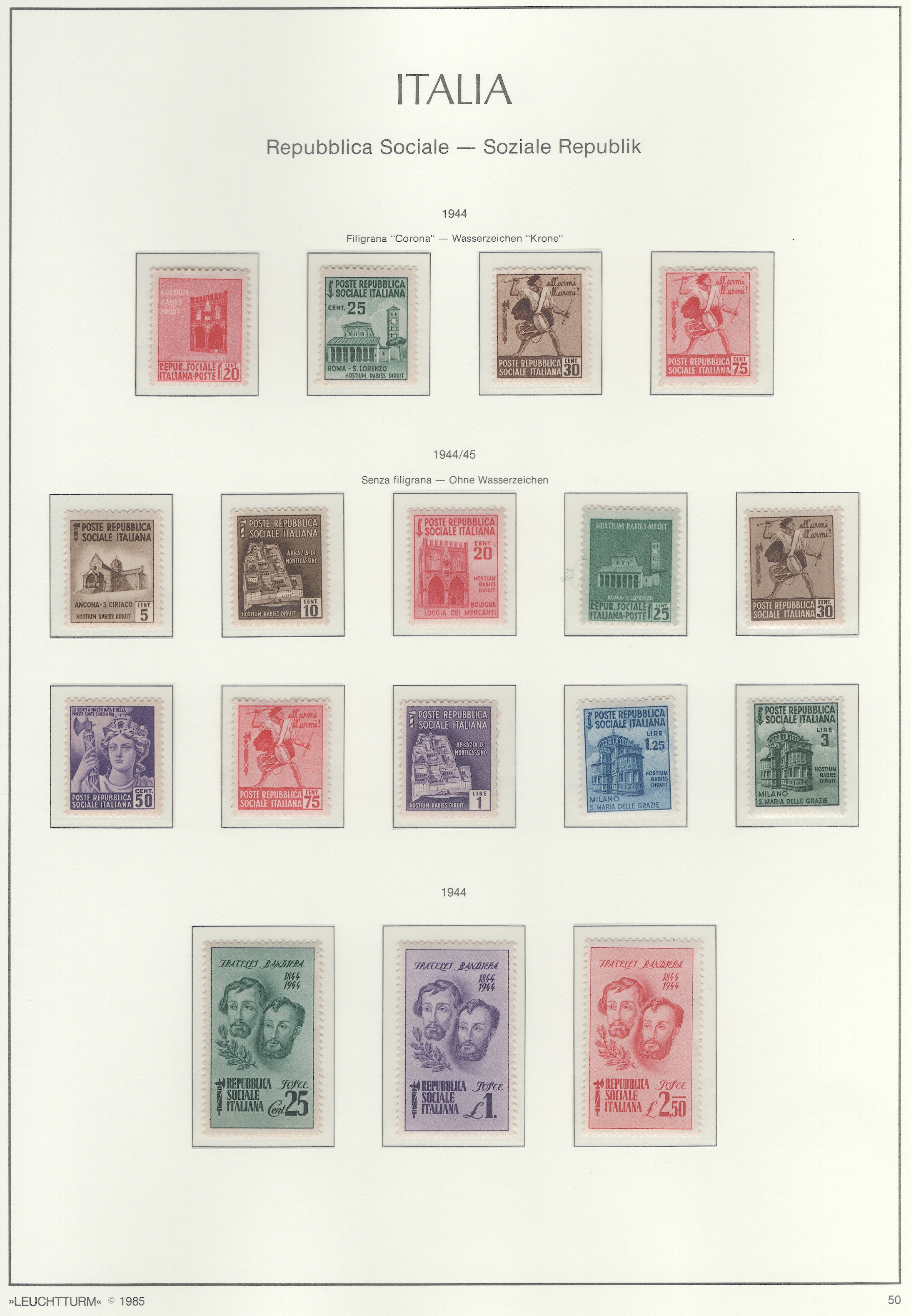
When the Allied Forces began their attack on the Italian peninsula, they started with excessive bombings. This went on for months. Mussolini’s government did little or nothing to prepare for this. When a bombing raid would start, there was no sirens to warn the public to extinguish lights and to seek shelter underground. Instead, targets were well lit and people were killed and injured severely. Plus, the Italian air force and air defenses were slow to respond. All of this led to the people turning on Mussolini and his government, and his arrest and the King surrendering.
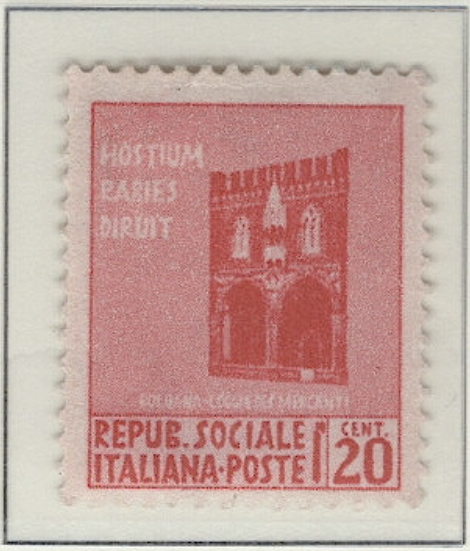
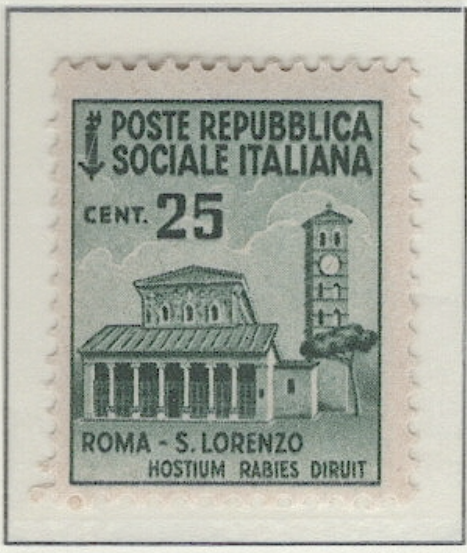
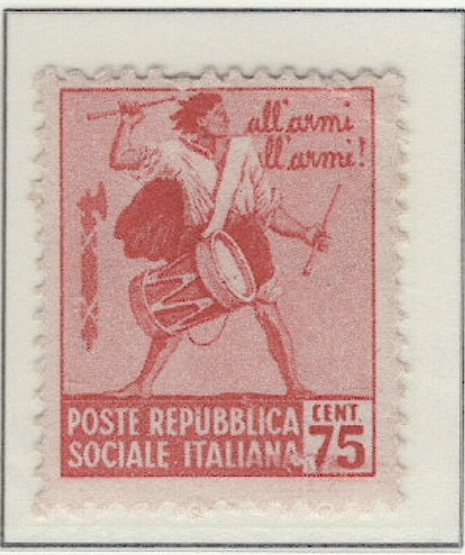
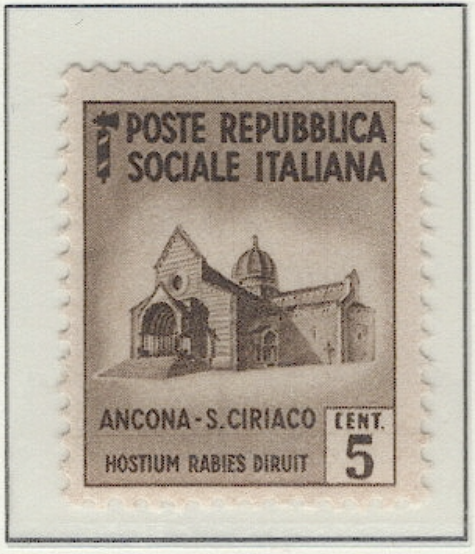
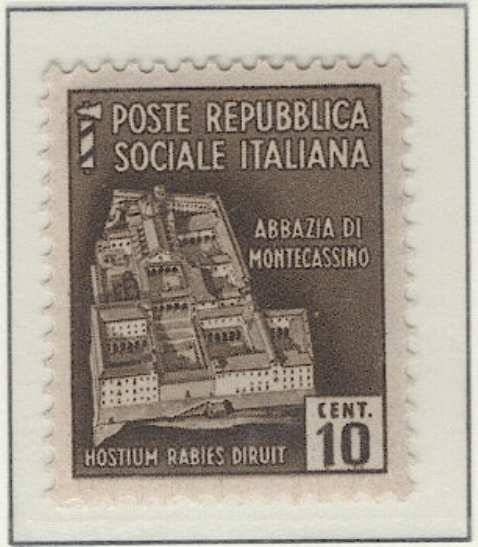
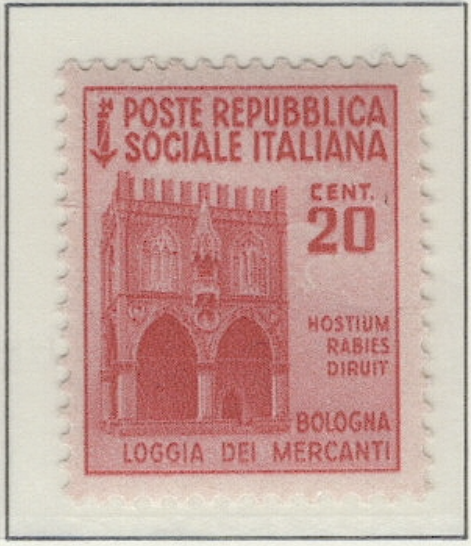
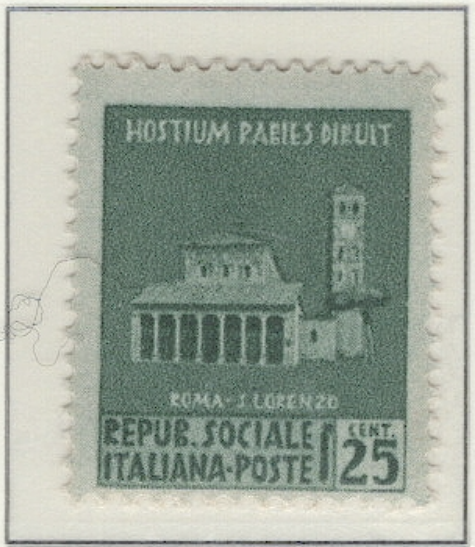
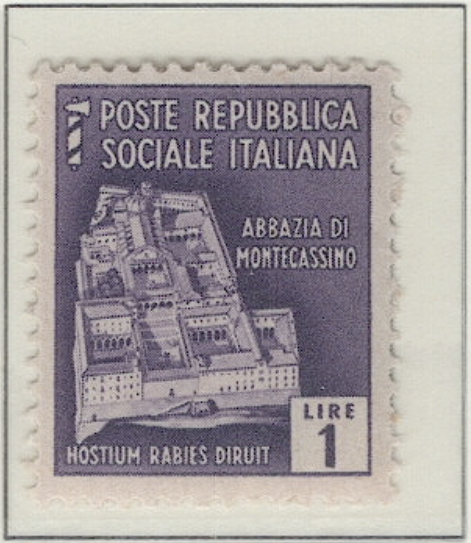
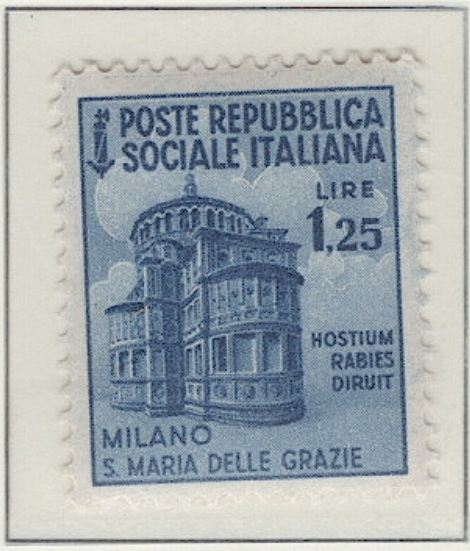
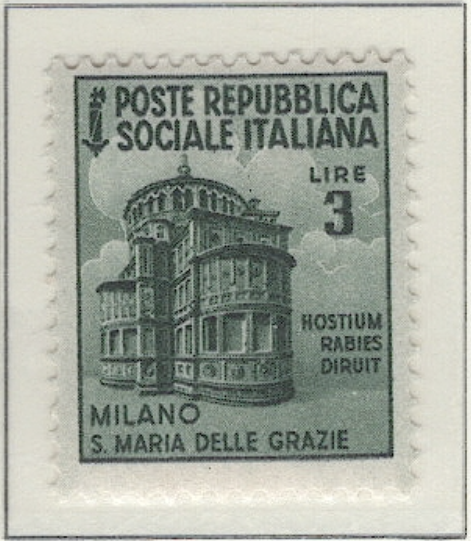
Still, the German controled new Italian Socialist Republic sought to use the destruction or damaging of historic buildings to rally the public against the Allies and the King. To that end, they issued these stamps showing such structures: the Palazzo della Mercanzia in Bologna; the Basilica of Saint Lawrence Outside the Walls in Rome; the Ancona Duomo; the Santa Maria delle Grazie Church in Milan where Leonardo’s Last Supper mural is located; and the Abbey of Monte Cassino, the original house of the Benedictine monks.
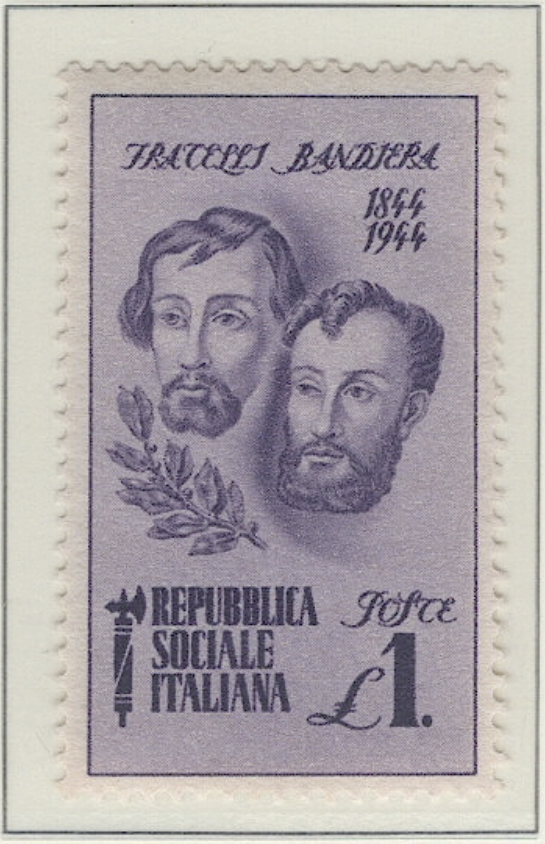
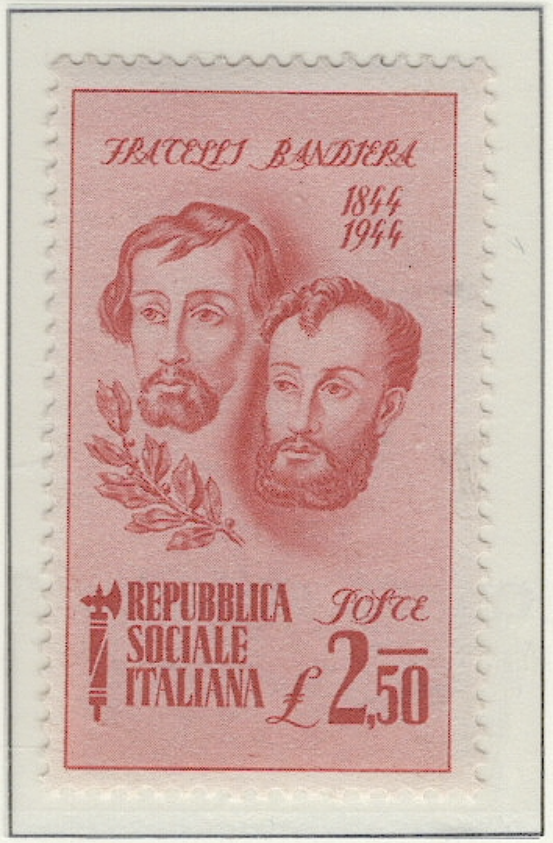
The Bandiera Brothers
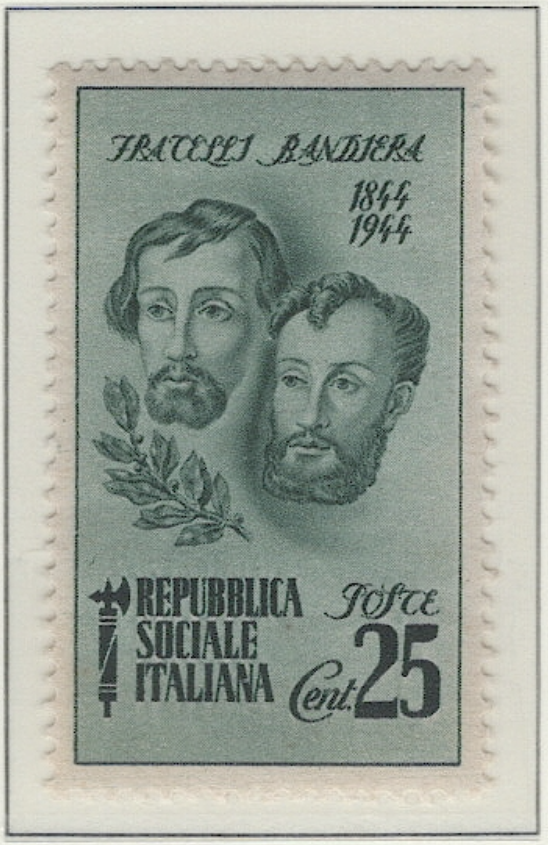
Attilio Bandiera and Emilio Bandiera were brothers from the early 19th Century, the sons of an Austrian admiral. Emilio was born in Venice and his brother was born in Spalato (now called, Split, located in what’s now Croatia. Both cities had been part of the Republic of Venice, but at that time were under Austrian rule.
When they were in their thirties, they became active in the Risorgimento – the movement to unite Italy into one country. They were members of the secrety political party, La Giovine Italia (i.e., The Young Italy). They promoted the unification ideas pretty openly, but were not satisifed. So they devised a plan to seize an Austrian ship and attack Messina in Sicily to begin a revolution. Their plans were discovered and were to be arrested. They escaped, though, to Corfu.
In 1844, Giuseppe Mazzini, a politician and journalist who was one of the leaders of the unification movement, wrote to the Bandiera brothers. He encouraged them to go to Calabria in the southern end of Italy, to join with local disidents to begin an attack there. They were unsuccessful – the people they were to meet were not there and they were betrayed before they arrived. As a result, they were captured, tried for treason and executed by firing squad.
The stamps at the bottom of this album page commemorate the Bandiera brothers. I guess they were viewed as heroes similar to what the Fascists were trying to do in the north.
Note
Although I don’t care much for the artistic style of these stamps designed and issued by the Socialist Republic of Italy, I am pleased that the page has been completed. Maybe the design is plainer because it was war time, but I suspect it’s because it was designed for the German controlled government. Perhaps the designer’s heart was not into it or perhaps it was a German designer who didn’t have the flair of an Italian designer. But those are just my guesses and my prejudices in favor of Italian over Germans.
Contains 17 spots: own 17 – 17 unused, 0 used.
Page is finished.
Album or Web Page Last changed Jul 17, 2025
Stamp Details
The table below lists information about the stamps shown on this page of Lighthouse’s stamp album. For more details about a particular stamp, click on its description. That will take you to the related web page of Colnect.
spot |
own |
catalog |
subject |
description |
comment |
Socialist Republic
✓ |
496 |
Merchant Lodge |
20c (1944) |
||
✓ |
497 |
San Lorenzo Basilica |
25c (1944) |
||
✓ |
498 |
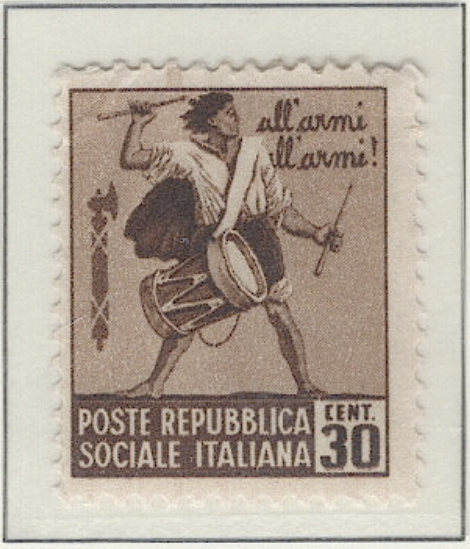
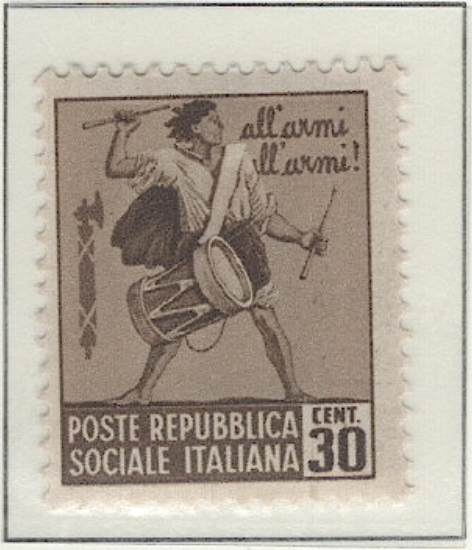
30c (1944) |
|||
✓ |
499 |
75c (1944) |
|||
✓ |
502 |
San Ciriaco Church |
5c (1944) |
||
✓ |
503 |
10c (1944) |
|||
✓ |
504 |
Merchant Lodge |
20c (1944) |
||
✓ |
505 |
San Lorenzo Basilica |
25c (1944) |
||
✓ |
506 |
75c (1944) |
|||
✓ |
507 |
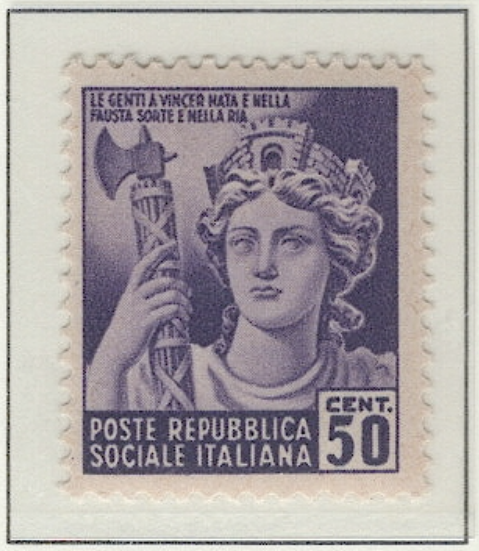
50c (1944) |
|||
✓ |
508 |
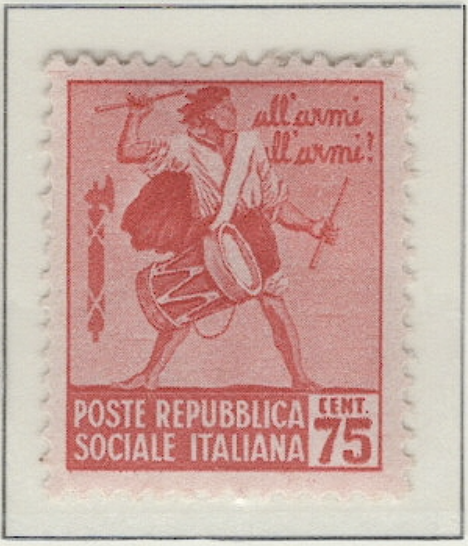
75c (1944) |
|||
✓ |
509 |
1₤ (1944) |
|||
✓ |
510 |
St. Maria delle Grazie |
1.25₤ (1944) |
||
✓ |
511 |
St. Maria delle Grazie |
3₤ (1944) |
Bandiera Brothers
✓ |
512 |
25c (1944) |
|||
✓ |
513 |
1₤ (1944) |
|||
✓ |
514 |
2.5₤ (1944) |
Footnotes
Spot refers to the postion of the stamp on the album page (e.g., 3.2 indicates row 3, position 2).
Amt. is an abbreviation for the face amount of the stamp.
Own indicates the stamp status: ✓ for unused; ✗ for used or canceled; ⭑ signifies I ordered one; ; ✨ indicates it was bought recently; ✠ means an auction bid is pending; and ◎ is used, and it costs too much for unused.
To search by catalog number, go to the search box and enter it in the catalog number box. However, it’s a bit broken; I need to fix it.
















