Lubiana
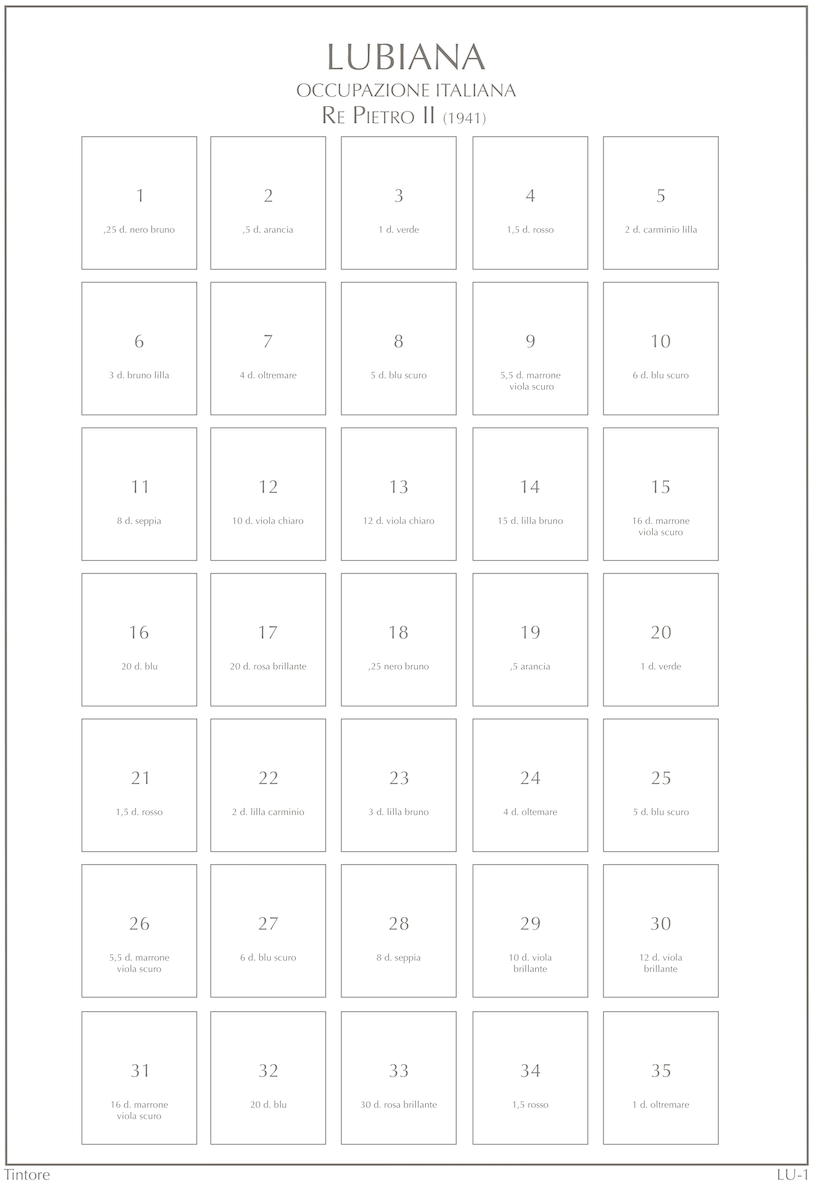
Ljubljana was the capital of the Drava Banovina, a province of the Kingdom of Yugoslavia, when the Axis attacked Yugoslavia on April 6, 1941. The Italian army arrived in the city on April 11. In mid-April, Emilio Grazioli was appointed Royal Civil Commissioner of the occupied Slovenian territories, and on May 3, 1941, Italy annexed the area as the Province of Ljubljana, with Lubiana as its capital. Unlike other Italian provinces, it was run by a High Commissioner with wider powers than a normal prefect, and Grazioli was the first. Leon Rupnik, a former Yugoslav general, served as mayor. As you might expect, the stamps from this period are overprints. In 1941, Yugoslav stamps were overprinted with the name of the Royal Civil Commissariat of the Occupied Slovenian Territories of Lubiana.
Resistance began almost immediately. The Liberation Front of the Slovene Nation was founded on April 27, 1941, and Ljubljana became its focal center. The Italians responded with force. More than 130 hostages were shot in the city over about nine months, and the Anti-Communist Volunteer Militia was organized under Italian control. Jews were interned as well, starting in November 1941, mostly at the Ferramonti di Tarsia camp in southern Italy. In February 1942, the army began surrounding the city with barbed wire to cut it off from the Partisans in the surrounding countryside. The fence was about 30 kilometers long and lined with bunkers and guard towers, and people could only pass through a few crossings with special permission. Basically, the city was sealed off. About 6,000 people died in the province before the Italian occupation ended in 1943.
Italy capitulated in September 1943, and Germany took control with SS General Erwin Rösener and Friedrich Rainer, though formally the city remained the capital of an Italian province until May 9, 1945. The Germans kept the fence in place and relied on the Home Guard, a Slovene force under their control. They also named Rupnik president of the provincial administration in September 1943. Germany overprinted Italian stamps for the Provinz Laibach (the German name) in 1944, and new stamps followed in 1945. The Liberation Army entered Ljubljana on May 9, 1945, after the city had been enclosed for 1,170 days. After the war, it became the capital of the Socialist Republic of Slovenia within Yugoslavia, and it stayed that way until 1991. Since 1957, people have walked along the old fence each May, and in 1985 the Path of Remembrance and Comradeship was completed along its route.
Note
This is another set of expansion pages. I recently designed these pages as part of my attempt to create all of the album pages I need for all of the remaining Italian stamp there were. I’m starting to think I’m being naive in thinking it’s possible to do this. I’m not allowing for errors and oddities. I’m not including stamps used in Italy that were issued by occupying troops – except for the Italian Socialist Republic, which was controled by the Germans. Still, every time I think I’m almost finished adding pages, I discover some territory where Italians were selling stamps in their name and with the king’s image on them.
For now, I keep plodding along in the hopes it’ll end soon. I’m not even printing the pages yet. I’ll do that later. Then I’ll mount the stamps and scan the pages to repost here. I don’t have many of these new occupation albums, just a few of most of them. Some I suspect are quite expensive. So I may never have them. Maybe my heirs will complete the albums. That’s every collector’s dream and false illusion. It never happens. We’re just temporary curators. Our heirs only sell our collections, not continue them.
Contains 35 spots: own 0 – 0 unused, 0 used.
Stamp Details
The table below lists information about the stamps shown on this page of Lighthouse’s stamp album. For more details about a particular stamp, click on its description. That will take you to the related web page of Colnect.
spot |
own |
catalog |
subject |
description |
comment |
|---|---|---|---|---|---|
1 |
0.25d (apr 1941) |
||||
2 |
0.5d (apr 1941) |
||||
3 |
1d (apr 1941) |
||||
4 |
1.5d (apr 1941) |
||||
5 |
2d (apr 1941) |
||||
6 |
3d (apr 1941) |
||||
7 |
4d (apr 1941) |
||||
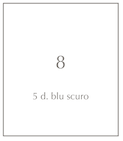
8 |
5d (apr 1941) |
||||
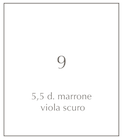
9 |
5.5d (apr 1941) |
||||
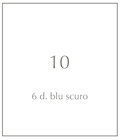
10 |
6d (apr 1941) |
||||
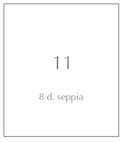
11 |
8d (apr 1941) |
||||
12 |
10d (apr 1941) |
||||
13 |
12d (apr 1941) |
||||
14 |
15d (apr 1941) |
||||
15 |
16d (apr 1941) |
||||
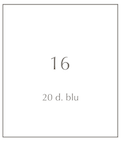
16 |
20d (apr 1941) |
||||
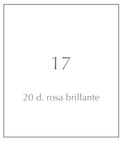
17 |
30d (apr 1941) |
||||
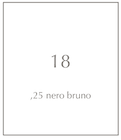
18 |
0.25d (may 1941) |
||||
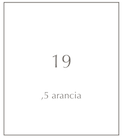
19 |
0.5d (may 1941) |
||||
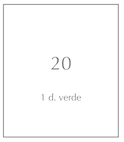
20 |
1d (may 1941) |
||||
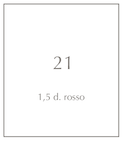
21 |
1.5d (may 1941) |
||||
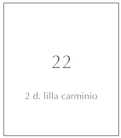
22 |
2d (may 1941) |
||||
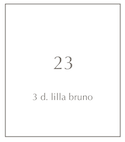
23 |
3d (may 1941) |
||||
24 |
4d (may 1941) |
||||
25 |
5d (may 1941) |
||||
26 |
5.5d (may 1941) |
||||
27 |
6d (may 1941) |
||||
28 |
8d (may 1941) |
||||
29 |
10d (may 1941) |
||||
30 |
12d (may 1941) |
||||
31 |
16d (may 1941) |
||||
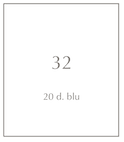
32 |
20d (may 1941) |
||||
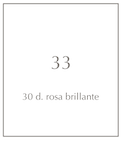
33 |
30d (may 1941) |
||||
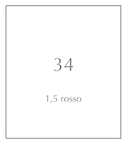
34 |
1.5d (jun 1941) |
||||
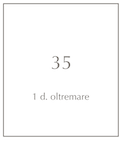
35 |
1d (jun 1941) |
Footnotes
Spot refers to the postion of the stamp on the album page (e.g., 3.2 indicates row 3, position 2).
Amt. is an abbreviation for the face amount of the stamp.
Own indicates the stamp status: ✓ for unused; ✗ for used or canceled; ⭑ signifies I ordered one; ; ✨ indicates it was bought recently; ✠ means an auction bid is pending; and ◎ is used, and it costs too much for unused.
To search by catalog number, go to the search box and enter it in the catalog number box. However, it’s a bit broken; I need to fix it.
remaining stamps & stories in sub-album
page |
story |
note |
used |
need |
ordered |
|---|---|---|---|---|---|
35 |
|||||
18 |
|||||
20 |


































