Flags: Togo & Iceland
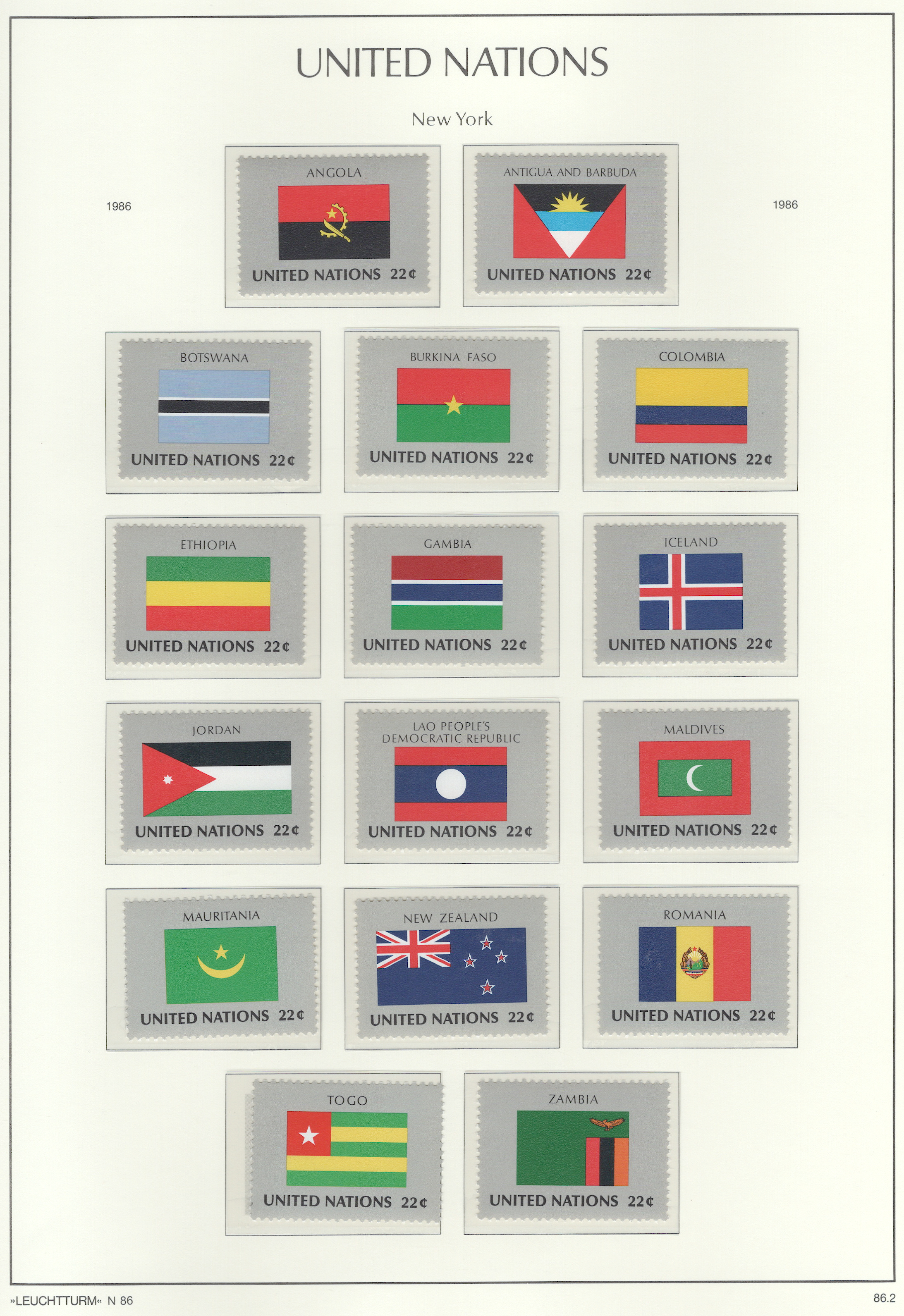
For designing a flag, the North American Vexillological Association recommends a booklet by Ted Kaye called, Good Flag, Bad Flag. Based on it’s criteria, Togo and Iceland flags are good. The following analysis uses Ted Kaye booklet for that assessment:
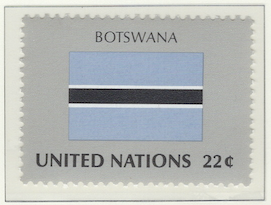
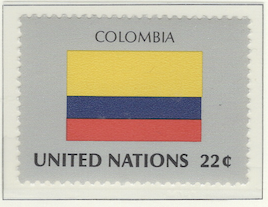
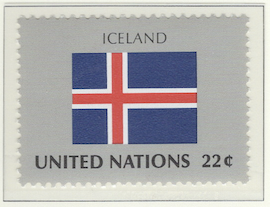
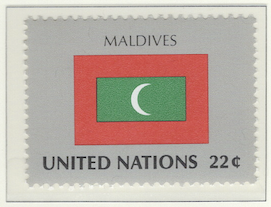
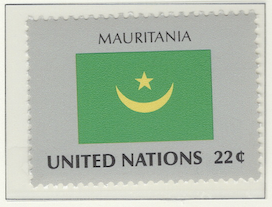
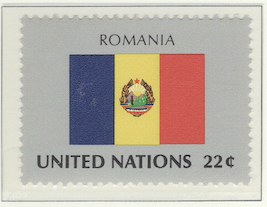
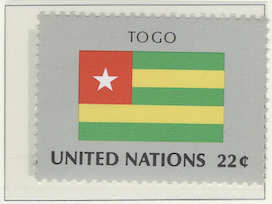
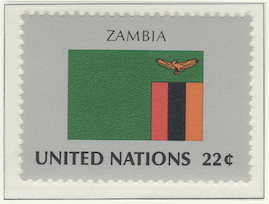
Keep It SimpleThe Iceland flag is moderately simple – like a simplified version of the British Union Jack. Colombia has the usual tri-color, but with a larger band for the yellow top – making it look like a sunrise on the horizon. Botswana is simple enough — although a dark black band with a white border across a dull light blue field isn’t very compelling. However, it was meant to counter the Union Jack used by South Africa and thereby the area of Botswana: sort of to say it’s barring apartheid.Use Meaningful SymbolismThe Togo flag has colors I don’t particularly like, but they’re symbolic. The green represents agriculture and hope; yellow its natural resources and faith; and red the blood shed by those who fought for independence. The white star represents peace. The five stripes represent the five regions of Togo. So with a few colors, they built in meaning.Use a Few Basic ColorsMauritania uses only two colors, but the design looks a little like a smiling face – or maybe the Amazon logo. Maldives uses three colors, but with a red border all around the green rectangle, it looks like a flag within a flag – or a picture of a flag. Iceland has only three colors and not much of one – a white outline for the cross.No Lettering or SealsRomania made the mistake of including a seal. Zambia doesn’t have a seal, but it has a small eagle that seems like one. It has an unusual design, but it looks more like a bird hover over a building. Iceland has no seals, just patterns.Be Distinctive or Be RelatedTogo found a way to look the same as everyone else, while looking distinctive: the colors are the pan-African colors, and the layout of stripes with a red canton and a charge of a single star make it like the U.S. and other flags. But the choice of colors defies the U.S. and European flags, and using the African colors in a more European way defies the other African countries. It’s like they’re saying, we’re African but we’re also part of a larger, world community.
Note
This flag series is boring. I’ve tried to make it interesting by doing a critique of some of the flags, pointing out which are well done and which aren’t very good. However, as I’m writing these in the order that they were issued, I’m getting tired of assessing and judging all of the country flags of the world. You can hear that in how I list what’s wrong with flags, but struggle to say something nice about any of them.
Contains 16 spots: own 16 – 16 unused, 0 used.
Page is finished.
Album or Web Page Last changed Jun 12, 2025
Stamp Details
The table below lists information about the stamps shown on this page of Lighthouse’s stamp album. For more details about a particular stamp, click on its description. That will take you to the related web page of Colnect.
spot |
own |
catalog |
subject |
description |
comment |
Flag Series
✓ |
487 |
22c (sep 1986) |
|||
✓ |
486 |
22c (sep 1986) |
|||
✓ |
488 |
22c (sep 1986) |
|||
✓ |
479 |
22c (sep 1986) |
|||
✓ |
492 |
22c (sep 1986) |
|||
✓ |
482 |
22c (sep 1986) |
|||
✓ |
480 |
22c (sep 1986) |
|||
✓ |
485 |
22c (sep 1986) |
|||
✓ |
483 |
22c (sep 1986) |
|||
✓ |
478 |
22c (sep 1986) |
|||
✓ |
481 |
22c (sep 1986) |
|||
✓ |
491 |
22c (sep 1986) |
|||
✓ |
477 |
22c (sep 1986) |
|||
✓ |
489 |
22c (sep 1986) |
|||
✓ |
490 |
22c (sep 1986) |
|||
✓ |
484 |
22c (sep 1986) |
Footnotes
Spot refers to the postion of the stamp on the album page (e.g., 3.2 indicates row 3, position 2).
Amt. is an abbreviation for the face amount of the stamp.
Own indicates the stamp status: ✓ for unused; ✗ for used or canceled; ⭑ signifies I ordered one; ; ✨ indicates it was bought recently; ✠ means an auction bid is pending; and ◎ is used, and it costs too much for unused.
To search by catalog number, go to the search box and enter it in the catalog number box. However, it’s a bit broken; I need to fix it.
















No Covers Found.