Carabinieri
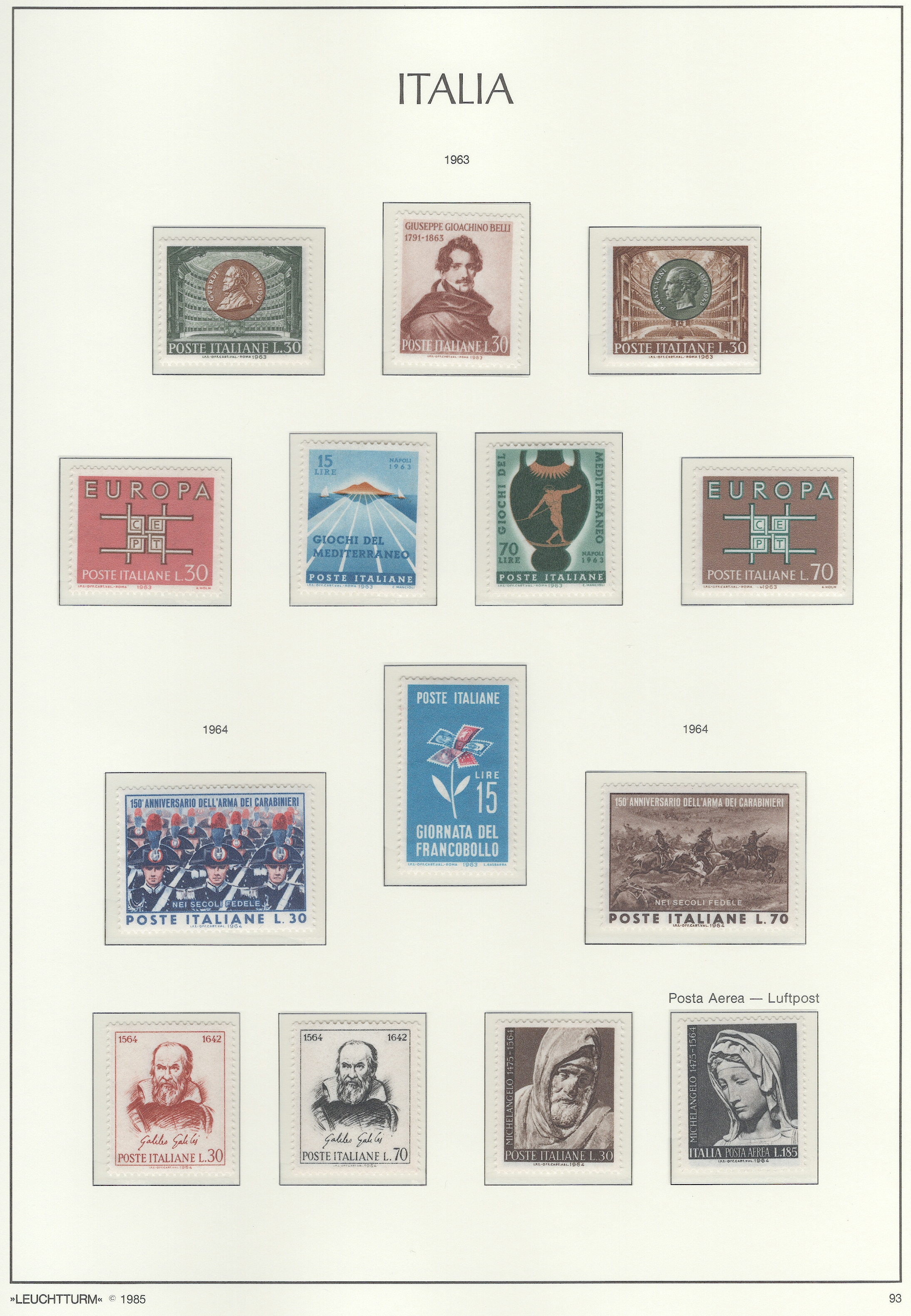
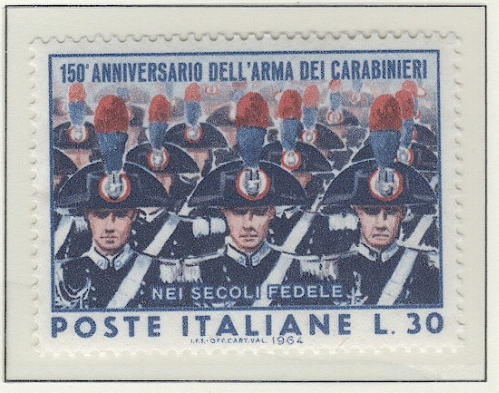
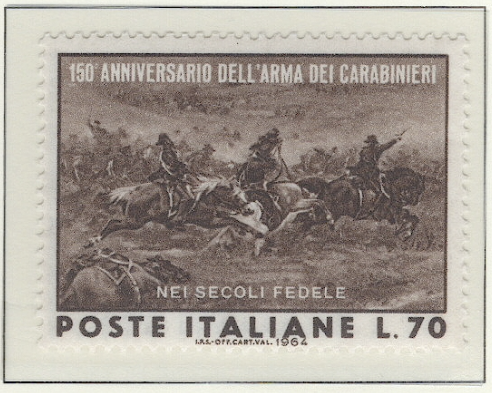
The Carabinieri were created by Royal Patents on July 13, 1814, under Victor Emmanuel I of Sardinia as a police corps for the Kingdom of Sardinia. It was known as the Royal Carabinieri Corps, and the name comes from the French carabinier, a soldier armed with a carbine. On January 24, 1861, the Carabinieri were named the “First Force” of the new national military. In World War I they served as barrier troops behind the attacking units to stop desertion, and the Corps earned its first Gold Medal of Military Valor. In World War II they were involved in suppressing opposition under Mussolini, though they arrested him in 1943 after he fell from power. German forces then disarmed the Carabinieri and deported thousands of officers, and many members joined the resistance.
On March 31, 2000, the Carabinieri were separated from the Army and became the fourth branch of the Italian Armed Forces. They act as military police and also handle civilian policing, criminal investigations and shared border control duties, and they take part in peacekeeping missions abroad (e.g., Kosovo, Afghanistan and Iraq). There are about 110,000 sworn officers, and the command is in Rome. A specialist division protects Italy’s artistic heritage as well. Their motto is Nei Secoli Fedele (Faithful through the centuries), and Carabinieri Day is on June 5. The historic dress uniform is black with silver braid and scarlet trim, and it includes the two-pointed hat called the lucerna.
Note
In the U.S., the military police are for the policing only military personal, while on military grounds and elsewhere. They’re not allowed to arrest civilians. In Italy, though, the military police, the Carabinieri have jurisdiction over everyone inside Italian borders and also operate outside the country as a military force, much like the Marines.
Contains 14 spots: own 14 – 14 unused, 0 used.
Page is finished.
Album or Web Page Last changed Jan 1, 2023
Stamp Details
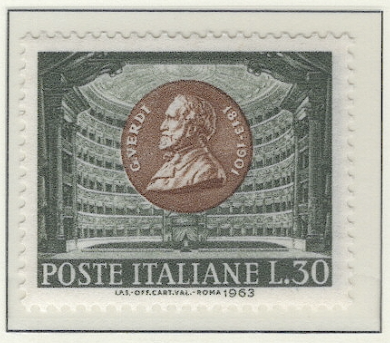
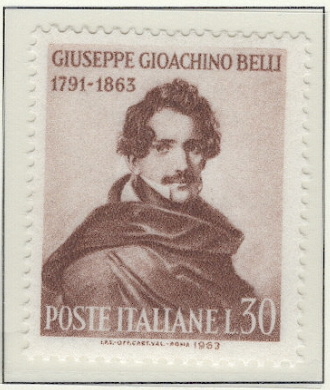
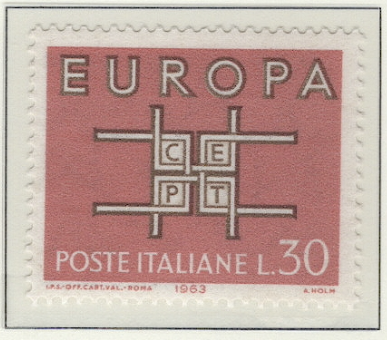
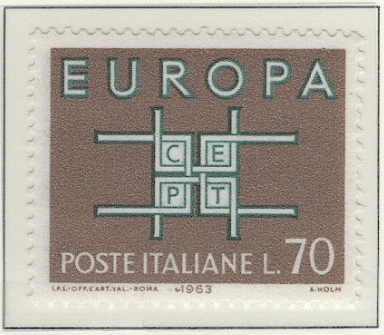
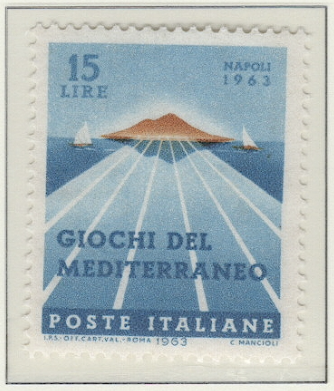
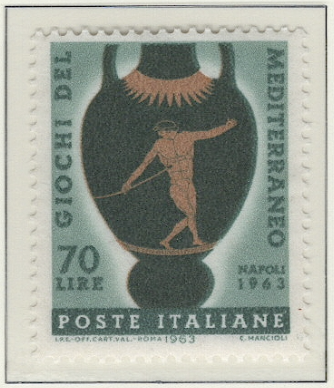
The table below lists information about the stamps shown on this page of Lighthouse’s stamp album. For more details about a particular stamp, click on its description. That will take you to the related web page of Colnect.
spot |
own |
catalog |
subject |
description |
comment |
|---|---|---|---|---|---|
✓ |
971 |
30₤ (oct 1963) |
|||
✓ |
972 |
30₤ (nov 1963) |
|||
✓ |
974 |
30₤ (dec 1963) |
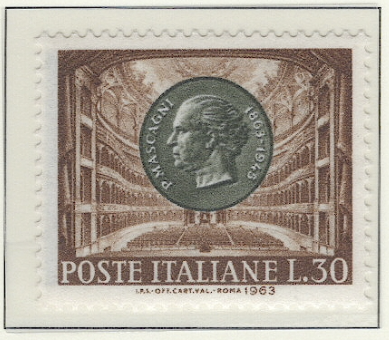
International Athletic Competitions
✓ |
967 |
30₤ (sep 1963) |
|||
✓ |
968 |
70₤ (sep 1963) |
|||
✓ |
969 |
15₤ (sep 1963) |
|||
✓ |
970 |
70₤ (sep 1963) |
Carabinieri & Other Police
✓ |
978 |
30₤ (jun 1964) |
|||
✓ |
979 |
Carabinieri: 150th Annv. |
70₤ (jun 1964) |
||
✓ |
973 |
15₤ (dec 1963) |
Other
✓ |
975 |
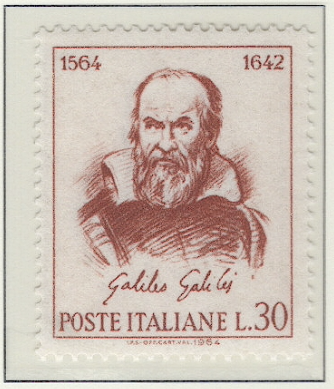
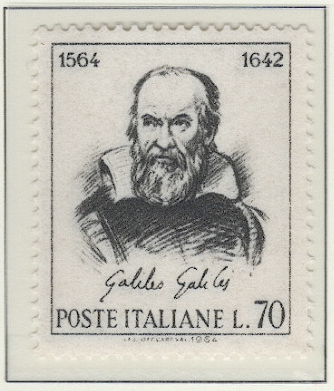
Galileo Galilei (1564-1642) |
30₤ (feb 1964) |
||
✓ |
976 |
Galileo Galilei (1564-1642) |
70₤ (feb 1964) |
||
✓ |
977 |
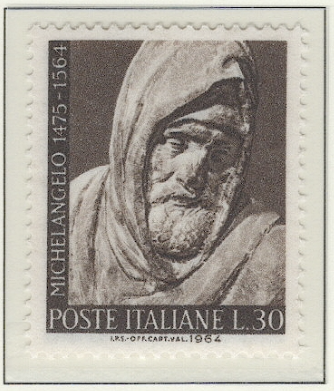
30₤ (feb 1964) |
|||
✓ |
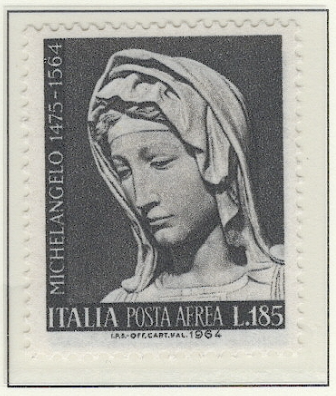
A156 |
185₤ (feb 1964) |
Footnotes
Spot refers to the postion of the stamp on the album page (e.g., 3.2 indicates row 3, position 2).
Amt. is an abbreviation for the face amount of the stamp.
Own indicates the stamp status: ✓ for unused; ✗ for used or canceled; ⭑ signifies I ordered one; ; ✨ indicates it was bought recently; ✠ means an auction bid is pending; and ◎ is used, and it costs too much for unused.
To search by catalog number, go to the search box and enter it in the catalog number box. However, it’s a bit broken; I need to fix it.













