John Tyler
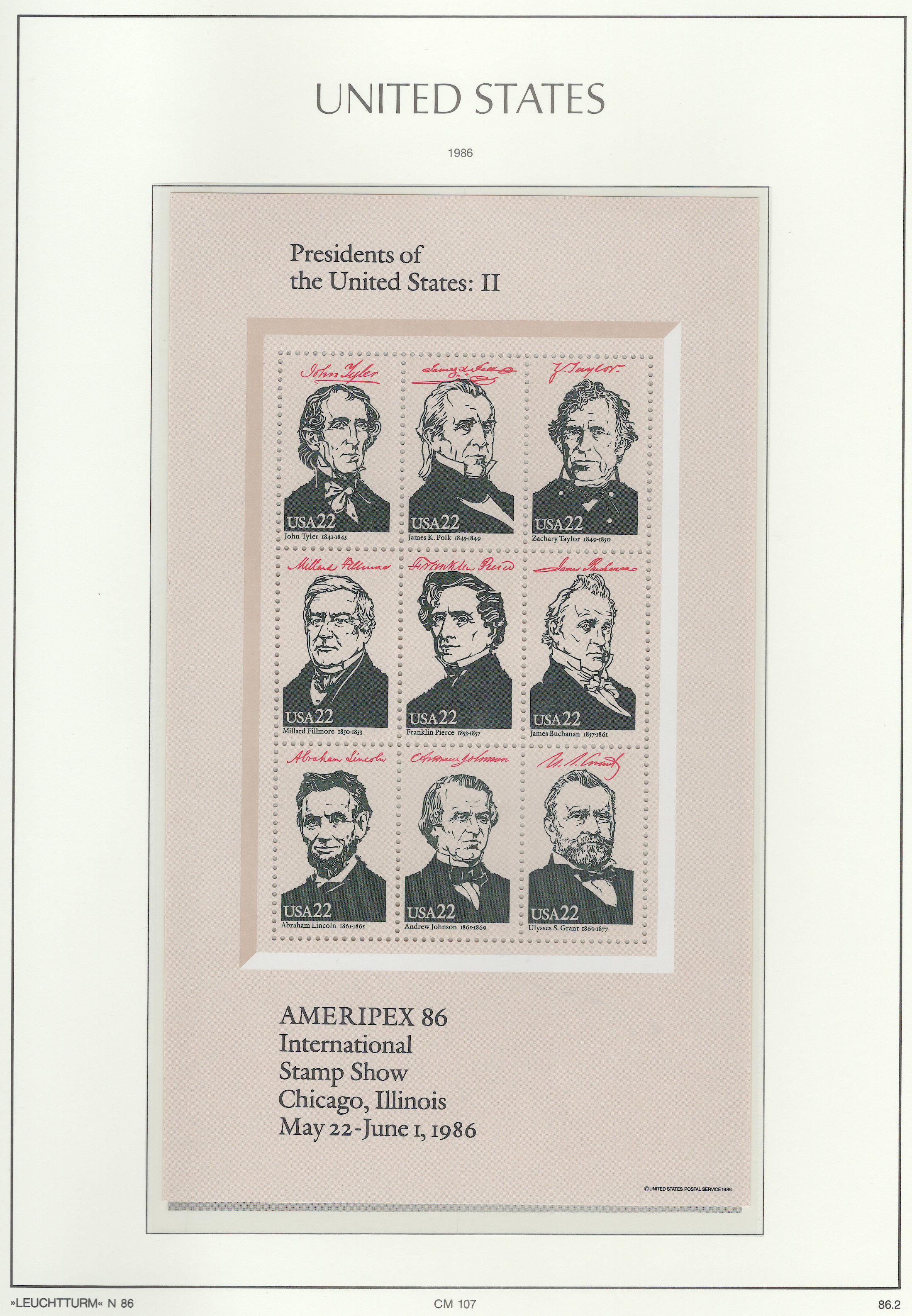
In 1840, John Tyler was elected Vice President under President William Henry Harrison. They ran with the famous campaign slogan, Tippecanoe and Tyler Too, referring to a song of the same name. Harrison was famous as the General that led U.S. troops to victory against Shawnee rebelling in the Indiana Territory, at the Battle of Tippecanoe. About a month into his presidency, though, Harrison died of pneumonia brought on by a weakened immune system from having spent hours without proper clothing in the cold rain during his inauguration, and at subsequent social and political outings.
Tyler was the first Vice President to assume the role of President due to the post being vacated – due to death or resignation or any other reason. At that time, there was nothing written specifically into the U.S. Constitution that states the Vice President would become president, just that he would act as such. It would not be added to the Constitution until 1967, after the death of President John Kennedy, with the twenty-fifth amendment. Harrison’s cabinet supported Tyler acting as president – they wanted him as such to adhere to their majority vote on any decisions – but they did not agree that he had the right to be president. Rather than ask for a ruling from Congress or the Supreme Court, Tyler assumed the presidency and got a D.C. federal judge to swear him in. He just took control and no one stopped him. It wasn’t until about eight weeks later, because of so much unrest in Congress and elsewhere, that the House of Representatives passed a resolution recognizing him as President – which was ratified a month later by the Senate.
He had many conflicts though with political opponents in Congress. He was the first president for on which articles of impeachment were voted. He was also the first President to have his veto overturned by Congress. But Tyler accomplished many things while in office: in particular expansion of the U.S. He fought hard for and was successful in the annexation of Texas as part of the U.S. He also was instrumental in the statehoods of California, Oregon, and Washington, and began to the process of annexing Hawaii. On his last day in office, Florida became a state.
Note
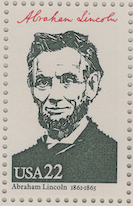
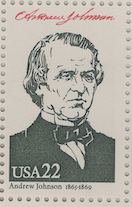
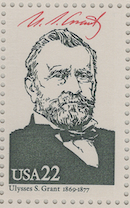
There weren’t many interesting presidents in this batch, not like the ones on the previous album page – except for Lincoln and Grant, which I cover elsewhere. It was difficult to choose about which to write from the other seven. Tyler seems most inspirational to me, given how he became president.
Contains 9 spots: own 9 – 9 unused, 0 used.
Page is finished.
Album or Web Page Last changed May 24, 2025
Stamp Details
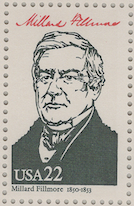
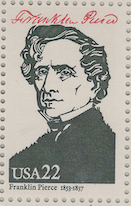
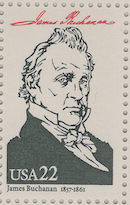
The table below lists information about the stamps shown on this page of Lighthouse’s stamp album. For more details about a particular stamp, click on its description. That will take you to the related web page of Colnect.
spot |
own |
catalog |
subject |
description |
comment |
U.S. Presidents
✓ |
2217a |
22c (may 1986) |
|||
✓ |
2217b |
22c (may 1986) |
|||
✓ |
2217c |
22c (may 1986) |
|||
✓ |
2217d |
22c (may 1986) |
|||
✓ |
2217e |
22c (may 1986) |
|||
✓ |
2217f |
22c (may 1986) |
|||
✓ |
2217g |
22c (may 1986) |
|||
✓ |
2217h |
22c (may 1986) |
|||
✓ |
2217i |
22c (may 1986) |
Footnotes
Spot refers to the postion of the stamp on the album page (e.g., 3.2 indicates row 3, position 2).
Amt. is an abbreviation for the face amount of the stamp.
Own indicates the stamp status: ✓ for unused; ✗ for used or canceled; ⭑ signifies I ordered one; ; ✨ indicates it was bought recently; ✠ means an auction bid is pending; and ◎ is used, and it costs too much for unused.
To search by catalog number, go to the search box and enter it in the catalog number box. However, it’s a bit broken; I need to fix it.








