Twin Flower
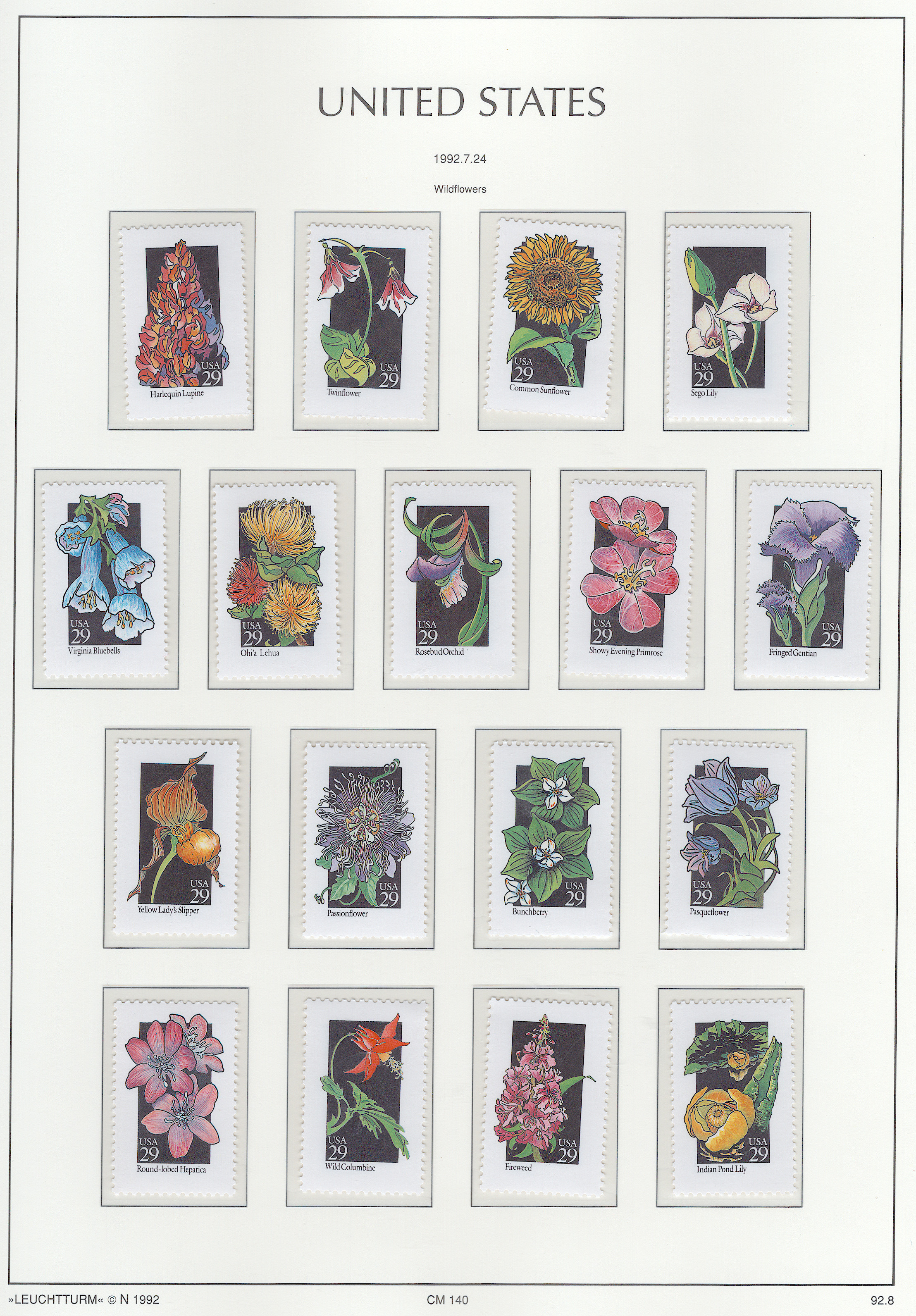
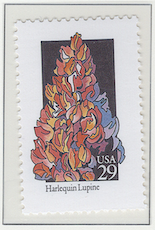
The twin flower (Linnaea borealis) is a small evergreen plant in the honeysuckle family, and it is the only species in its genus. Its slender stems creep along the ground, typically 20 to 40 centimeters long, with small rounded leaves. The flowering stems rise 4 to 8 centimeters above them and usually carry a pair of pale pink flowers that hang down, which is where the name comes from.
In 1753, Carl Linnaeus formally described the plant in Species Plantarum. The genus name had been used earlier by the Dutch botanist Jan Frederik Gronovius in honor of Linnaeus, and it stuck because this was his favorite plant. When he was raised to the Swedish nobility in 1757, he took it as his personal symbol. It is also the provincial flower of Småland, the province where he was born.
The twin flower grows in moist forests across the cold northern parts of Europe, Asia and North America, and further south in the mountains (e.g., the Alps). It spreads by creeping stems and forms patches that are all the same plant, though it needs pollen from a different plant to make viable seed. Basically, a patch on its own may never produce any. In Great Britain it is listed as “nationally scarce” and is found at only about 50 sites, mostly in the woods around the Cairngorms.
Note
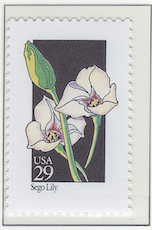
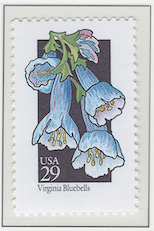
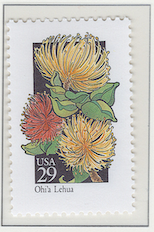
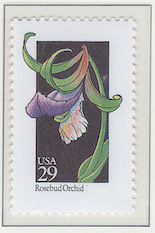
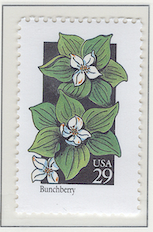
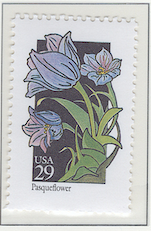
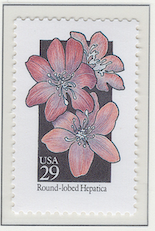
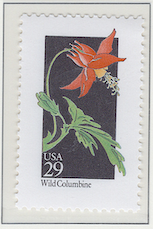
The twin flower is such a neat flower, growing two flowers for each stem. I don’t know why that’s so appealing to me, but it is. I wish, though, the design of these stamps were better, less watercolor or cartoonish.
Contains 17 spots: own 17 – 17 unused, 0 used.
Page is finished.
Album or Web Page Last changed Mar 7, 2025
Stamp Details
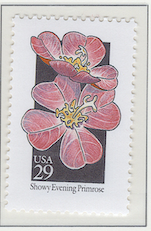
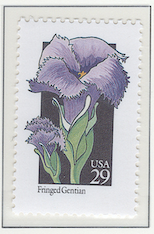
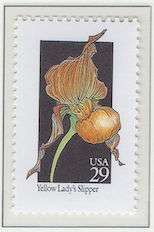
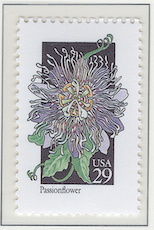
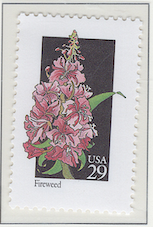
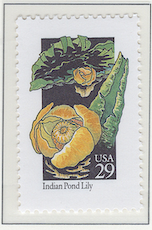
The table below lists information about the stamps shown on this page of Lighthouse’s stamp album. For more details about a particular stamp, click on its description. That will take you to the related web page of Colnect.
spot |
own |
catalog |
subject |
description |
comment |
Flowers & Blossoms
✓ |
2664 |
29c (jul 1992) |
|||
✓ |
2665 |
29c (jul 1992) |
|||
✓ |
2666 |
29c (jul 1992) |
|||
✓ |
2667 |
29c (jul 1992) |
|||
✓ |
2668 |
29c (jul 1992) |
|||
✓ |
2669 |
29c (jul 1992) |
|||
✓ |
2670 |
29c (jul 1992) |
|||
✓ |
2671 |
29c (jul 1992) |
|||
✓ |
2672 |
29c (jul 1992) |
|||
✓ |
2673 |
29c (jul 1992) |
|||
✓ |
2674 |
29c (jul 1992) |
|||
✓ |
2675 |
29c (jul 1992) |
|||
✓ |
2676 |
29c (jul 1992) |
|||
✓ |
2677 |
29c (jul 1992) |
|||
✓ |
2678 |
29c (jul 1992) |
|||
✓ |
2679 |
29c (jul 1992) |
|||
✓ |
2680 |
29c (jul 1992) |
Footnotes
Spot refers to the postion of the stamp on the album page (e.g., 3.2 indicates row 3, position 2).
Amt. is an abbreviation for the face amount of the stamp.
Own indicates the stamp status: ✓ for unused; ✗ for used or canceled; ⭑ signifies I ordered one; ; ✨ indicates it was bought recently; ✠ means an auction bid is pending; and ◎ is used, and it costs too much for unused.
To search by catalog number, go to the search box and enter it in the catalog number box. However, it’s a bit broken; I need to fix it.
















