Vittorio Emanuele III
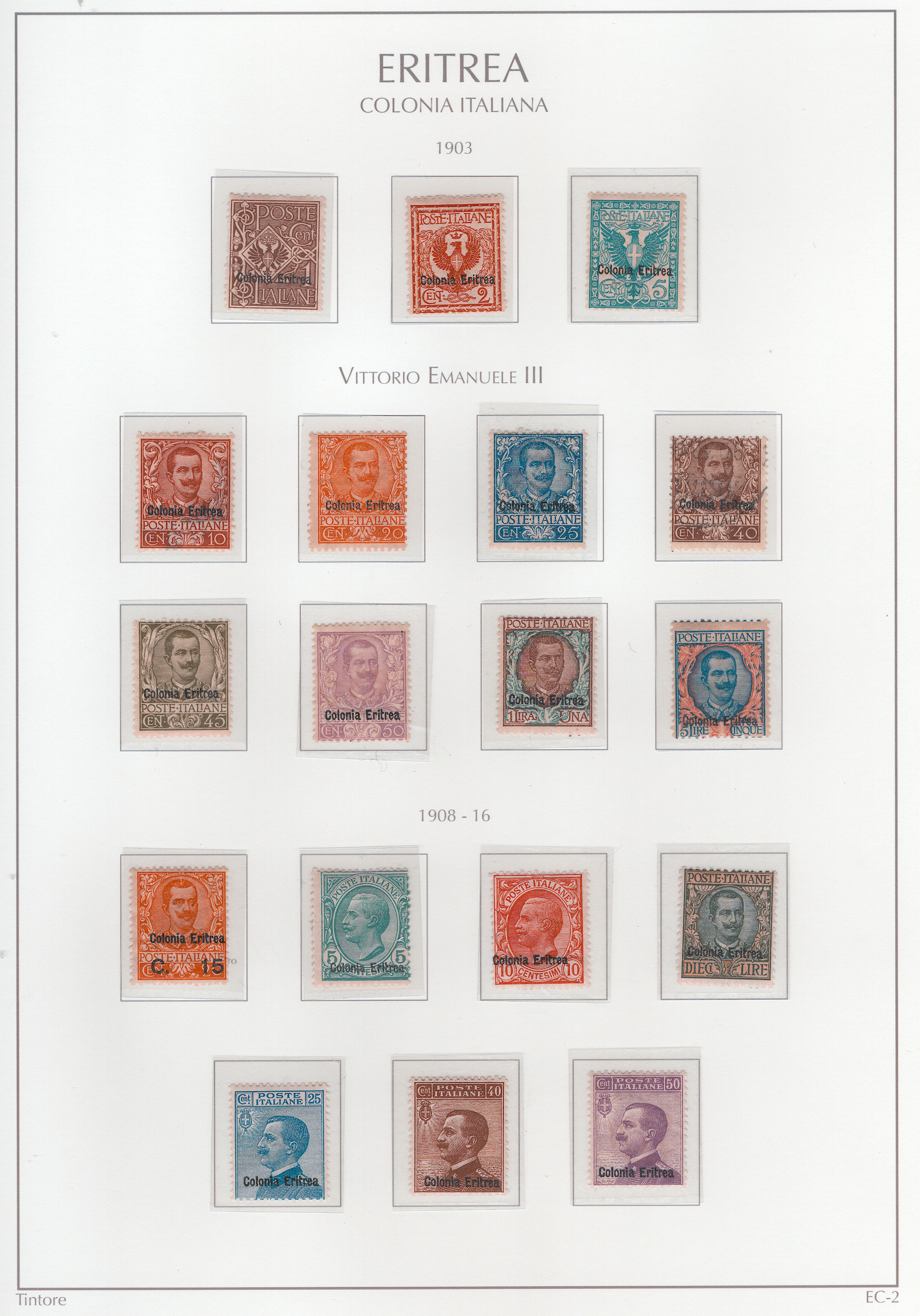
In the Summer of 1900, an Italian-American shot Umberto I four times, killing him in the city of Monza, south of Milan. He was buried in the Pantheon in Rome: I saw this tomb. Umberto I was succeeded by his son, Vittorio Emanuele III.
Vittorio Emanuele III would reign for forty-six years and lead his country, often successfully, in wars – including both world wars. In fact, their success at the Battle of Vittorio Veneto against Austria led to the end of World War I. As a result, the king ws sometimes called Il Re Soldato (i.e., the Soldier King). He was also called, Sciaboletta (i.e., Little Saber) due to his height: he was 153 centimeters high (i.e., 5 feet).
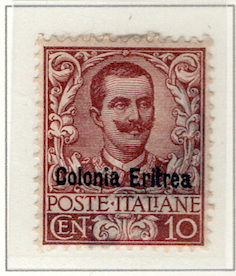
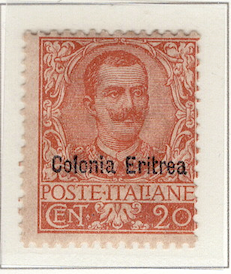
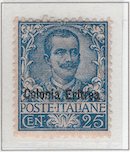
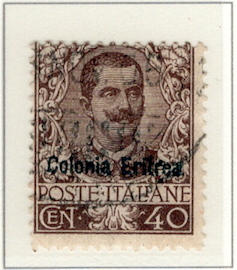
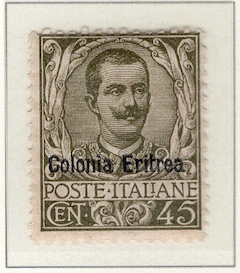
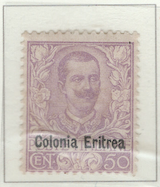
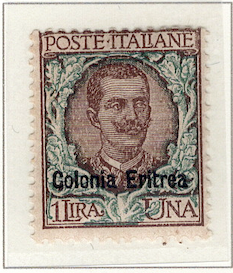
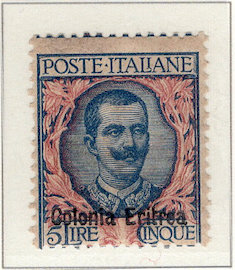
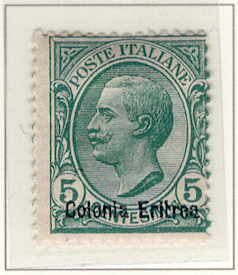
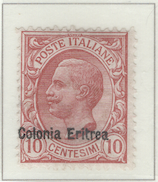
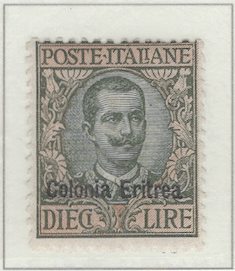
Most of these definitive stamps have the image of the new king. They were designed by the artist, Gaetano Cellini. The image of the king is surrounded by laurels, referred to as laureated or floral design.
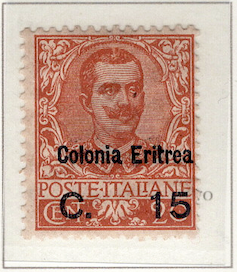
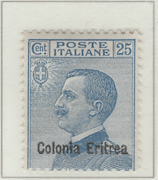
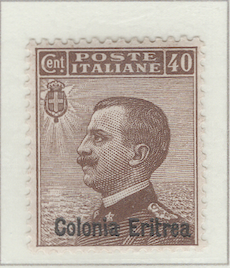
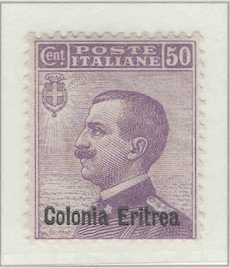
There are also some designed by the artist, Francesco Paolo Michetti. As a result, any stamp using this image are referred to as a Michetti. This gave the stamps a more modern look, compared to the previous 19th century style, as you see in the one by itself on the first row. This new image will be used many times, with a similar one by Michetti with the image of the king facing to his right instead of his left.
Although I like very much the old style of the stamps from the 19th century, I do like the look of the Michetti stamps. It was a good choice at the time for the new century. What I don’t like is the old style of the ones on the last row here. That’s done by a designer named, Leoni. It looks like a statue head made from a woodcarving made from a grainy wood, maybe oak.
Note
This page is still a litle sparse. I bought three of them, recently. Since I’m missing one from each row, since there’s no row that’s completed, the page still looks sparse. If you weren’t sure about what I meant when I say that completing row is satisfying, you should see in this page how unsatisfying are incomplete rows. I’ll feel better when the two stamps I ordered for the fourth and fifth row arrive. Then I’ll have two rows finished and the bottom half of the page will be full.
Contains 18 spots: own 18 – 17 unused, 1 used.
Page is full, but not yet finished.
Album or Web Page Last changed Feb 4, 2025
Stamp Details
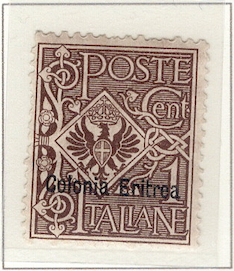
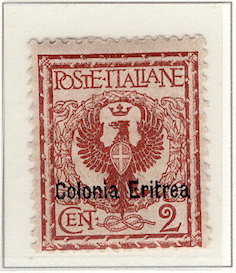
The table below lists information about the stamps shown on this page of Lighthouse’s stamp album. For more details about a particular stamp, click on its description. That will take you to the related web page of Colnect.
spot |
own |
catalog |
subject |
description |
comment |
Savoy Emblem
✓ |
19 |
1c (apr 1903) |
|||
✓ |
20 |
2c (apr 1903) |
|||
✓ |
21 |
5c (apr 1903) |
Cellini Design
✓ |
22 |
10c (apr 1903) |
|||
✓ |
23 |
20c (apr 1903) |
|||
✓ |
24 |
25c (apr 1903) |
|||
✗ |
25 |
40c (apr 1903) |
|||
✓ |
26 |
45c (apr 1903) |
|||
✓ |
27 |
50c (apr 1903) |
|||
✓ |
28 |
1₤ (apr 1903) |
|||
✓ |
29 |
5₤ (apr 1903) |
|||
✓ |
30 |
15c (nov 1905) |
Leoni Design
✓ |
31 |
5c (dec 1908) |
|||
✓ |
32 |
10c (apr 1909) |
Cellini Design
✓ |
40 |
10₤ (apr 1916) |
Michetti Design
✓ |
33 |
25c (nov 1909) |
|||
✓ |
38 |
40c (nov 1916) |
|||
✓ |
39 |
50c (nov 1916) |
Footnotes
Spot refers to the postion of the stamp on the album page (e.g., 3.2 indicates row 3, position 2).
Amt. is an abbreviation for the face amount of the stamp.
Own indicates the stamp status: ✓ for unused; ✗ for used or canceled; ⭑ signifies I ordered one; ; ✨ indicates it was bought recently; ✠ means an auction bid is pending; and ◎ is used, and it costs too much for unused.
To search by catalog number, go to the search box and enter it in the catalog number box. However, it’s a bit broken; I need to fix it.

















