Italian Minaret
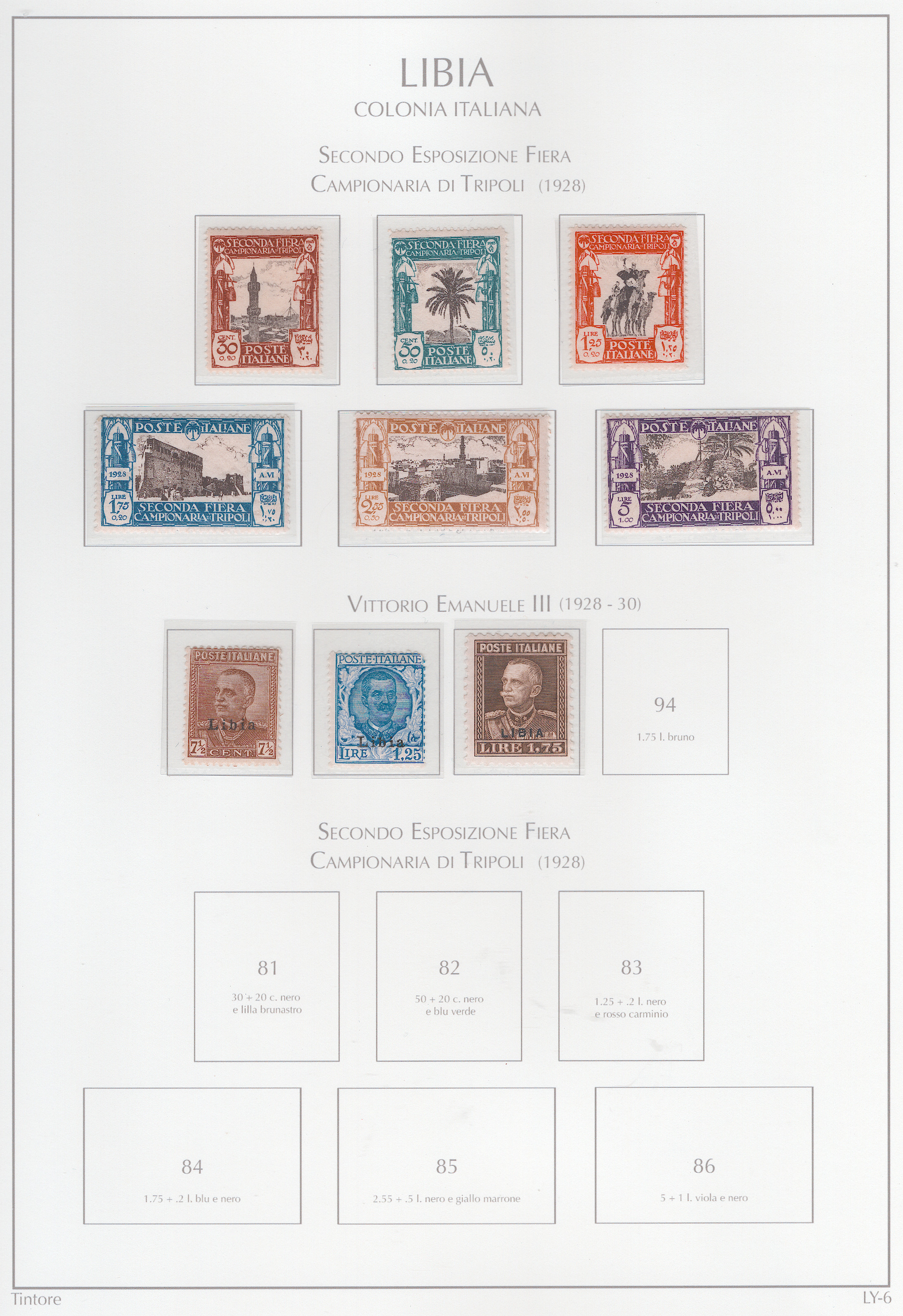
A minaret is a type of tower usually built into or next to a mosque. Its formal job is to give the muezzin a high spot from which to issue the call to prayer (the adhan) five times a day, though minarets also served as landmarks and as symbols of Islam’s presence and of the rulers who built them. The English word comes from the Turkish minare, which comes from the Arabic manāra. That word originally meant a lamp stand, and it shares a root with the Arabic word for light. Today, most mosques use a microphone in the prayer hall that feeds speakers on the minaret.
The earliest mosques had no minarets at all. In Medina, the call to prayer was given from the doorway or roof of Muhammad’s house, and that practice continued under the first four caliphs. Under the Umayyad Caliphate (661 to 750), some mosques added a platform or small shelter on the roof for the muezzin instead of a tower (e.g., at the Mosque of Amr ibn al-As in Fustat in 673). Older scholars thought minarets copied Syrian church towers, but since Jonathan Bloom’s 1989 study most agree that the first true towers appeared in the 9th century under the Abbasids – and that they were symbols of Islam first and a place for the call to prayer later. One of the oldest still standing is at the Great Mosque of Kairouan in Tunisia, built in 836. The Great Mosque of Samarra (848 to 852) has a massive spiral one. Since the Abbasids built them, their rivals the Fatimids generally avoided them, but by the 11th century minarets were a near-universal feature of mosques.
After that, the style depended on the region. In the Maghreb and al-Andalus, minarets typically have a square shaft with a smaller tower on top. In Iran and Central Asia they are usually tapering cylinders, like the Minaret of Jam (c. 1175) and the Qutb Minar in Delhi (1199), which was built on the same model. Mamluk minarets in Cairo were ornate and usually had three tiers separated by balconies. Classical Ottoman ones are slender and pointed, and are often described as pencil-shaped. The tallest are at the Selimiye Mosque in Edirne (1574), at 70.89 meters, while the Blue Mosque in Istanbul has six. In China, the Tower of Light at the Huaisheng Mosque in Guangzhou (1350) blends Islamic and Chinese architecture. Basically, a minaret looks like wherever it was built.
Note
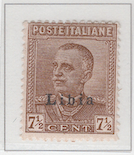
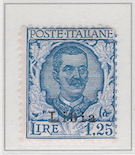
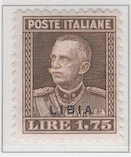
The bottom set of stamps are a little difficult to find and a little pricey, but not too bad. The last stamp on the third row, though, is expensive – the stamp of Vittorio Emanuele III. It may be a long time before I find it, maybe at auction, for a good price.
Contains 16 spots: own 9 – 9 unused, 0 used.
Stamp Details
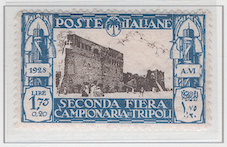
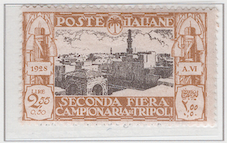
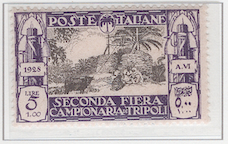
The table below lists information about the stamps shown on this page of Lighthouse’s stamp album. For more details about a particular stamp, click on its description. That will take you to the related web page of Colnect.
spot |
own |
catalog |
subject |
description |
comment |
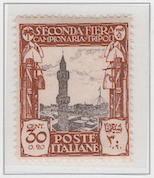
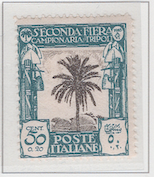
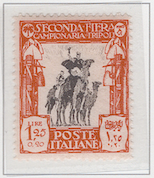
Second Tripoli Trade Expo.
✓ |
72 |
30+20c (feb 1928) |
|||
✓ |
73 |
50+20c (feb 1928) |
|||
✓ |
74 |
1.25+0.20₤ (feb 1928) |
|||
✓ |
75 |
1.75+0.20₤ (feb 1928) |
|||
✓ |
76 |
2.55+0.50₤ (feb 1928) |
|||
✓ |
77 |
5+1₤ (feb 1928) |
Vittorio Emanuele III
✓ |
78 |
7½c (jan 1929) |
|||
✓ |
79 |
1.25₤ (jan 1929) |
|||
✓ |
80 |
1.75₤ (dec 1928) |
|||
94 |
1.75₤ (jan 1930) |
Third Tripoli Trade Expo.
81 |
30+20c (apr 1929) |
mariotti (€ 100) |
|||
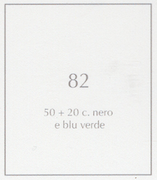
82 |
50+20c (apr 1929) |
ibīdem |
|||
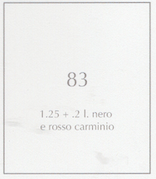
83 |
1.25+0.20₤ (apr 1929) |
ibīdem |
|||
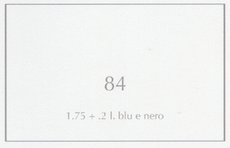
84 |
1.75+0.20₤ (apr 1929) |
ibīdem |
|||
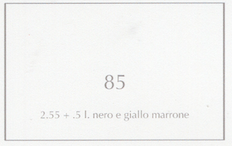
85 |
2.55+0.50₤ (apr 1929) |
ibīdem |
|||
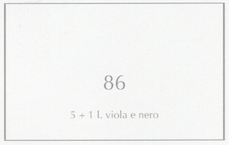
86 |
5+1₤ (apr 1929) |
ibīdem |
Footnotes
Spot refers to the postion of the stamp on the album page (e.g., 3.2 indicates row 3, position 2).
Amt. is an abbreviation for the face amount of the stamp.
Own indicates the stamp status: ✓ for unused; ✗ for used or canceled; ⭑ signifies I ordered one; ; ✨ indicates it was bought recently; ✠ means an auction bid is pending; and ◎ is used, and it costs too much for unused.
To search by catalog number, go to the search box and enter it in the catalog number box. However, it’s a bit broken; I need to fix it.















