Namibia, Africa
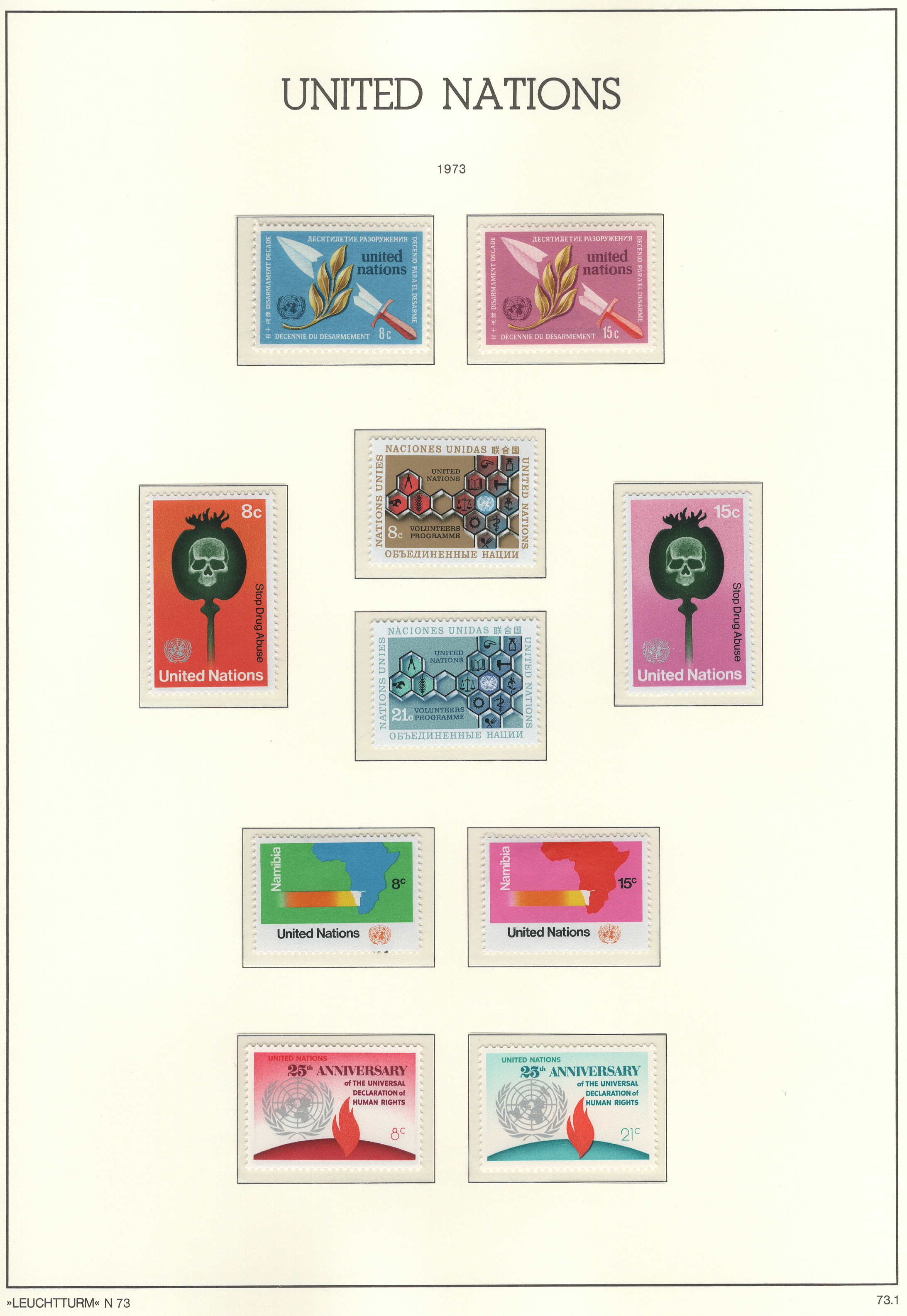
Namibia is located in southwest Africa. It’s has the oldest desert in the world, the Namib desert. Much of the rest of the terrain is semi-desert. From the late 1800s until World War I, the country was a colony of Germany called, German South West Africa. This led to resources being drained from the country and abuses of the locals by Germans.
After the war, Germany relinquished its claim. It became known as South West Africa. Believed unable to manage itself at the time, the League of Nations asigned it to the administration of neighboring South Africa. In the process, the controling English abused the South West Africans as part of the apartheid program.
In 1966, the United Nations’ voted and declared that South Africa had abused and not protected the indigenous people of South West Africa. In 1968, by voted of the General Assembley, the U.N. recognized them by the name of Namibia. However, South Africa still maintained rule over the territory as there was no system of government or self-rule in place. Education was and still is very low in the region, with many people living in tribal villages without modern access to the world. In 1973, the U.N. recognized the first formation and stability of the first political party that was preparing to rule the country. In 1990, Namibia became independent of South Africa and became a member of the United Nations.
Note
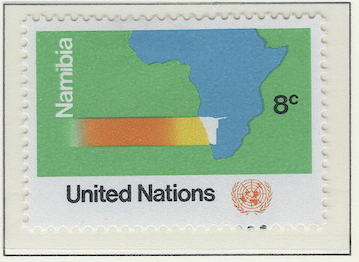
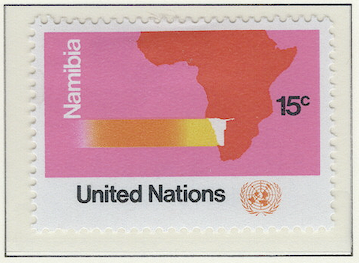
The two stamps on the second to last row of this album page show a map of Africa with an inset for Namibia. They were issued to bring attention to Namibia and the U.N.’s role in their protection.
Something about the country has always fascinated me. It’s like it was somewhat preserved for thousands of years and during my lifetime has evolved to take its first steps as a member of the global community. That may be elitist or racist of something, but I’m prejudicial in their favor.
Contains 10 spots: own 10 – 10 unused, 0 used.
Page is finished.
Album or Web Page Last changed Jun 10, 2025
Stamp Details
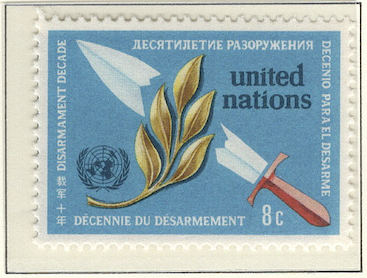
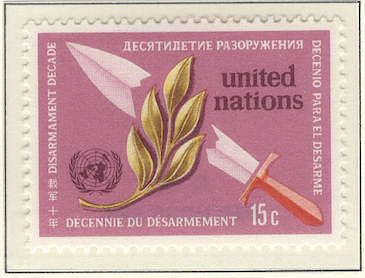
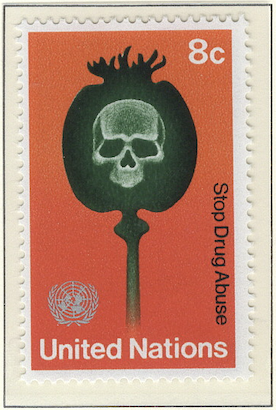
The table below lists information about the stamps shown on this page of Lighthouse’s stamp album. For more details about a particular stamp, click on its description. That will take you to the related web page of Colnect.
spot |
own |
catalog |
subject |
description |
comment |
|---|---|---|---|---|---|
✓ |
234 |
8c (mar 1973) |
|||
✓ |
235 |
15c (mar 1973) |
|||
✓ |
237 |
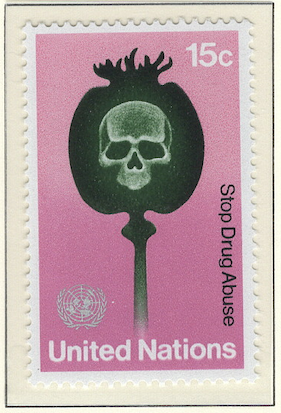
15c (apr 1973) |
|||
✓ |
238 |
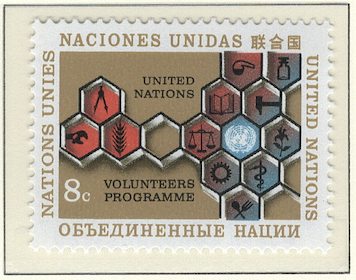
U.N. Volunteer Program |
8c (may 1973) |
||
✓ |
236 |
8c (apr 1973) |
|||
✓ |
239 |
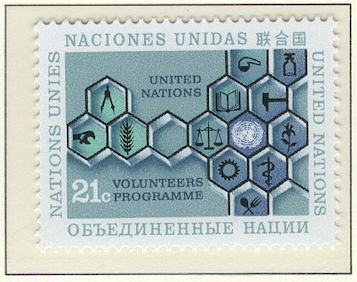
U.N. Volunteer Program |
21c (may 1973) |
||
✓ |
240 |
8c (oct 1973) |
|||
✓ |
241 |
15c (oct 1973) |
|||
✓ |
242 |
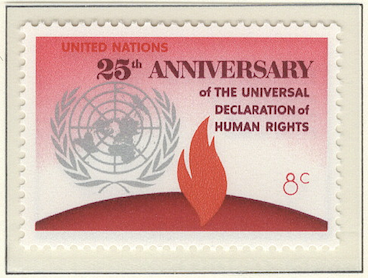
Declaration of Human Rights |
8c (nov 1973) |
||
✓ |
243 |
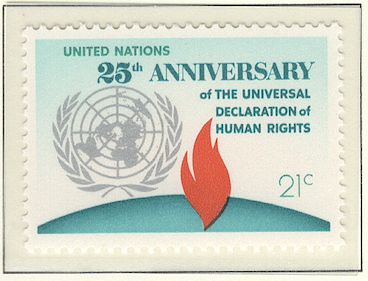
Declaration of Human Rights |
21c (nov 1973) |
Footnotes
Spot refers to the postion of the stamp on the album page (e.g., 3.2 indicates row 3, position 2).
Amt. is an abbreviation for the face amount of the stamp.
Own indicates the stamp status: ✓ for unused; ✗ for used or canceled; ⭑ signifies I ordered one; ; ✨ indicates it was bought recently; ✠ means an auction bid is pending; and ◎ is used, and it costs too much for unused.
To search by catalog number, go to the search box and enter it in the catalog number box. However, it’s a bit broken; I need to fix it.










No Covers Found.