Garfield & Arthur
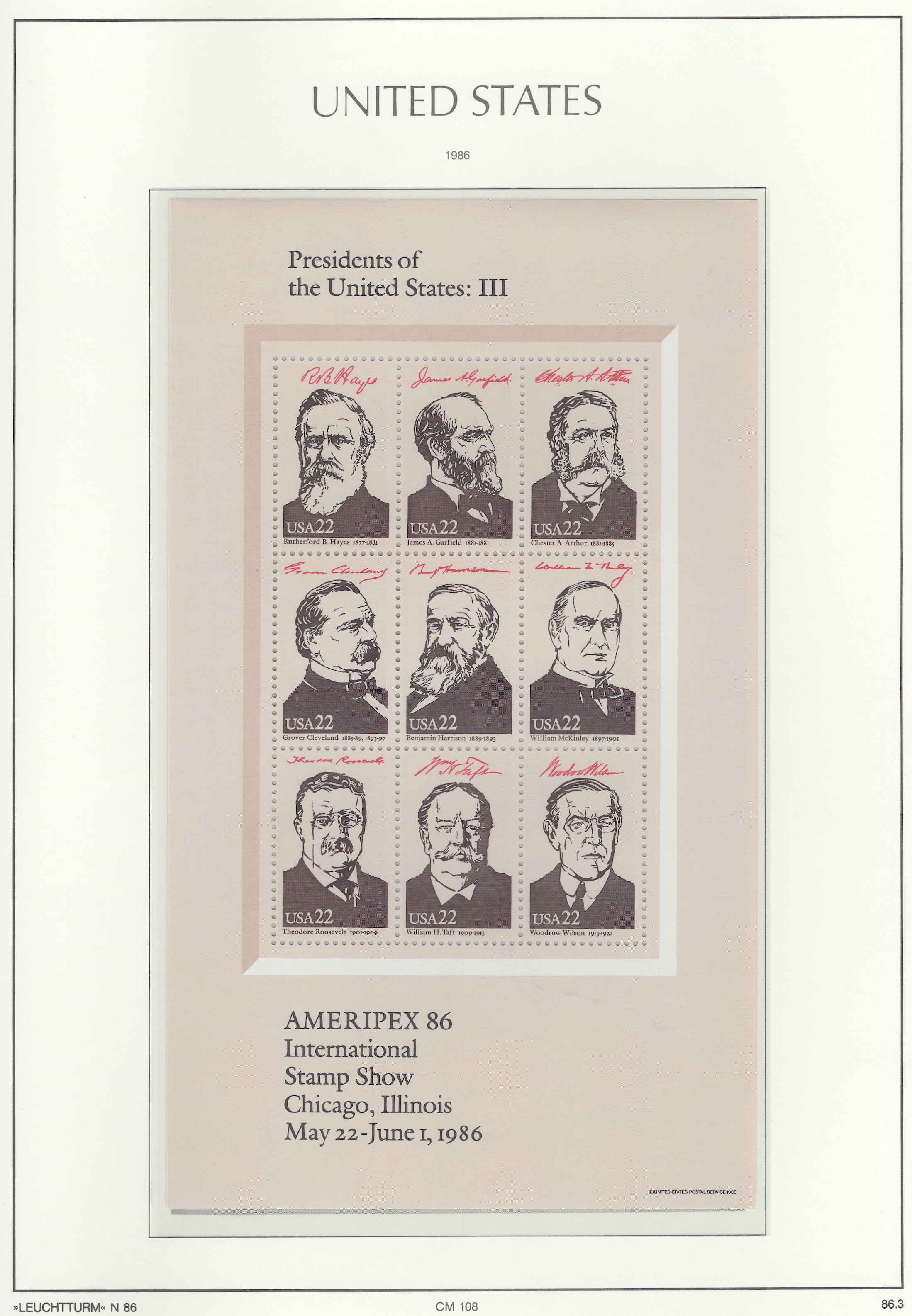
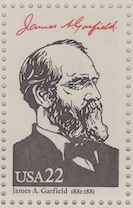
In March 1881, James Garfield became the twentieth President of the United States. His vice-president was Chester Arthur. Both had been Generals in the Union Army during the Civil War. Garfield was a member of the House of Representatives when he was elected President – the only person to do so. Actually, he was elected to the U.S. Senate for Ohio first, but was chosen unexpectedly by the Electoral College to be President before he could be sworn in as Senator.
Somewhat unrelated to Garfield and Arthur, a political supporter, Charles Guiteau asked Garfield and other administration members for a federal appointment. He wanted to be Consul in Paris, but was not given the job or any other government job. He felt that the problem was unrest in the Senate, which confirms such appointments, due to conflicts between the two main political parties. He reasoned that if Garfield would die, things would be more balanced politically and he would then be appointed to a post in Paris. He’s believed to have been narcissistic schizophrenic. In September 1881, Guiteau shot and killed Garfield six months after taking office.
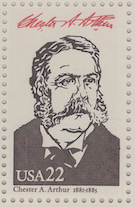
As a result of the assasination, Arthur was made the twenty-first President. Incidentally, he previously was the head of customs, the Collector of the Port of New York. At that time, the Collector was paid a portion of illegal goods seized and fines paid by smugglers he caught. Arthur made plenty from this work, which funded a luxurious lifestyle. As a result, he’s considered by many to have been the best dressed President. A widower from Manhattan and socially well-schooled, he was very attractive to women of the time – although Franklin Pierce is considered to have been the best looking President (see Healey Portrait).

During Garfield’s short presidency, he refinanced the government debt, cutting the interest paid in half. During Arthur’s presidency, the government had a surplus of revenues to expenses, so he cut taxes, drastically. Garfield and Arthur both fought for civil rights for African Americans, as well as others. Garfield negotiated the building of the Panama Canal, and Arthur expanded and began modernizing the U.S. Navy. Between the two of them, they served only one term as President: Arthur chose not to run for another term due to his health. His fellow party members, though, wanted him to run anyway so that whoever he choose as Vice President could take over. He had too much integrity to do that. He died a year after leaving office,
Note
All of these Presidents are interesting. That’s why I’ve written about almost all of them on other album pages, except I hadn’t written about James Garfield or Chester Arthur. That’s why I chose their stories for this page.
Contains 9 spots: own 9 – 9 unused, 0 used.
Page is finished.
Album or Web Page Last changed May 24, 2025
Stamp Details
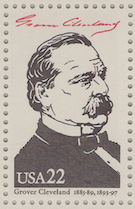
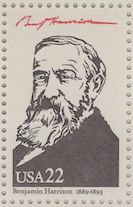
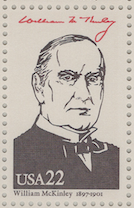
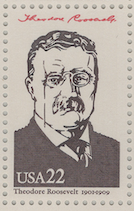
The table below lists information about the stamps shown on this page of Lighthouse’s stamp album. For more details about a particular stamp, click on its description. That will take you to the related web page of Colnect.
spot |
own |
catalog |
subject |
description |
comment |
U.S. Presidents
✓ |
2218a |
22c (may 1986) |
|||
✓ |
2218b |
22c (may 1986) |
|||
✓ |
2218c |
22c (may 1986) |
|||
✓ |
2218d |
22c (may 1986) |
|||
✓ |
2218e |
22c (may 1986) |
|||
✓ |
2218f |
22c (may 1986) |
|||
✓ |
2218g |
22c (may 1986) |
|||
✓ |
2218h |
22c (may 1986) |
|||
✓ |
2218i |
22c (may 1986) |
Footnotes
Spot refers to the postion of the stamp on the album page (e.g., 3.2 indicates row 3, position 2).
Amt. is an abbreviation for the face amount of the stamp.
Own indicates the stamp status: ✓ for unused; ✗ for used or canceled; ⭑ signifies I ordered one; ; ✨ indicates it was bought recently; ✠ means an auction bid is pending; and ◎ is used, and it costs too much for unused.
To search by catalog number, go to the search box and enter it in the catalog number box. However, it’s a bit broken; I need to fix it.








