Post Cold War
The Cold War was a period of geopolitical rivalry between the United States and the Soviet Union and their allies, which began in the aftermath of World War II and ended with the dissolution of the Soviet Union in 1991. It was called “cold” because the two superpowers never fought each other directly, though each backed opposite sides in proxy wars such as Korea and Vietnam. The US declared the Truman Doctrine of containment in 1947, launched the Marshall Plan in 1948 and founded NATO in 1949, and the Soviets answered with the Warsaw Pact in 1955. Europe was split by an “iron curtain,” and Berlin was divided by a wall built on August 13, 1961. The arms race, the Space Race and espionage went on for decades, and the Cuban Missile Crisis of October 1962 is widely considered the closest the two sides came to nuclear war. Mikhail Gorbachev became Soviet leader in 1985, and the revolutions of 1989 in the Eastern Bloc led to the collapse of the USSR.
With no rival left, the United States was the sole superpower, and the early 1990s are often called a unipolar moment. A US-led coalition endorsed by the UN expelled Iraqi forces from Kuwait in the Gulf War of 1991. Washington later led NATO military interventions in the Balkans, in Bosnia in 1995 and in Kosovo in 1999, and it backed the expansion of NATO eastward. At home, defense spending fell sharply, which gave the so-called peace dividend. By one analysis, defense dropped from 28% of federal spending at the end of the 1980s to 16% in 1999, and a deficit of $290 billion in 1992 turned into a surplus of $236 billion in 2000. Interest rates stayed low, and the economy had its longest expansion on record.
The unipolar moment did not last. The September 11 attacks of 2001 came at the peak of American power and led to the wars in Afghanistan and Iraq. Then the financial crisis of 2008, which began in the American banking system, brought a deep recession and is often seen as a key moment in the shift of power toward China. By the end of that period, Russia, China and Iran were challenging American interests in Europe, East Asia and the Middle East respectively. By 2021, competition with China had replaced counterterrorism as the top priority of the US government.
Note
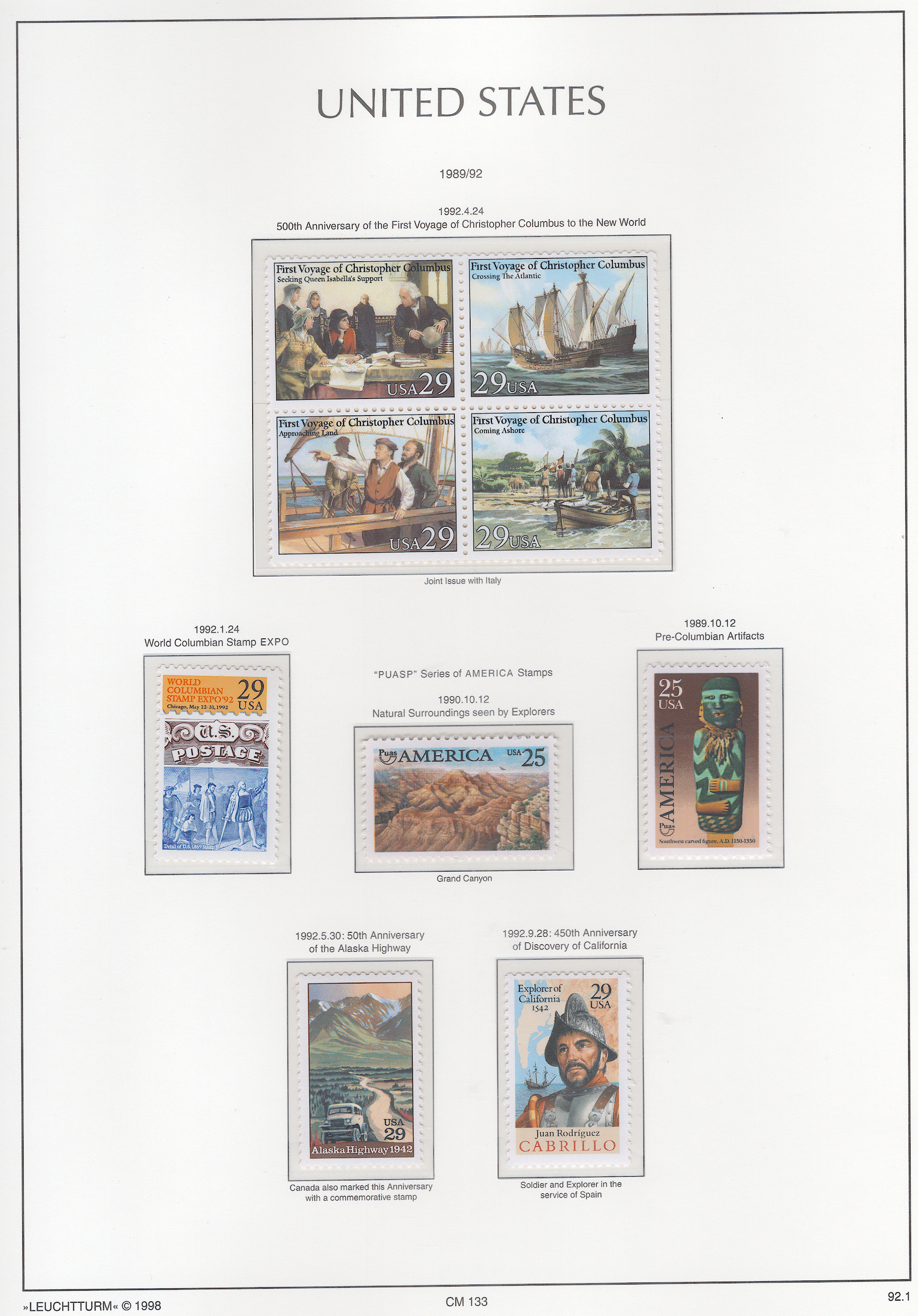
These are all new album pages and new stamps for me. I like the design of many of them. However, I don’t like the plate blocks and sheets commemorating musicians, actors, and other artists. I don’t like the designs or the color choices. They issued too many stamps during this period to sell to collectors to increase revenues – and maybe to pander to the general public.
Contains 9 spots: own 9 – 9 unused, 0 used.
Page is finished.
Album or Web Page Last changed Mar 7, 2025
Stamp Details
The table below lists information about the stamps shown on this page of Lighthouse’s stamp album. For more details about a particular stamp, click on its description. That will take you to the related web page of Colnect.
spot |
own |
catalog |
subject |
description |
comment |
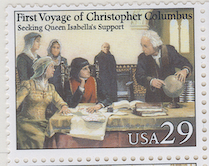
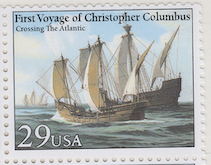
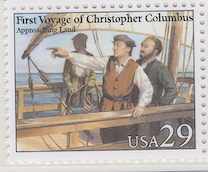
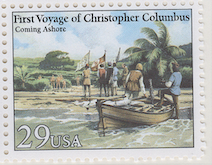
Columbus’ Expeditions - Quintennial
✓ |
2620 |
29c (apr 1992) |
|||
✓ |
2621 |
29c (apr 1992) |
|||
✓ |
2622 |
29c (apr 1992) |
|||
✓ |
2623 |
29c (apr 1992) |
|||
✓ |
2616 |
29c (jan 1992) |
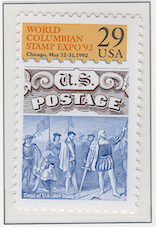
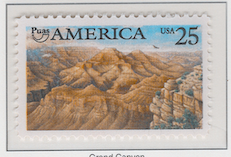
Postal Union of the Americas, et alia
✓ |
2512 |
25c (oct 1990) |
|||
✓ |
2426 |
25c (oct 1989) |
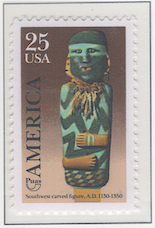
Other
✓ |
2635 |
29c (may 1992) |
|||
✓ |
2704 |
29c (sep 1992) |
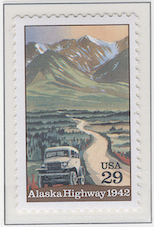
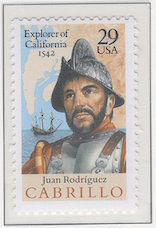
Footnotes
Spot refers to the postion of the stamp on the album page (e.g., 3.2 indicates row 3, position 2).
Amt. is an abbreviation for the face amount of the stamp.
Own indicates the stamp status: ✓ for unused; ✗ for used or canceled; ⭑ signifies I ordered one; ; ✨ indicates it was bought recently; ✠ means an auction bid is pending; and ◎ is used, and it costs too much for unused.
To search by catalog number, go to the search box and enter it in the catalog number box. However, it’s a bit broken; I need to fix it.
remaining stamps & stories in sub-album
page |
story |
note |
used |
need |
ordered |
|---|---|---|---|---|---|
Main Page (Post Cold War) |
✓ |
||||
Columbus Voyages (Post Cold War) |
✓ |
||||
Columbus & Royals (Post Cold War) |
✓ |
||||
Columbus Discovery (Post Cold War) |
✓ |
||||
Dorothy Parker (Post Cold War) |
✓ |
||||
Hummingbirds (Post Cold War) |
✓ |
||||
Wild Flowers (Post Cold War) |
✓ |
||||
Twin Flower (Post Cold War) |
✓ |
||||
Honeysuckle (Post Cold War) |
✓ |
||||
Christmas Toys (Post Cold War) |
✓ |
||||
Joe Louis (Post Cold War) |
✓ |
||||
Children’s Books (Post Cold War) |
✓ |
||||
Aids Ribbon (Post Cold War) |
✓ |
||||
Music Stars (Post Cold War) |
✓ |
||||
Broadway (Post Cold War) |
✓ |
||||
World Cup in U.S. (Post Cold War) |
✓ |
||||
Norman Rockwell (Post Cold War) |
✓ |
||||
Silent Films (Post Cold War) |
✓ |
||||
Chinese New Year (Post Cold War) |
✓ |
||||
Robert Johnson (Post Cold War) |
✓ |
||||
West Heroes (Post Cold War) |
✓ |
||||
Bureau of Engraving (Post Cold War) |
✓ |
||||
Tennessee Williams (Post Cold War) |
✓ |
||||
Great Lake Lighthouses (Post Cold War) |
✓ |
||||
Autumn Flowers (Post Cold War) |
✓ |
||||
Civil War Stickers (Post Cold War) |
✓ |
20 |
20 |
||
Old Comics (Post Cold War) |
✓ |
||||
Louis Armstrong (Post Cold War) |
✓ |
||||
Rickenbacker (Post Cold War) |
✓ |
||||
Main Page (Definitives) |
✓ |
||||
Chrismas Stockings (Definitives) |
✓ |
||||
G Flags (Definitives) |
✓ |
||||
19th Century Christmas (Definitives) |
✓ |









- Columbus Voyages
- Columbus & Royals
- Columbus Discovery
- Dorothy Parker
- Hummingbirds
- Wild Flowers
- Twin Flower
- Honeysuckle
- Christmas Toys
- Joe Louis
- Children’s Books
- Aids Ribbon
- Music Stars
- Broadway
- World Cup in U.S.
- Norman Rockwell
- Silent Films
- Chinese New Year
- Robert Johnson
- West Heroes
- Bureau of Engraving
- Tennessee Williams
- Great Lake Lighthouses
- Autumn Flowers
- Civil War Stickers
- Old Comics
- Louis Armstrong
- Rickenbacker