Flags: Algeria & Lesotho
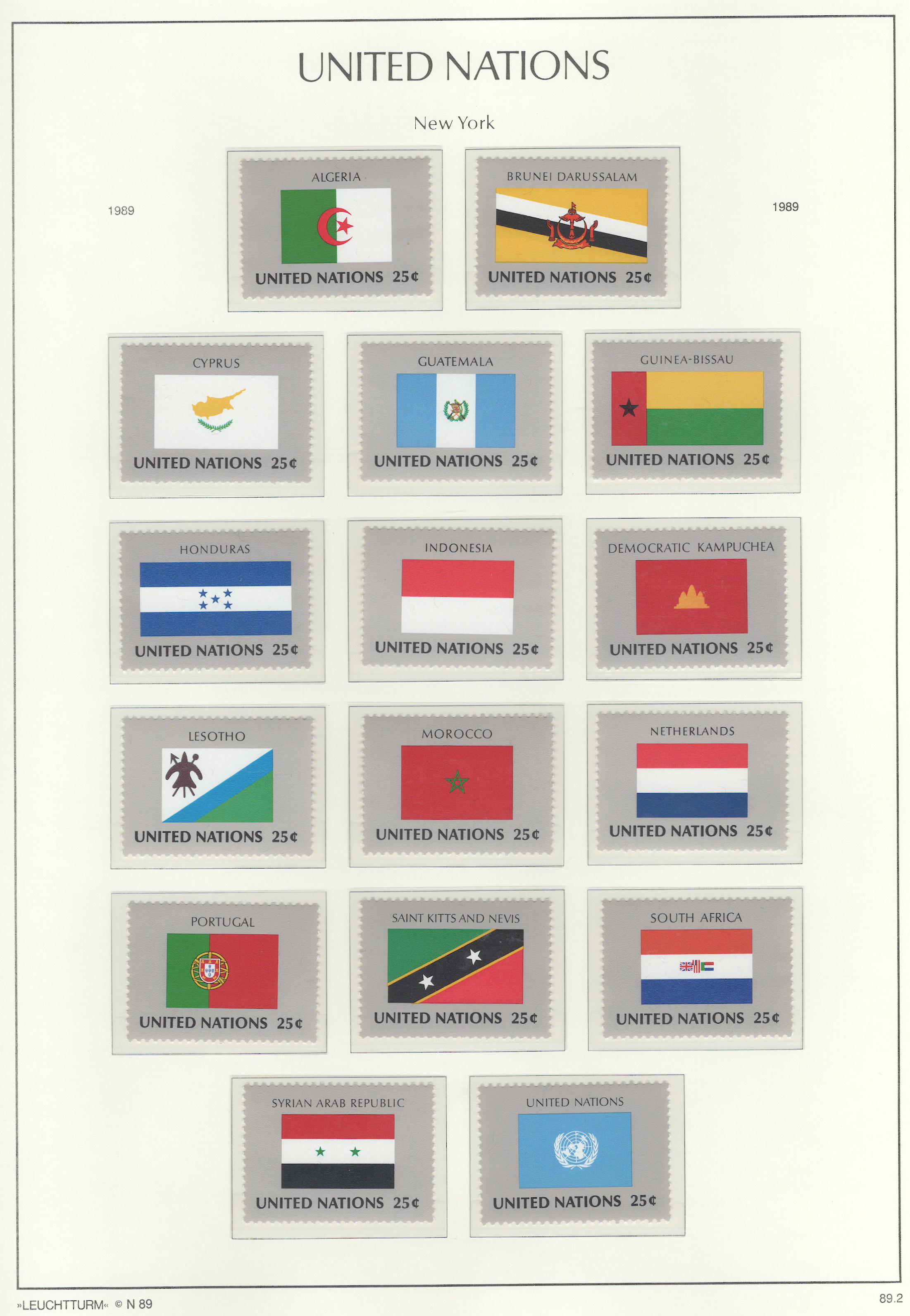
For designing a flag, the North American Vexillological Association recommends a booklet by Ted Kaye called, Good Flag, Bad Flag. Based on it’s criteria, Algeria and Lesotho flags are very good. The following analysis uses Ted Kaye booklet for that assessment:
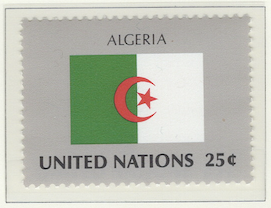
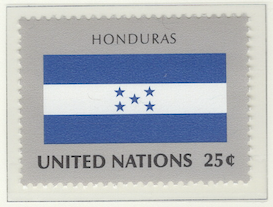
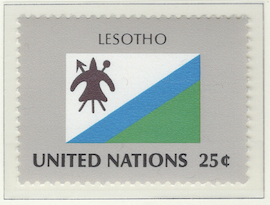
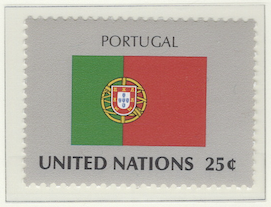
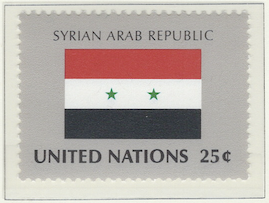
Keep It SimpleThe U.N. flag is moderately simple, but imposible for a child to draw given the world map in the midst of laurel leaves. The Lesotho map has an charge image that’s not too difficult for its school children to draw, but may yield fun results. The Morroco flag is simple, using only two colors, but the hollow star, drawn as a child would, would get lost visually in battle and without a wind.Use Meaningful SymbolismThe Kampuchea (i.e., Cambodia) flag has a red field with a charge showing a silouette of a Hindu-Budhist temple in the background, which is very much part of their history and ideology. Syria’s flag is similar to that of Iraq and meant to symbolize their kinship and desire to unite. Algeria has two equal size background colors and one color for the usual Islam symbol. It’s clean and easy to spoke in battle and when at rest.Use a Few Basic ColorsIndonesia uses only two colors, but they’re the same as Polland, but inverted. Honduras uses only two colors, but the cluster of five stars to make an H is distracting and violates the next rule. The Netherlands uses only three colors, but it’s too ismilar to other European flags.No Lettering or SealsThe flags of Brunei, Guatemala, Portugal, and the U.N. violate this rule. South Africa violates it in a unique way by including three other flags within its flag. I’m not sure why they thought that would look good.Be Distinctive or Be RelatedLesotho’s three background colors are displayed diagonally, which is unusual for a flag. The charge is a silouette of a Lesotho shield, crossed with a lance and club of the indigenous people. It looks distinctive and attractive. Unfortunately, the changed this flag years later to make the stripes horizontal and the charge went back to their first flag, which had a silouette of a mokorotlo – a type of straw hat.
Note
I’m so tired of analyzing and critiquing country flags. This page should be the last one, but there are three more because some countries changed their name and flag, and some new countries joined the U.N.
Contains 16 spots: own 16 – 16 unused, 0 used.
Page is finished.
Album or Web Page Last changed Jun 12, 2025
Stamp Details
The table below lists information about the stamps shown on this page of Lighthouse’s stamp album. For more details about a particular stamp, click on its description. That will take you to the related web page of Colnect.
spot |
own |
catalog |
subject |
description |
comment |
Flag Series
✓ |
566 |
25c (sep 1989) |
|||
✓ |
567 |
25c (sep 1989) |
|||
✓ |
564 |
25c (sep 1989) |
|||
✓ |
565 |
25c (sep 1989) |
|||
✓ |
556 |
25c (sep 1989) |
|||
✓ |
562 |
25c (sep 1989) |
|||
✓ |
554 |
25c (sep 1989) |
|||
✓ |
563 |
25c (sep 1989) |
|||
✓ |
560 |
25c (sep 1989) |
|||
✓ |
557 |
25c (sep 1989) |
|||
✓ |
555 |
25c (sep 1989) |
|||
✓ |
559 |
25c (sep 1989) |
|||
✓ |
568 |
25c (sep 1989) |
|||
✓ |
558 |
25c (sep 1989) |
|||
✓ |
569 |
25c (sep 1989) |
|||
✓ |
561 |
25c (sep 1989) |
Footnotes
Spot refers to the postion of the stamp on the album page (e.g., 3.2 indicates row 3, position 2).
Amt. is an abbreviation for the face amount of the stamp.
Own indicates the stamp status: ✓ for unused; ✗ for used or canceled; ⭑ signifies I ordered one; ; ✨ indicates it was bought recently; ✠ means an auction bid is pending; and ◎ is used, and it costs too much for unused.
To search by catalog number, go to the search box and enter it in the catalog number box. However, it’s a bit broken; I need to fix it.






No Covers Found.