Fighting Malaria
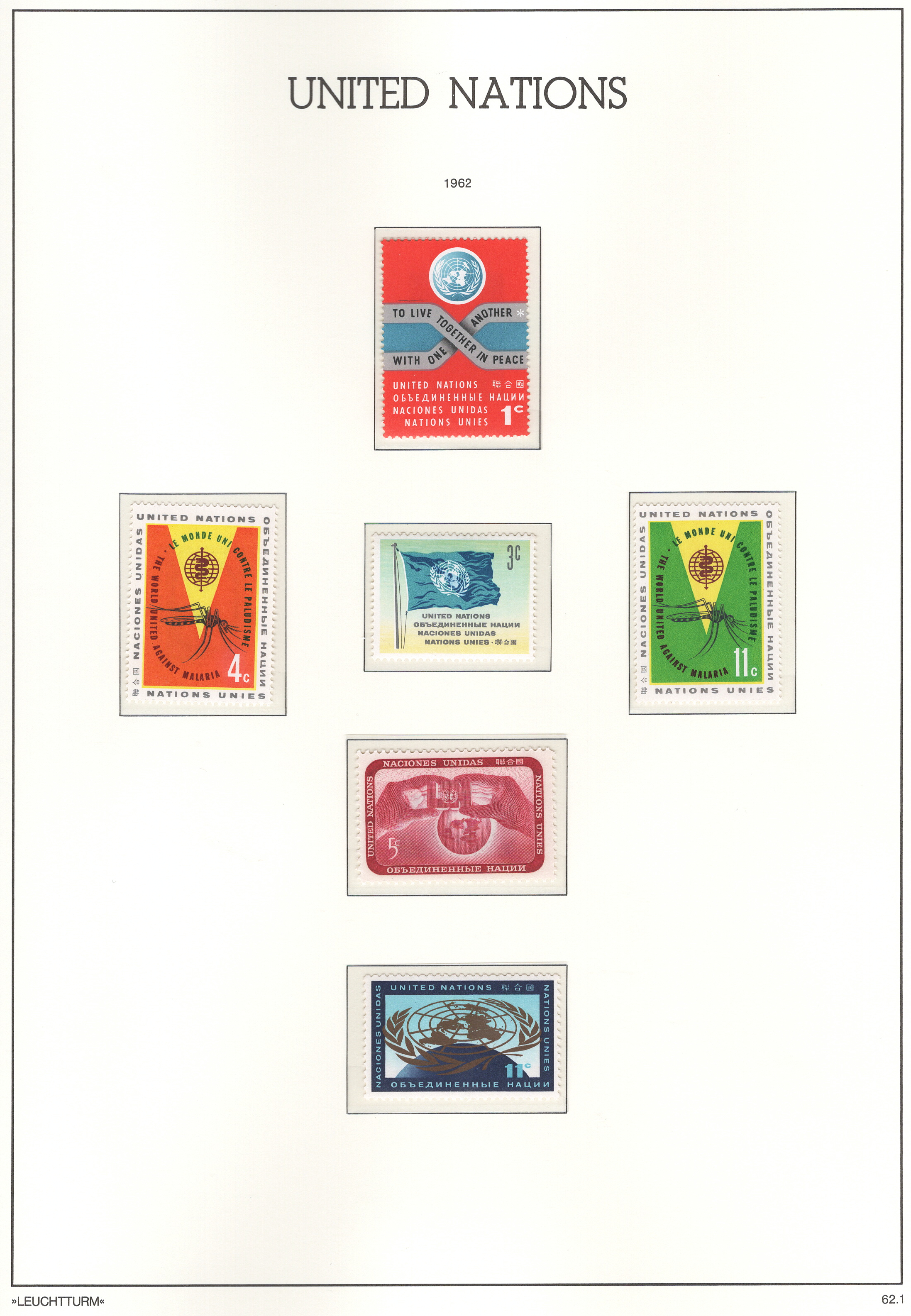
Malaria is a disease that infects humans, usually from a moisquito bite – from a mosquito that’s carying the single-cell organism. The moisquito won’t live long with malaria, but if it bites someone, the malaria organism can be transferred by its saliva into their blood steam. From there, it will travel to the liver where it will reproduce and spread. Within one to fifteen days the infected person will show symptoms: fatigue, fever, headache, and vomiting. If untreated, it could lead to jaundice, seizures, coma, and death.
While malaria once was wide spread around the world, due to preventative measures (e.g., removing standing water where moisquitos breed, use of screens on windows) and vacinations in vulnerable areas, it has been reduced greatly – with about ninety-five percent of infections found only in sub-Sahara Africa. Still, there are over two-hundred forty million infections of malaria in humans a year, with about six-hundred thousand resulting in death.
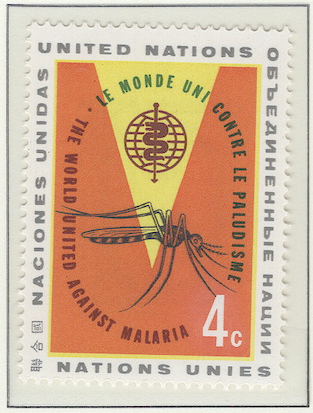
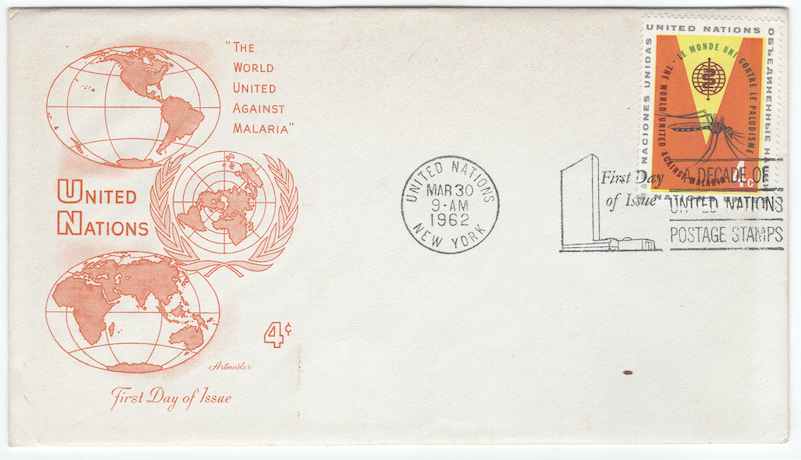
Fighting malaria is a major program of the United Nations, through its World Health Organization and it’s World Children’s Fund (UNICEF), it has worked for decades to educate the public on how to reduce and prevent malaria infections. They’ve also distributed and administered vaccines for children – who are most effected – as well as treatments for infections. The two end stamps on the second row of this album were issued in 1962 to promote this cause. The result the WHO and UNICEF efforts has been a major reduction in malaria around the world, and a total elimination in Europe – including Italy by 1969, which was one of the most infected countries of Europe.
Note
The word malaria is a compound of two Italian words, male for bad and aria for air – bad air. They thought originally that the disease came from marsh gases during the Summer. They were close: it came from mosquitos around the marsh, biting people during the Summer. It always irked me when I’ve rented apartments or hotel rooms in Italy that have no screens on the windows and no air conditioners, forcing me to leave the windows open in the hot Summer nights. These are the people that invented the world, malaria. They should know better.
Contains 6 spots: own 6 – 6 unused, 0 used.
Page is finished.
Album or Web Page Last changed Jun 10, 2025
Stamp Details
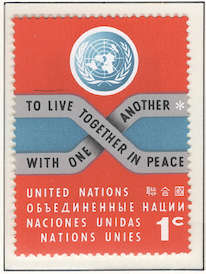
The table below lists information about the stamps shown on this page of Lighthouse’s stamp album. For more details about a particular stamp, click on its description. That will take you to the related web page of Colnect.
spot |
own |
catalog |
subject |
description |
comment |
|---|---|---|---|---|---|
✓ |
104 |
1c (may 1962) |
|||
✓ |
102 |
4c (mar 1962) |
|||
✓ |
105 |
3c (may 1962) |
|||
✓ |
103 |
11c (mar 1962) |
|||
✓ |
106 |
5c (may 1962) |
|||
✓ |
107 |
11c (may 1962) |
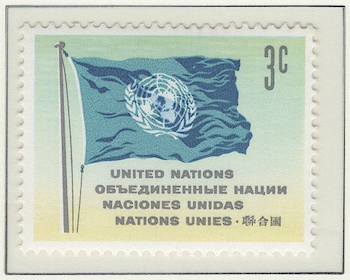
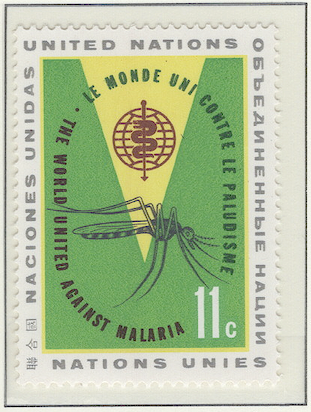
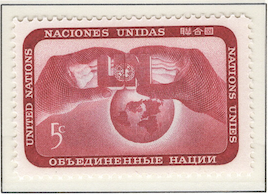
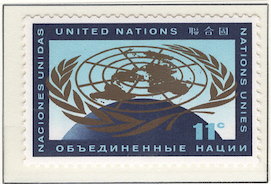
Footnotes
Spot refers to the postion of the stamp on the album page (e.g., 3.2 indicates row 3, position 2).
Amt. is an abbreviation for the face amount of the stamp.
Own indicates the stamp status: ✓ for unused; ✗ for used or canceled; ⭑ signifies I ordered one; ; ✨ indicates it was bought recently; ✠ means an auction bid is pending; and ◎ is used, and it costs too much for unused.
To search by catalog number, go to the search box and enter it in the catalog number box. However, it’s a bit broken; I need to fix it.






