Life in Libia
In 1934, the governor Italo Balbo united Tripolitania, Cyrenaica and the Fezzan into a single colony called Libia. It was considered the new “America” for Italian emigrants in the 1930s, and Balbo pushed settlement. In October 1938, about 20,000 settlers arrived in a single convoy, and 26 new agricultural villages were built for them. By 1940 there were roughly 110,000 Italians in Libya, about 12 percent of the population. Settlement was run by a state corporation, the Libyan Colonization Society, which offered credit to the settlers. The best land went to them, mostly for olive groves.
Life for Libyans was a lot harder. In Cyrenaica, the Italians put down a resistance led by Omar al-Mukhtar, who was captured and hanged in 1931. Under the military commander Rodolfo Graziani, more than 100,000 people were moved into concentration camps on the coast, and tens of thousands died there, though estimates vary. Bedouin grazing lands were bought or confiscated for the settlers, and livestock numbers collapsed – sheep went from 810,000 in 1926 to 98,000 in 1933. Survivors were released in 1934, but in some cases their houses were already occupied by Italians.
The Italians did build plenty in the 1930s, such as ports, roads and the Via Balbo, a coastal highway from Tripoli to Tobruk. They also excavated the ruins of Leptis Magna and used it as a symbol of their right to be there. Mussolini liked to call the Libyans “Muslim Italians.” In 1939 some of them were granted a limited special Italian citizenship. However, little was done that directly improved the living standards of the Arab population. This lasted until 1943, when the Allies defeated the Italians in Libya.
Note
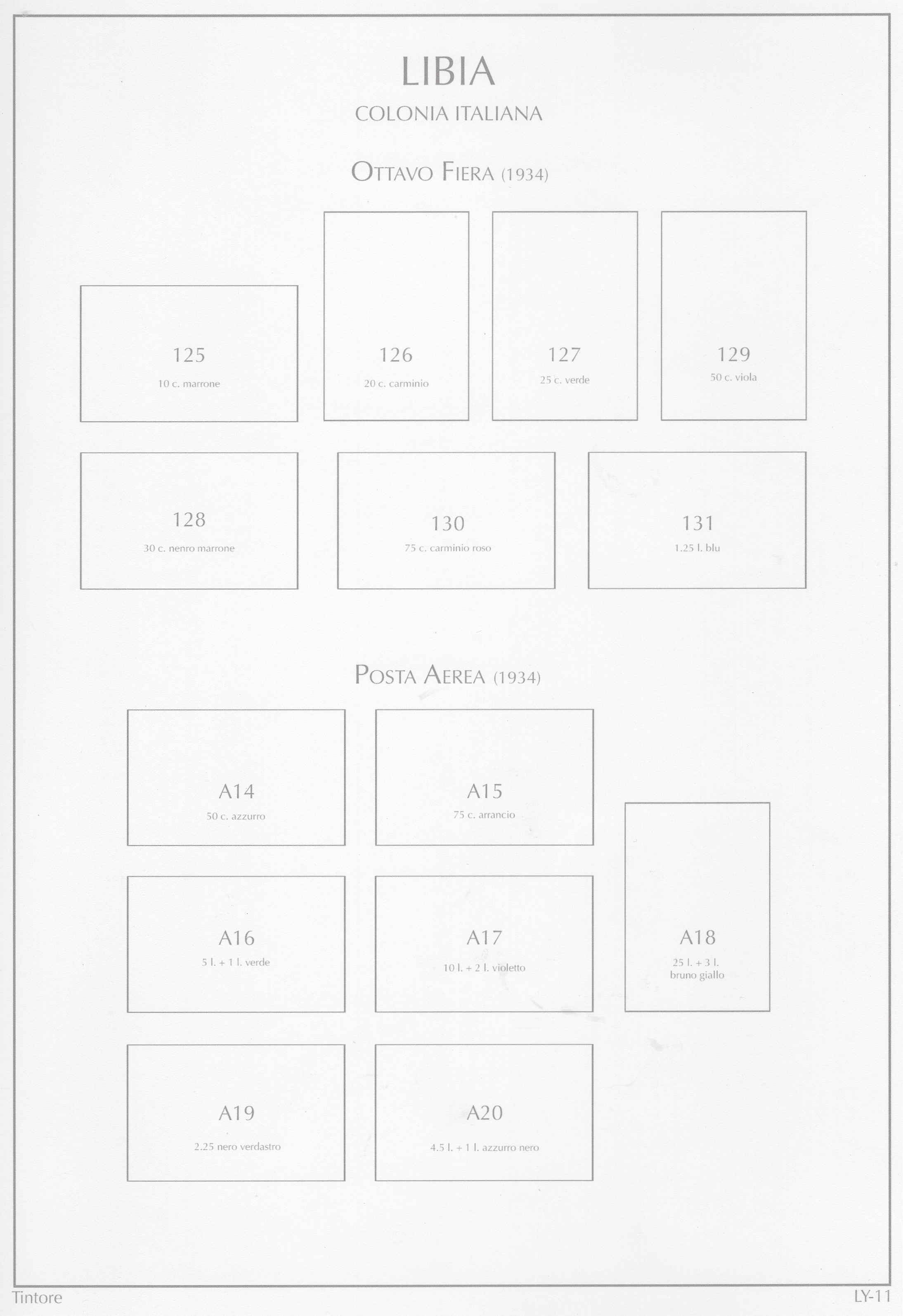
I’ve always hated having blank stamp album pages, which is the main reason I was opposed to using albums instead of plain stock books. They’re obnoxious flags that you’re missing whole chunks, at least sets of stamps. I’d like to fill this page and complete this album of Libyan stamps, but these are particularly pricey. So it may be a while before I get them.
Contains 14 spots: own 0 – 0 unused, 0 used.
Stamp Details
The table below lists information about the stamps shown on this page of Lighthouse’s stamp album. For more details about a particular stamp, click on its description. That will take you to the related web page of Colnect.
spot |
own |
catalog |
subject |
description |
comment |
Eighth Tripoli Trade Expo.
125 |
10c (feb 1934) |
mariotti (€ 300) |
|||
126 |
20c (feb 1934) |
ibīdem |
|||
127 |
25c (feb 1934) |
ibīdem |
|||
129 |
50c (feb 1934) |
ibīdem |
|||
128 |
30c (feb 1934) |
ibīdem |
|||
130 |
75c (feb 1934) |
ibīdem |
|||
131 |
1.25₤ (feb 1934) |
ibīdem |
Eighth Tripoli Trade Expo. - Air Mail
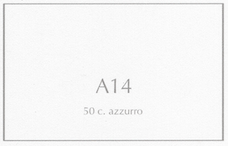
A14 |
50c (feb 1934) |
ibīdem |
|||
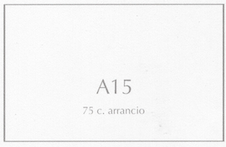
A15 |
75c (feb 1934) |
ibīdem |
|||
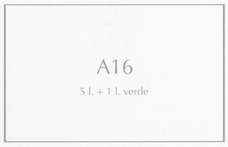
A16 |
5+1₤ (feb 1934) |
ibīdem |
|||
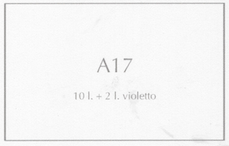
A17 |
10+2₤ (feb 1934) |
ibīdem |
|||
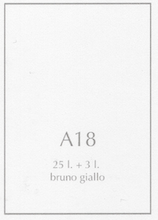
A18 |
25+3₤ (feb 1934) |
ibīdem |
|||
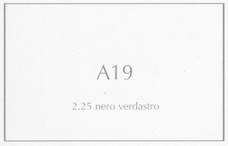
A19 |
2.25₤ (feb 1934) |
ibīdem |
|||
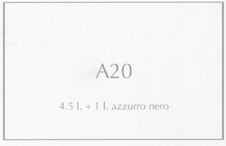
A20 |
4.50+1₤ (feb 1934) |
ibīdem |
Footnotes
Spot refers to the postion of the stamp on the album page (e.g., 3.2 indicates row 3, position 2).
Amt. is an abbreviation for the face amount of the stamp.
Own indicates the stamp status: ✓ for unused; ✗ for used or canceled; ⭑ signifies I ordered one; ; ✨ indicates it was bought recently; ✠ means an auction bid is pending; and ◎ is used, and it costs too much for unused.
To search by catalog number, go to the search box and enter it in the catalog number box. However, it’s a bit broken; I need to fix it.













