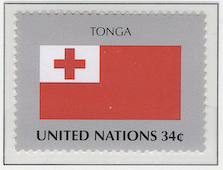
Flags: Tonga & Nauru
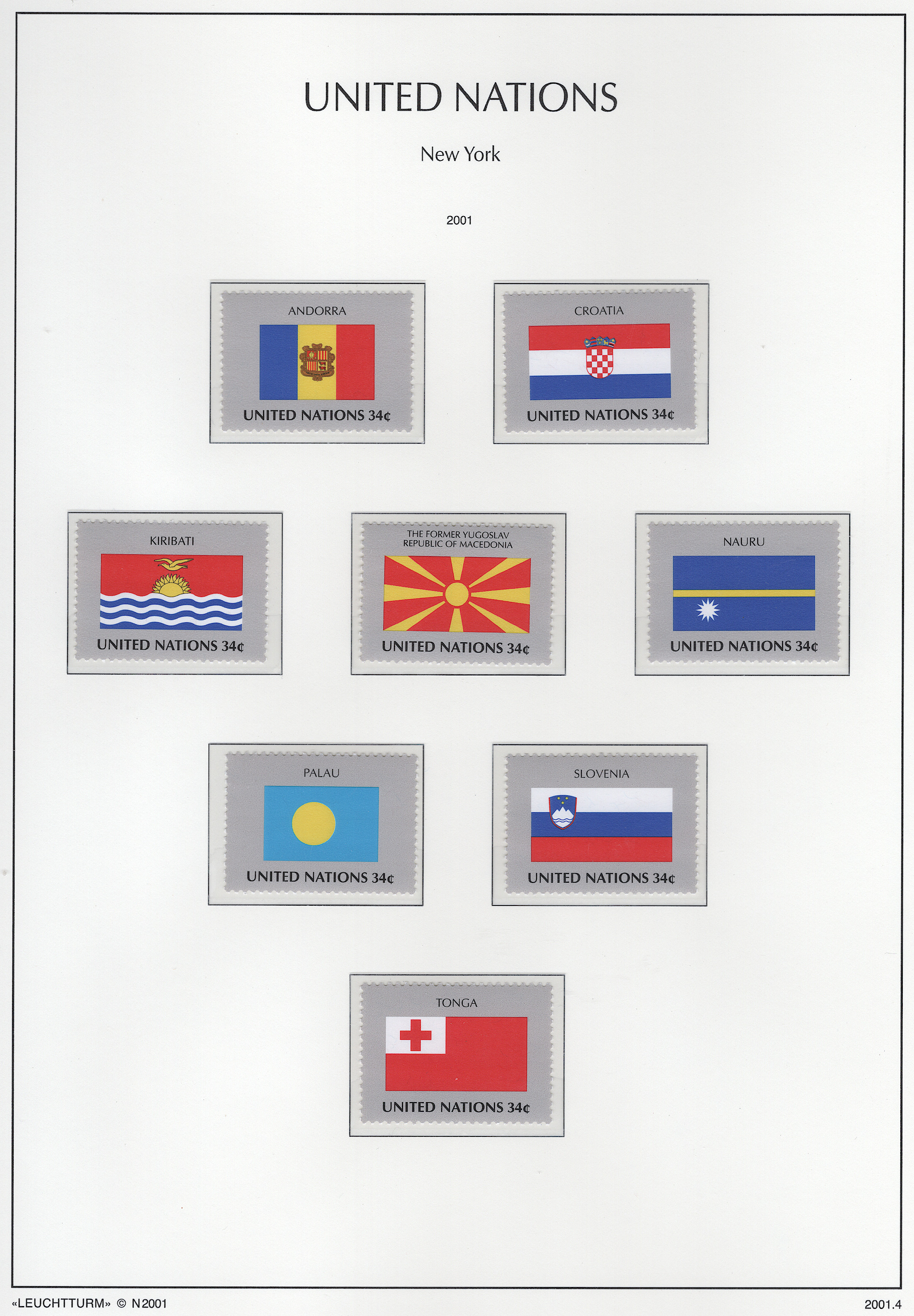
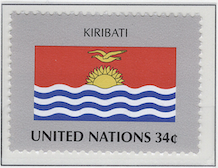
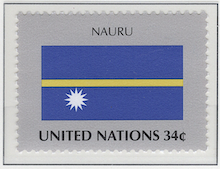
These are flags for new members of the United Nations, such as Kiribati, Nauru, and Tonga in September 1999 and Tuvalu in 2000. For designing a flag, the North American Vexillological Association recommends a booklet by Ted Kaye called, Good Flag, Bad Flag. Based on it’s criteria, Tonga and Nauru flags are good. The following analysis uses Ted Kaye booklet for assessing these two and others here:
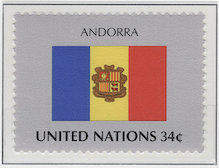
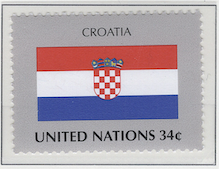
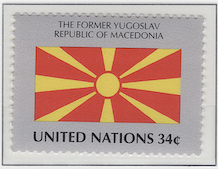
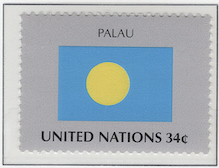
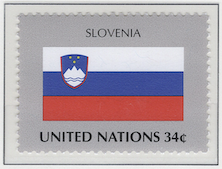
Keep It SimpleThe Palau flag is certainly simple, but I don’t find it very attractive. The dull yellow against the slightly light blue aren’t very appealing and somewhat drab. The test, by the way, for simplisticy is whether school children can easily draw their country’s flag. Palau meets that, but Tonga’s flag is almost as simple and still an attractive color combination.Use Meaningful SymbolismThe Tonga flag has a cross in the top left, in the canton – tying it to the dominance of Christianity on the island. The Nauru flag is fairly simple, but still meaningful. The blue field represents the Pacific Ocean; the gold stripe represents the equator with the star for the relative location for the island of Nauru. The twelve stars symbolizes the twelve tribes of Nauru.Use a Few Basic ColorsNauru and Slovenia each use only three colors, two of Slovenia’s color they reuse for the crest – except they have a touch of yellow or gold for the small stars. Macedonia, Palau, Tonga each have only two colors. Again, Tonga has the best color contrast.No Lettering or SealsThe flags of Andorra, Croatia, and Slovenia all violate the rule of no seals – Andorra being the most detailed. Very few children could reproduce these flags, and they’re not very discernible in battle. Maybe Slovenia is using more of a logo than a crest.Be Distinctive or Be RelatedThe Tonga flag isn’t too distinctive. It’s similar to the Swiss flag with the red and white combination to make a Chritian cross on the canton. The red field is similar to the British ensign, which ties it to the colonial heritage. The pairing makes for some distinctiveness and relativeness.
Note
The Macedonia stamp is odd. First, the name for the country: The Former Yugoslav Republic of Macedonia. That seems to be because Greece was disputing their right to use the name Macedonia since that was partly in Greece at one time. With Greece’s approval, they changed their name the North Macedonia – although most people call them Macedonia. Second, their flag looks like a Southeast Asian country’s flag: it has the colors of Vietnam’s flag and a similar design to Tibet’s flag.
Contains 8 spots: own 8 – 8 unused, 0 used.
Page is finished.
Album or Web Page Last changed Dec 14, 2025
Stamp Details
The table below lists information about the stamps shown on this page of Lighthouse’s stamp album. For more details about a particular stamp, click on its description. That will take you to the related web page of Colnect.
spot |
own |
catalog |
subject |
description |
comment |
Flag Series
✓ |
801 |
34 (may 2001) |
|||
✓ |
798 |
34 (may 2001) |
|||
✓ |
800 |
34 (may 2001) |
|||
✓ |
799 |
34 (may 2001) |
|||
✓ |
802 |
34 (may 2001) |
|||
✓ |
796 |
34 (may 2001) |
|||
✓ |
795 |
34 (may 2001) |
|||
✓ |
797 |
34 (may 2001) |
Footnotes
Spot refers to the postion of the stamp on the album page (e.g., 3.2 indicates row 3, position 2).
Amt. is an abbreviation for the face amount of the stamp.
Own indicates the stamp status: ✓ for unused; ✗ for used or canceled; ⭑ signifies I ordered one; ; ✨ indicates it was bought recently; ✠ means an auction bid is pending; and ◎ is used, and it costs too much for unused.
To search by catalog number, go to the search box and enter it in the catalog number box. However, it’s a bit broken; I need to fix it.








No Covers Found.