Columbus Discovery
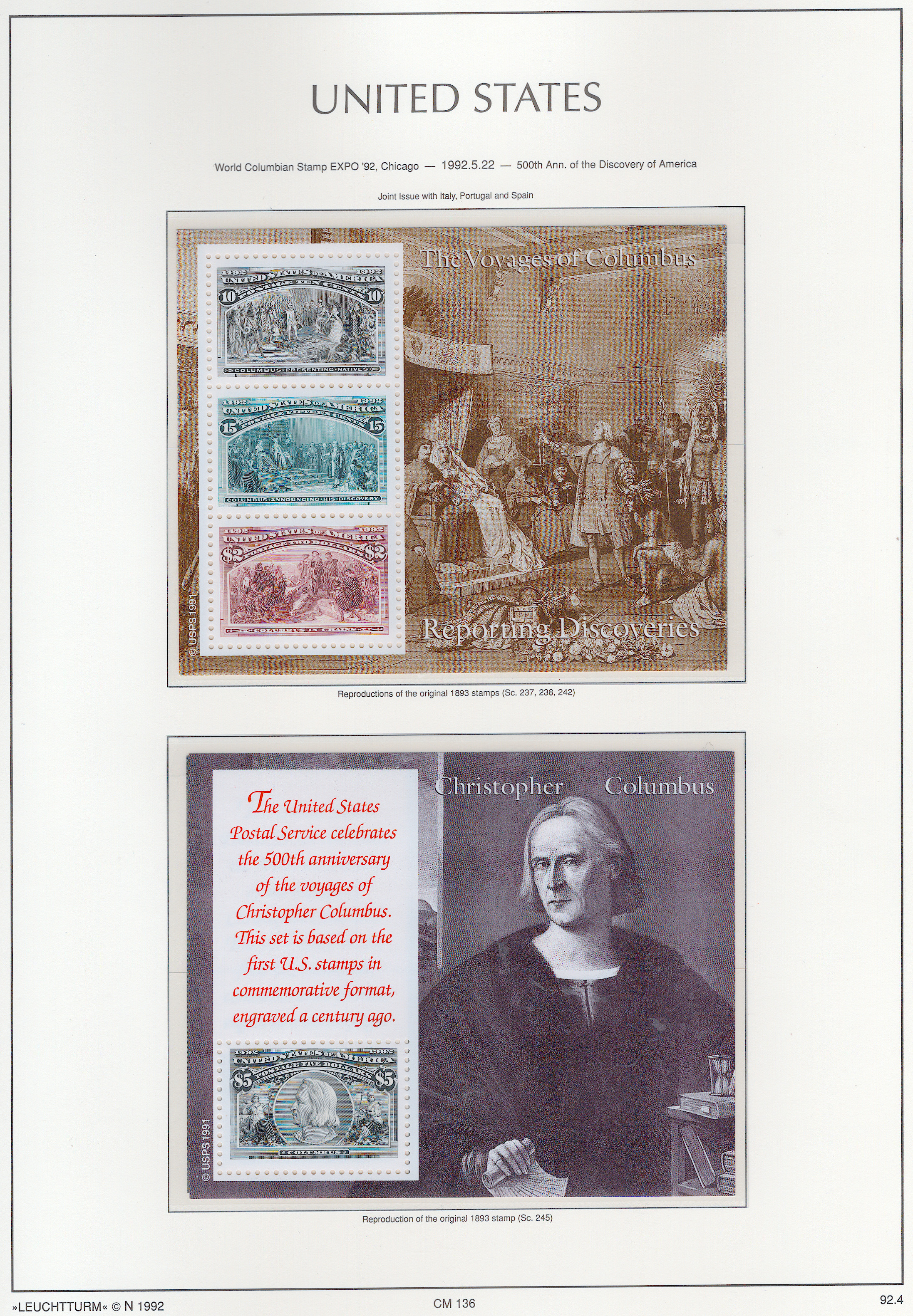
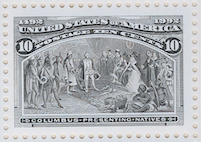
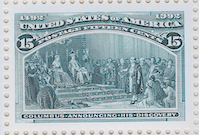
After returning to Spain in March 1493, Columbus went to Barcelona to report to Ferdinand and Isabella. He showed them a few small samples of gold, pearls, gold jewelry from the Indigenous people, flowers, a hammock, and some Taíno he had captured. However, he had not brought back any of the spices he was looking for. Basically, he had to sell the voyage on the promise of gold, and he exaggerated how much of it there was.
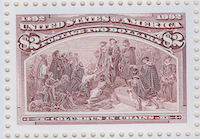
In October 1500, the new governor of the Americas, Francisco de Bobadilla, had Columbus and his brother Diego put in chains aboard a ship at Santo Domingo. Complaints about the Columbus brothers had been piling up, including that they had executed Spanish colonists. Columbus stayed in chains for the whole voyage to Spain, and after about six weeks in jail he and his brothers were released. On December 12, 1500, the king and queen received him at the Alhambra palace in Granada, where he wore shortened sleeves so the marks on his skin would show.
The Capitulations of Santa Fe, signed on April 17, 1492, promised Columbus the titles of viceroy and governor of any lands he claimed for Spain. He ruled Hispaniola from the settlement of La Isabela, founded in January 1494, and set up a tribute system in which Indigenous people had to pay gold dust or cotton. As a result, many of them could not meet the quota, since there was not much gold on the island, and the system had mostly collapsed by 1497. Rebellious settlers and complaints at court ended his time as governor, and on September 3, 1501, Nicolás de Ovando was named to replace him.
Note
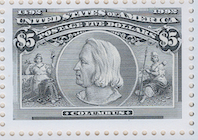
For me, the nice part about these reprints is that I don’t have the original two-dollar or five-dollar stamps. They’re expensive used and much more so in unused condition. It might be a long time, maybe years before I get them – if ever.
Contains 4 spots: own 4 – 4 unused, 0 used.
Page is finished.
Album or Web Page Last changed Mar 7, 2025
Stamp Details
The table below lists information about the stamps shown on this page of Lighthouse’s stamp album. For more details about a particular stamp, click on its description. That will take you to the related web page of Colnect.
spot |
own |
catalog |
subject |
description |
comment |
Columbus’ Expeditions - Quintennial
✓ |
2628a |
10c (may 1992) |
|||
✓ |
2628b |
15c (may 1992) |
|||
✓ |
2628c |
$2 (may 1992) |
|||
✓ |
2629a |
$5 (may 1992) |
Footnotes
Spot refers to the postion of the stamp on the album page (e.g., 3.2 indicates row 3, position 2).
Amt. is an abbreviation for the face amount of the stamp.
Own indicates the stamp status: ✓ for unused; ✗ for used or canceled; ⭑ signifies I ordered one; ; ✨ indicates it was bought recently; ✠ means an auction bid is pending; and ◎ is used, and it costs too much for unused.
To search by catalog number, go to the search box and enter it in the catalog number box. However, it’s a bit broken; I need to fix it.



