Prince-Bishop Njegoš
Petar II Petrović-Njegoš was born Radivoje Petrović on November 13, 1813 in the village of Njeguši, near Cetinje. He succeeded his uncle Petar I as Prince-Bishop (vladika) of Montenegro in 1830 and ruled until his death on October 31, 1851, just short of his 38th birthday. He introduced regular taxation and a Governing Senate, opened the first elementary schools in Montenegro, and brought home a printing press from Saint Petersburg. He is best remembered as a poet, and his epic The Mountain Wreath of 1847 is considered a national epic of Montenegro and Serbia.
Italy was part of his life from an early age, since he studied Italian for a year at the Savina Monastery as a boy. In 1850 he developed tuberculosis and went to Venice and Padua to rest, but his cough returned and he went back to Montenegro. He traveled to Italy again in January 1851 and passed through Venice, Milan, Genoa and Rome. He also visited the ruins of Pompeii with the Serbian writer Ljubomir Nenadović, who published an account of the trip after Njegoš’s death called Letters from Italy. Wikipedia says that his journeys to Austria and Italy exposed him to the ideas behind the Illyrianist movement, e.g., that all South Slavs are one people.
The Italian influence on Montenegro is mostly a Venetian one, and it was indirect. In 1715 the Venetian Senate created the office of governor to share power with the vladika, and the title became guvernadur in Montenegrin. Njegoš abolished that office in 1832. In his poetry, Dante’s Divine Comedy is said to have strongly influenced his epic The Ray of the Microcosm of 1845. He died in Cetinje, and he is buried on Mount Lovćen in a mausoleum designed by Ivan Meštrović.
Note
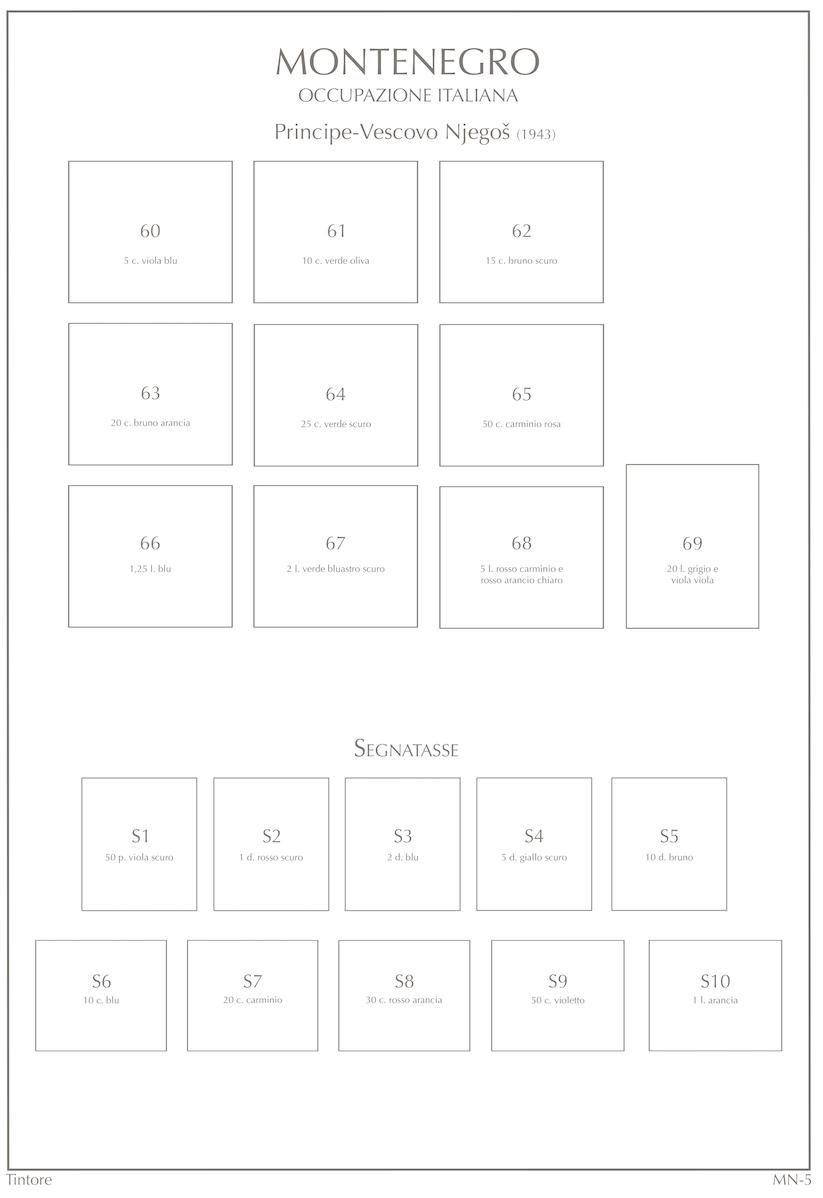
I have none of these stamps. The first few rows are Montenegro stamps, with only a few overprinted. The bottom set of stamps are postage due stamps. Those are actually Italian stamps overprinted for use in Montenegro.
Contains 20 spots: own 0 – 0 unused, 0 used.
Stamp Details
The table below lists information about the stamps shown on this page of Lighthouse’s stamp album. For more details about a particular stamp, click on its description. That will take you to the related web page of Colnect.
spot |
own |
catalog |
subject |
description |
comment |
|---|---|---|---|---|---|
60 |
5c (may 1943) |
||||
61 |
10c (may 1943) |
||||
62 |
15c (may 1943) |
||||
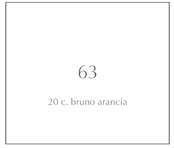
63 |
20c (may 1943) |
||||
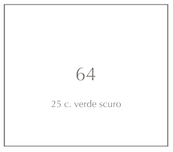
64 |
25c (may 1943) |
||||
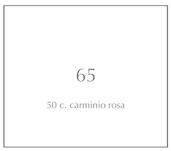
65 |
50c (may 1943) |
||||
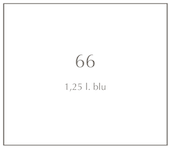
66 |
1.25₤ (may 1943) |
||||
67 |
2₤ (may 1943) |
||||
68 |
5₤ (may 1943) |
||||
69 |
20₤ (may 1943) |
||||
S1 |
50p (jun 1941) |
||||
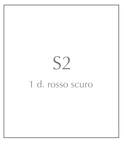
S2 |
1din (jun 1941) |
||||
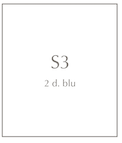
S3 |
2din (jun 1941) |
||||
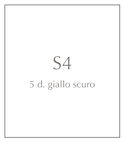
S4 |
5din (jun 1941) |
||||
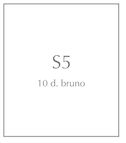
S5 |
10din (jun 1941) |
||||
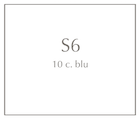
S6 |
Savoy Coat of Arms |
10c (jun 1941) |
|||
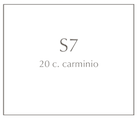
S7 |
Savoy Coat of Arms |
20c (jun 1941) |
|||
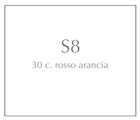
S8 |
Savoy Coat of Arms |
30c (jun 1941) |
|||
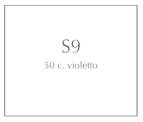
S9 |
Savoy Coat of Arms |
50c (jun 1941) |
|||
S10 |
Savoy Coat of Arms |
1₤ (jun 1941) |
Footnotes
Spot refers to the postion of the stamp on the album page (e.g., 3.2 indicates row 3, position 2).
Amt. is an abbreviation for the face amount of the stamp.
Own indicates the stamp status: ✓ for unused; ✗ for used or canceled; ⭑ signifies I ordered one; ; ✨ indicates it was bought recently; ✠ means an auction bid is pending; and ◎ is used, and it costs too much for unused.
To search by catalog number, go to the search box and enter it in the catalog number box. However, it’s a bit broken; I need to fix it.



















