Bunker Hill
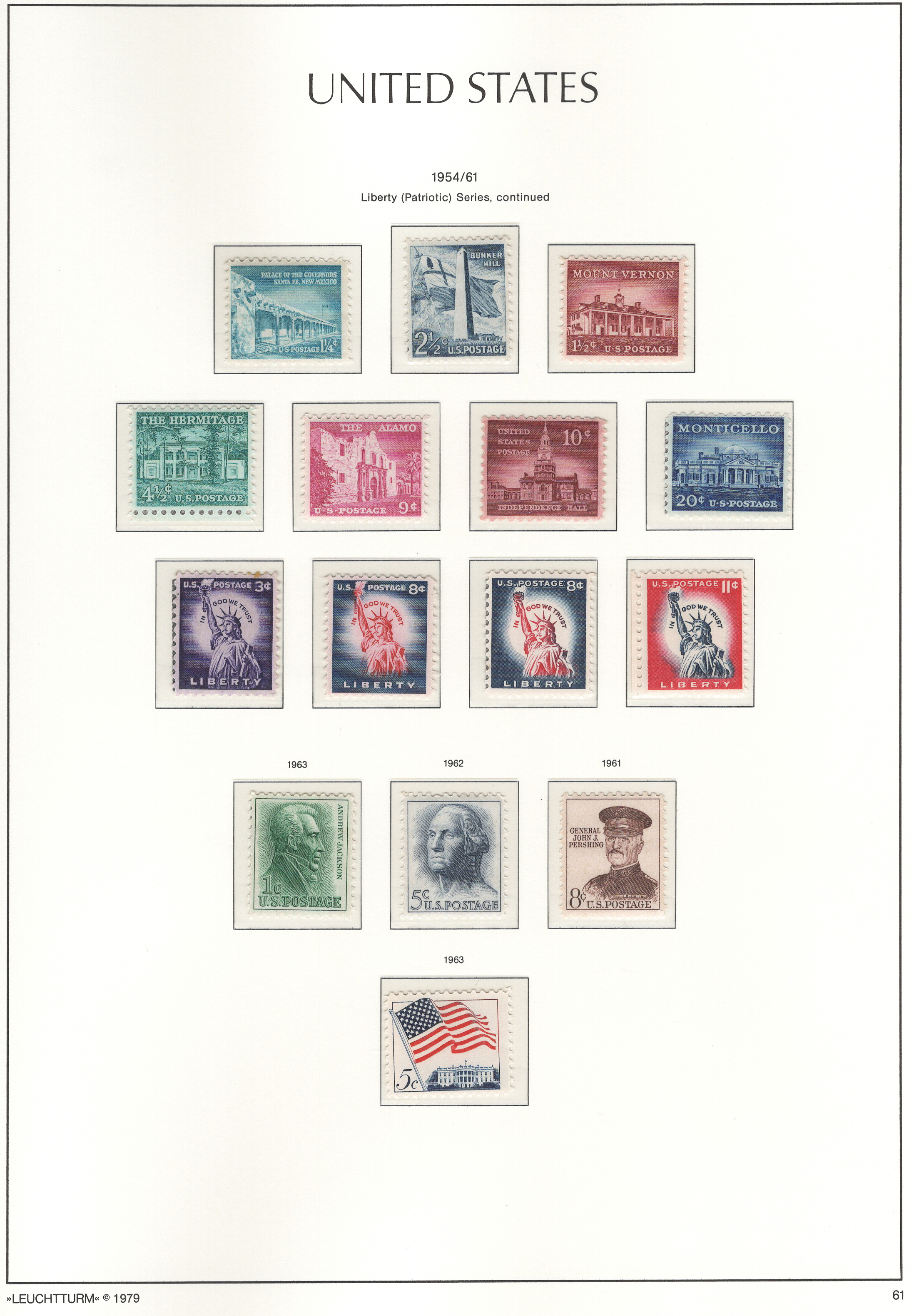
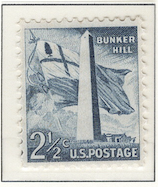
The Battle of Bunker Hill was a battle fought in 1775, early in the American Revolutionary War. It wasn’t a successful battle for the Americans, but it was a key one.
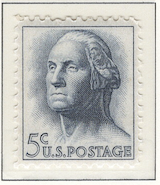
The British had a large number of troops in a garrison in Boston. The colonists had learned that the British were about to dispatch those troops to suppress the start of the revolution. George Washington, the commander of the Continental Army moved his troops to Boston to prevent British troops from leaving. They successfully boxed them in by land, but there was still Boston Harbor that could be used to exit by sea.
To gain control of the harbor, Washington sent troops with cannons to Charlestown, specifically to Breed’s Hill and Bunker Hill which are on a peninsula that overlooks Boston Harbor. The value of that location is that the peninsula is positioned at the mouth of both the Charles River and the Mystic River, as well as on the Boston Harbor. Breed’s Hill has an elevation of seventy-five feet and Bunker Hill is at about one-hundred feet. That made them ideal for placing cannons to fire on boats and ships trying to use the rivers and the harbor.
Not to be deterred, the British engaged the Continental Army at Breed’s and Bunker Hills. It took three considerable assaults before they were successful. The colonist retreated, having suffered about four-hundred-fifty casualties. The British had a little over a thousand casualties and deaths on their side.
Prior to this battle, the British were of the opinion that their trained and disciplined troops could easily defeat the colonists who were mostly farmers and tradesmen with no experience in fighting. The Battle of Bunker Hill proved them wrong and forced them to be more cautious in doing battle with the Continental Army. It also led to them hiring Hessian soldiers to assist them.
The stamp in the middle of the top row of this album page shows the Bunker Hill Monument, erected in the early 1800s in memory of those lost in the battle. Whenever I’m in Boston, after arriving at the airport, I can see it from the highway as I’m heading out of town. It’s actually on Breed’s Hill – where most of the fighting took place – which is more centrally located.
Note
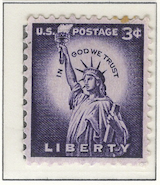
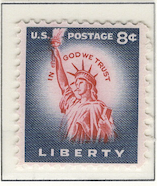
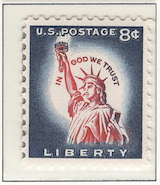
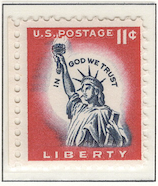
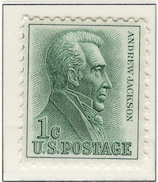
This page is complete. It contains all definitives, known as the Liberty or Patriotic series since it contains images of the Statue of Liberty, as well as several images related to the American Revolution and other wars for liberty.
Contains 15 spots: own 15 – 15 unused, 0 used.
Page is finished.
Album or Web Page Last changed Mar 23, 2025
Stamp Details
The table below lists information about the stamps shown on this page of Lighthouse’s stamp album. For more details about a particular stamp, click on its description. That will take you to the related web page of Colnect.
spot |
own |
catalog |
subject |
description |
comment |
Liberty Definitives
✓ |
1031A |
1¼c (jun 1960) |
|||
✓ |
1034 |
2½c (jun 1959) |
|||
✓ |
1032 |
1½c (feb 1956) |
|||
✓ |
1037 |
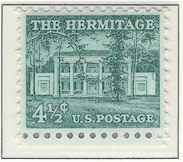
4½c (mar 1959) |
|||
✓ |
1043 |
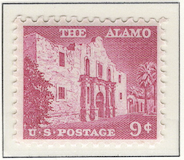
The Alamo |
9c (jun 1956) |
||
✓ |
1044 |
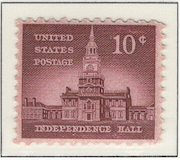
10c (jul 1956) |
|||
✓ |
1047 |
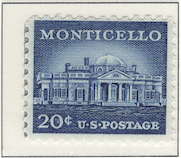
20c (apr 1956) |
|||
✓ |
1035 |
3c (jun 1954) |
|||
✓ |
1041 |
8c (apr 1954) |
|||
✓ |
1042 |
8c (mar 1958) |
|||
✓ |
1044A |
11c (jun 1954) |
|||
✓ |
1209 |
1c (may 1963) |
|||
✓ |
1213 |
5c (nov 1962) |
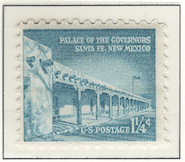
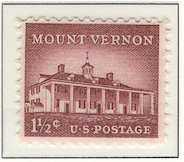
Liberty Definitives
✓ |
1214 |
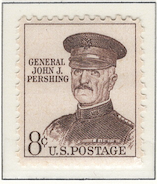
8c (nov 1961) |
|||
✓ |
1208 |
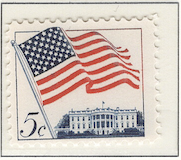
5c (jan 1963) |
Footnotes
Spot refers to the postion of the stamp on the album page (e.g., 3.2 indicates row 3, position 2).
Amt. is an abbreviation for the face amount of the stamp.
Own indicates the stamp status: ✓ for unused; ✗ for used or canceled; ⭑ signifies I ordered one; ; ✨ indicates it was bought recently; ✠ means an auction bid is pending; and ◎ is used, and it costs too much for unused.
To search by catalog number, go to the search box and enter it in the catalog number box. However, it’s a bit broken; I need to fix it.














