Postage Due
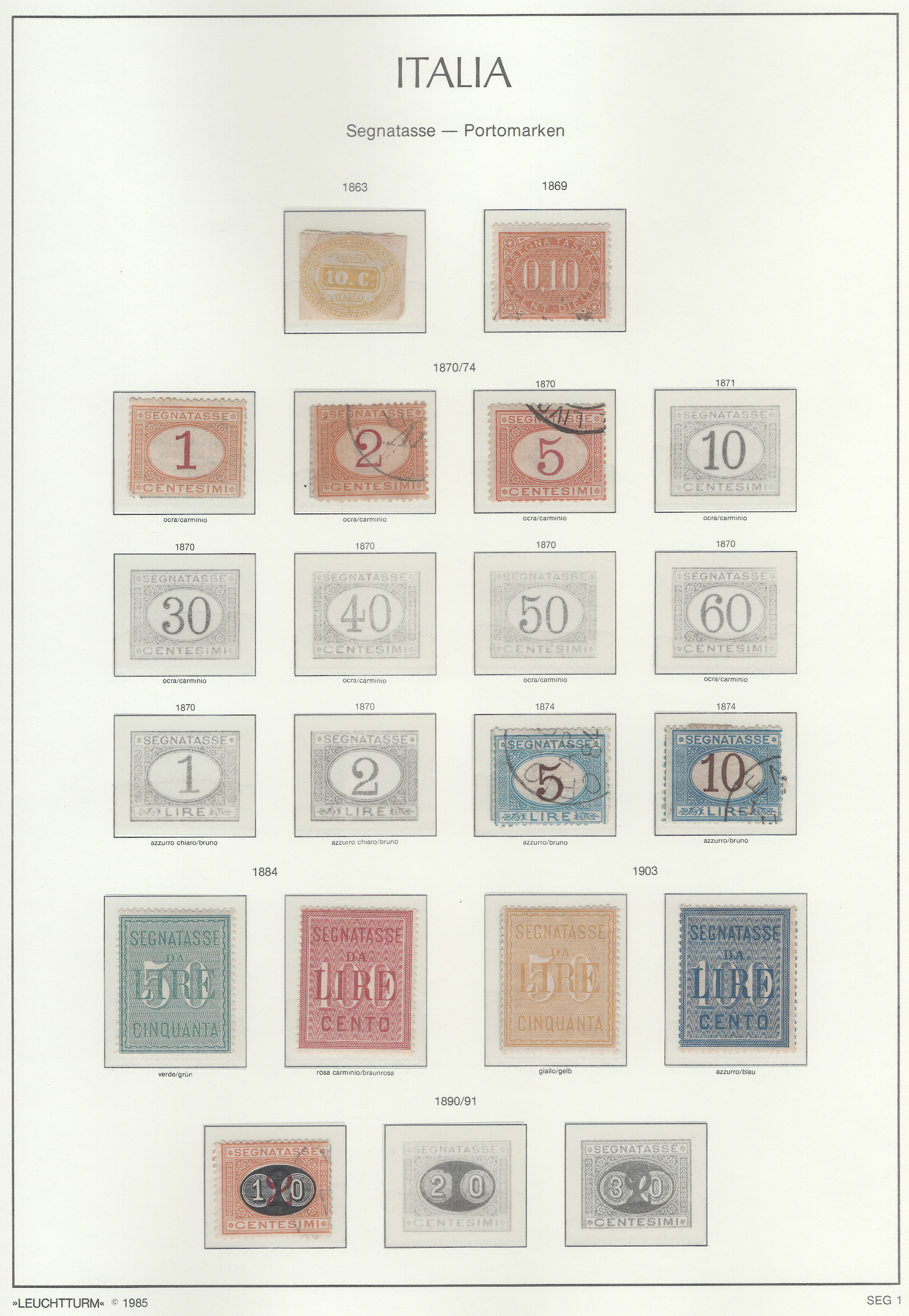
These stamps were used when mail was sent without enough postage. If someone handed in an envelop at the post office, of course, they wouldn’t accept it without the correct postage. However, if someone put an envelop in a public mail box, rather than return the envelop to the sender, they would put postage due stamps for the deficient amount and deliver it, expecting the recipient to pay the cost of them. If they didn’t pay, only then would the envelop be returned to the sender.
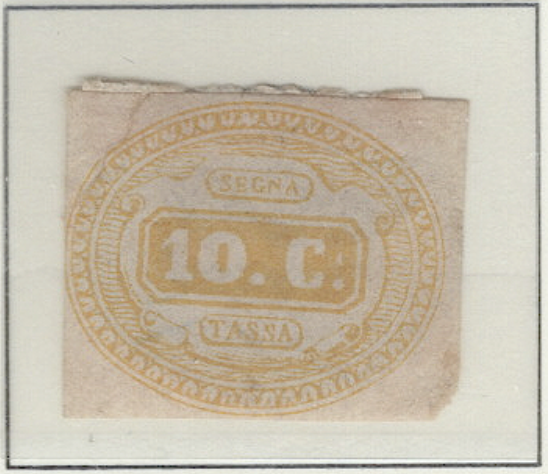
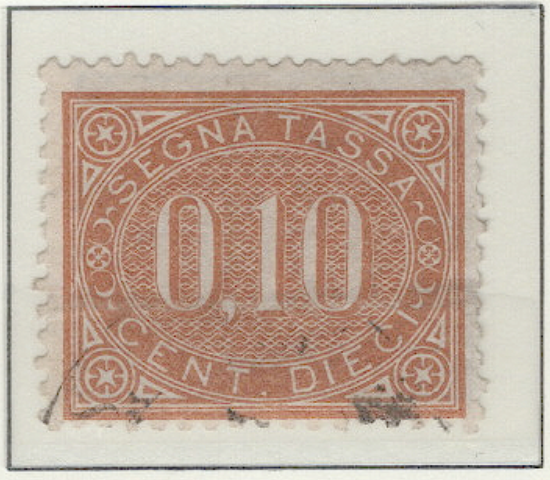
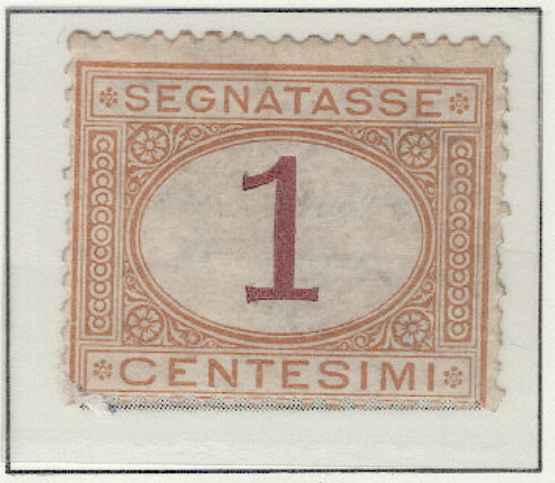
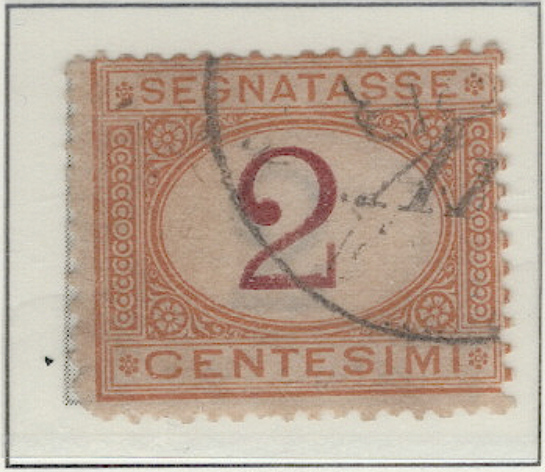
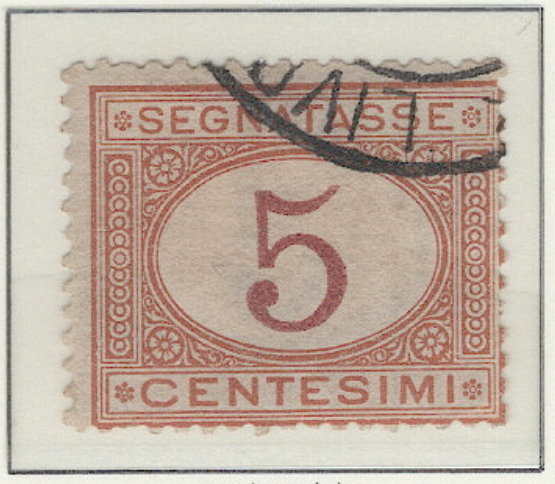
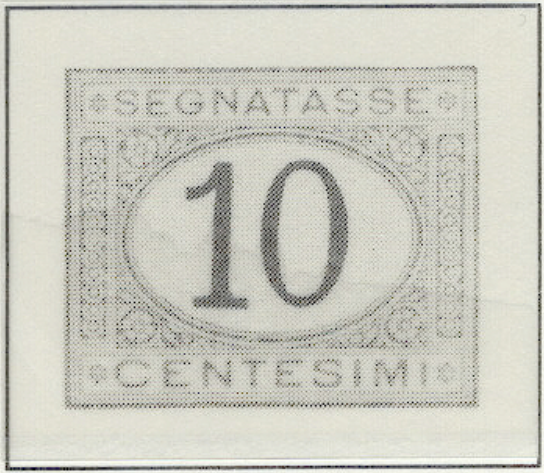
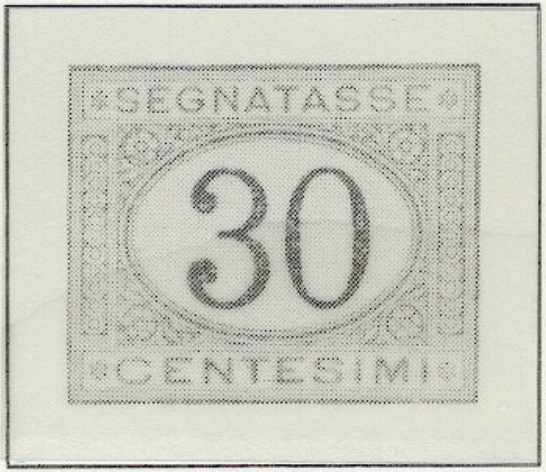
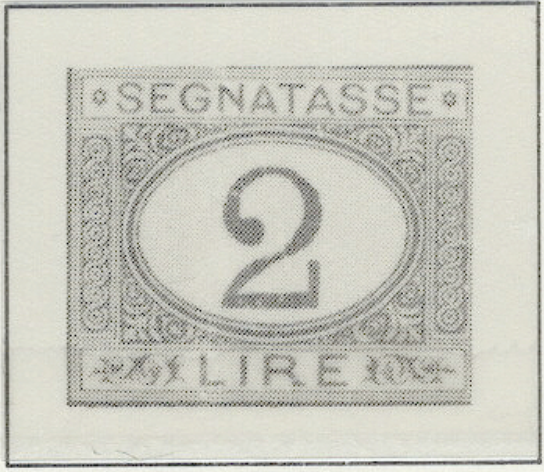
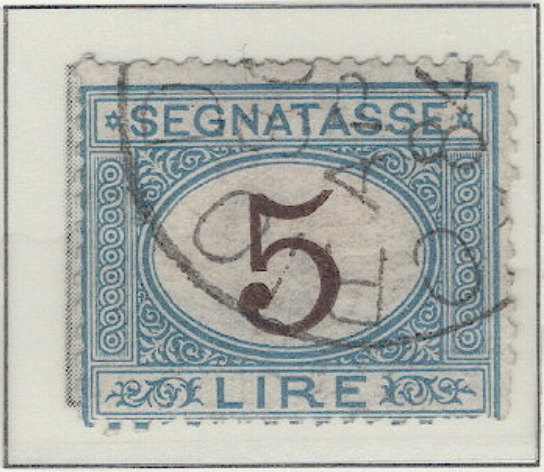
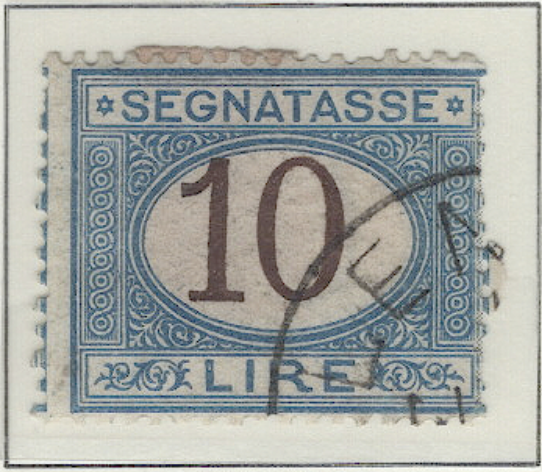
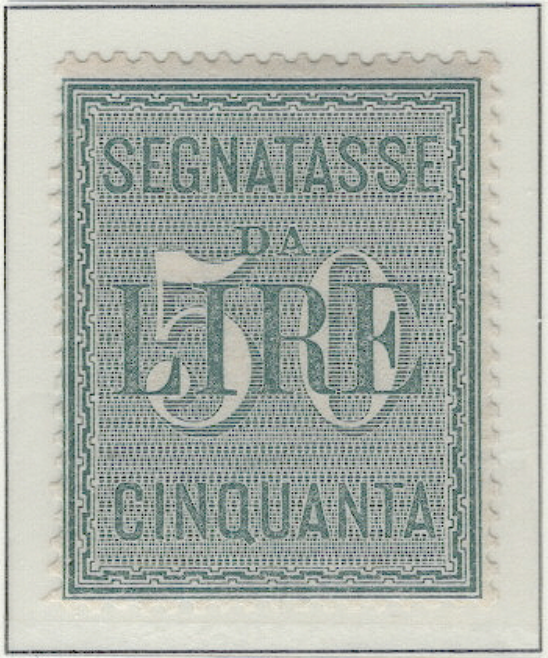
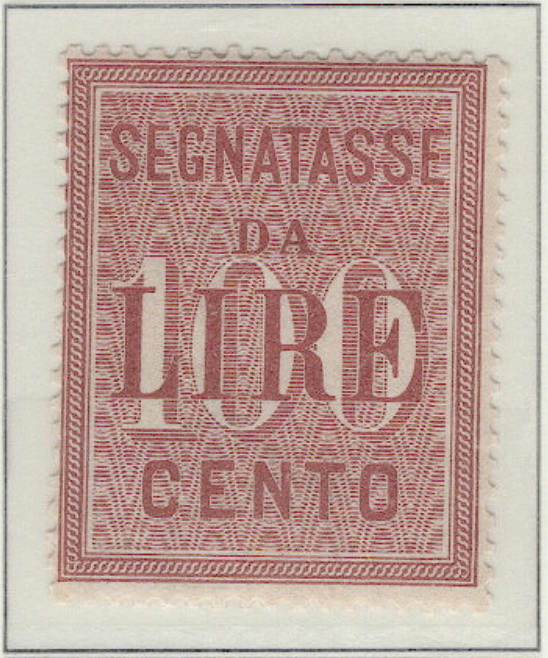
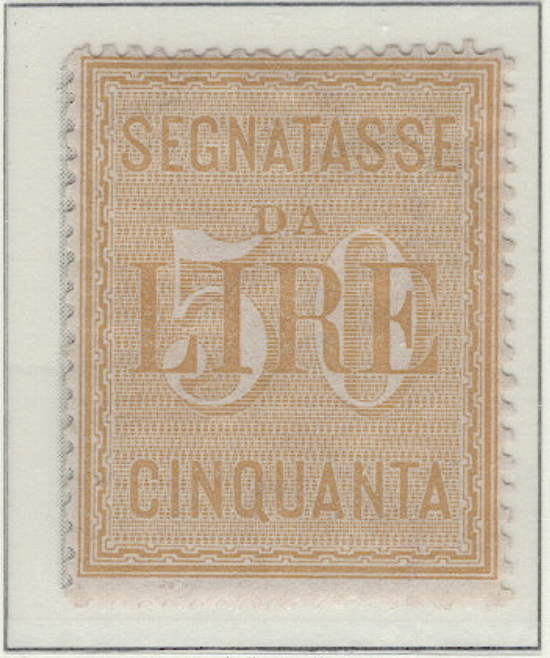
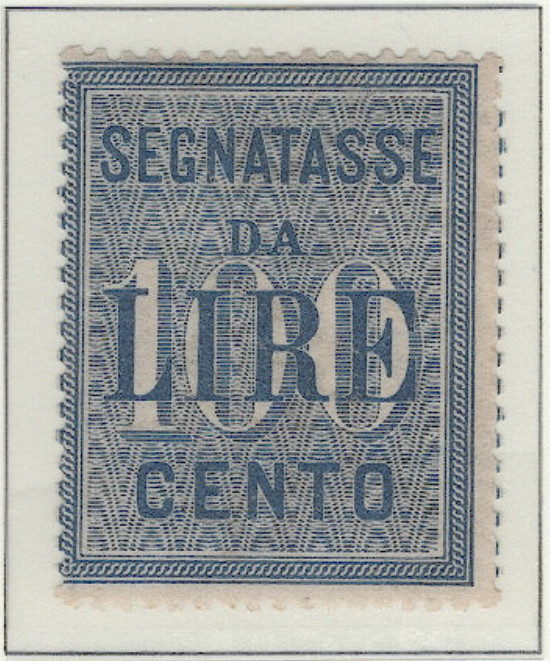
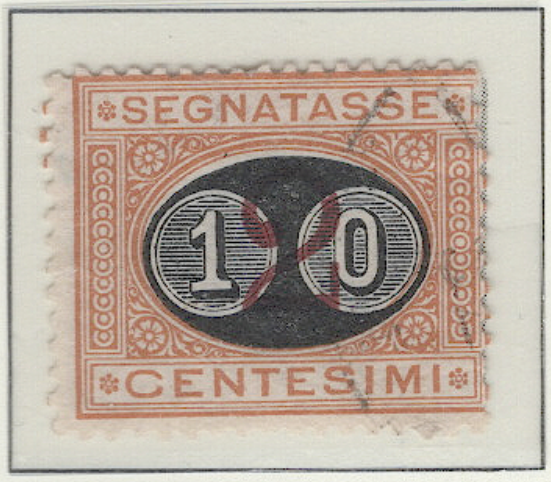
Postage due stamps are almost always very plain, perhaps because their use was not encouraged. The first two here, used in the 1860s, are very simple and weren’t perforated. The twelve in the second set are a little more refined and perforated, but still fairly dull looking. Starting in 1884, they tried to improve the look a bit, changing the size. Still dull, though.
Note
There’s something about postage due stamps in particular that have always fascinated me, ever since I first saw them when I was a kid, on a couple of envelops the letter carrier in my neighborhood was delivering to neighbors. I would very much like to acquire all of them, but the old ones are a little pricey and not always easy to find. So it will take me time to complete this page. I’m slowly making progress on this page. Given the cost and scarcity locally, though, I may only get them one at a time over many months or a year.
Contains 21 spots: own 12 – 6 unused, 6 used.
Album or Web Page Last changed May 17, 2023
Stamp Details
The table below lists information about the stamps shown on this page of Lighthouse’s stamp album. For more details about a particular stamp, click on its description. That will take you to the related web page of Colnect.
spot |
own |
catalog |
subject |
description |
comment |
Postage Due
✓ |
S1 |
10c (jan 1863) |
|||
✗ |
S2 |
10c (mar 1869) |
|||
✓ |
S3 |
1c (jan 1870) |
|||
✗ |
S4 |
2c (jan 1870) |
philafer (€ 50) |
||
✗ |
S5 |
5c (1870) |
|||
S6 |
10c (jan 1870) |
||||
S7 |
30c (jan 1870) |
||||
S8 |
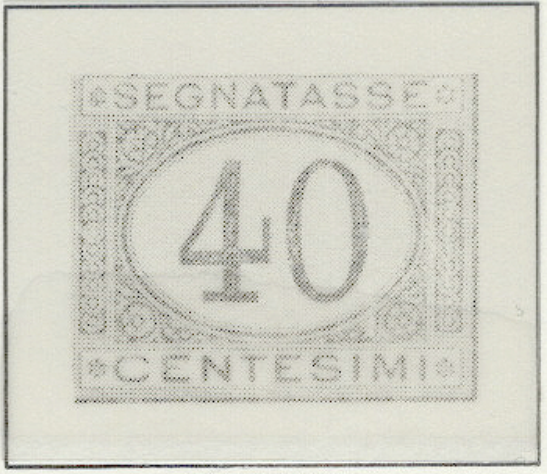
40c (jan 1870) |
||||
S9 |
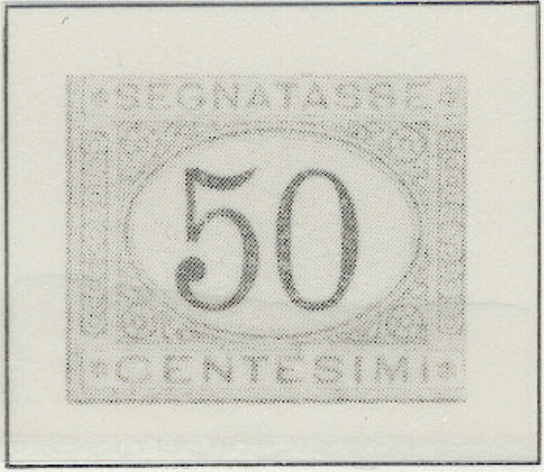
50c (jan 1870) |
||||
S10 |
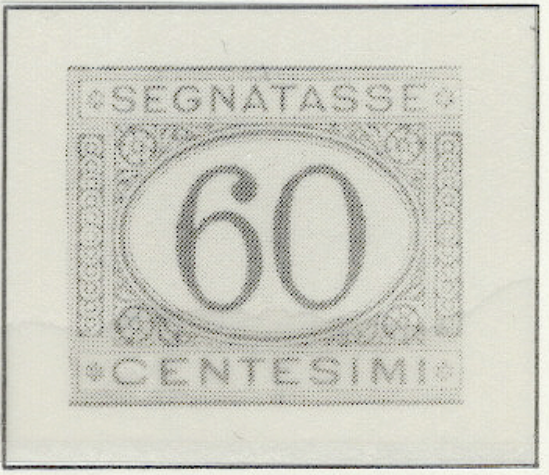
60c (jan 1870) |
||||
S11 |
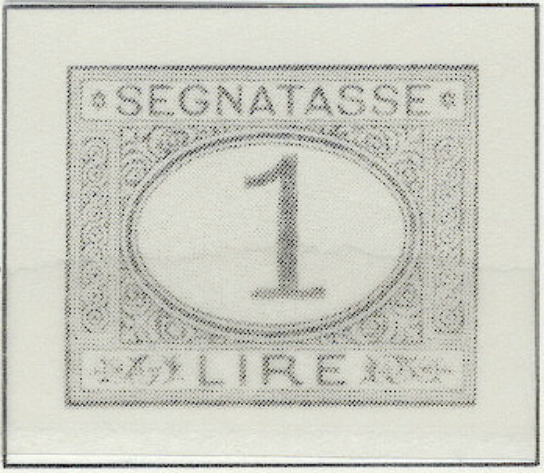
1₤ (jan 1870) |
||||
S12 |
2₤ (jan 1870) |
||||
✗ |
S13 |
5₤ (jan 1870) |
|||
✗ |
S14 |
10₤ (jan 1870) |
|||
✓ |
S15 |
50₤ (jan 1884) |
|||
✓ |
S16 |
100₤ (jan 1884) |
|||
✓ |
S31 |
50₤ (jul 1903) |
|||
✓ |
S32 |
100₤ (jul 1903) |
|||
✗ |
S17 |
10c (1890) |
tuscanphila (€ 200) |
||
S18 |
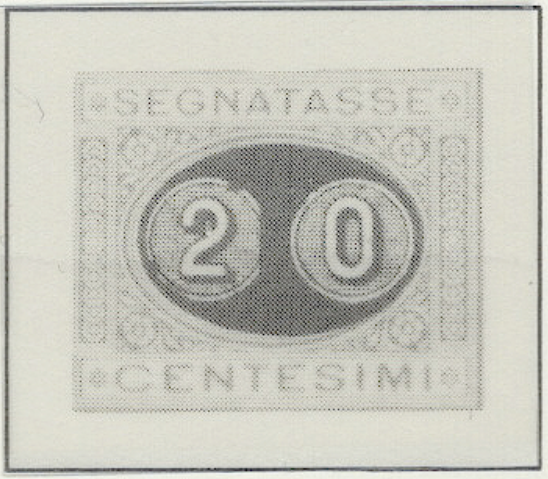
20c (1890) |
ibīdem |
|||
S19 |
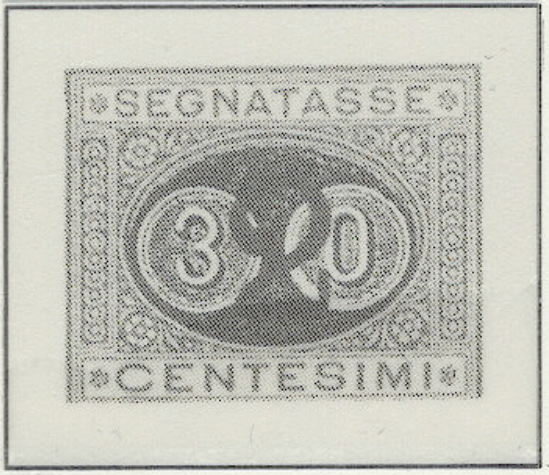
30c (1890) |
ibīdem |
Footnotes
Spot refers to the postion of the stamp on the album page (e.g., 3.2 indicates row 3, position 2).
Amt. is an abbreviation for the face amount of the stamp.
Own indicates the stamp status: ✓ for unused; ✗ for used or canceled; ⭑ signifies I ordered one; ; ✨ indicates it was bought recently; ✠ means an auction bid is pending; and ◎ is used, and it costs too much for unused.
To search by catalog number, go to the search box and enter it in the catalog number box. However, it’s a bit broken; I need to fix it.




















