Trygve Lie
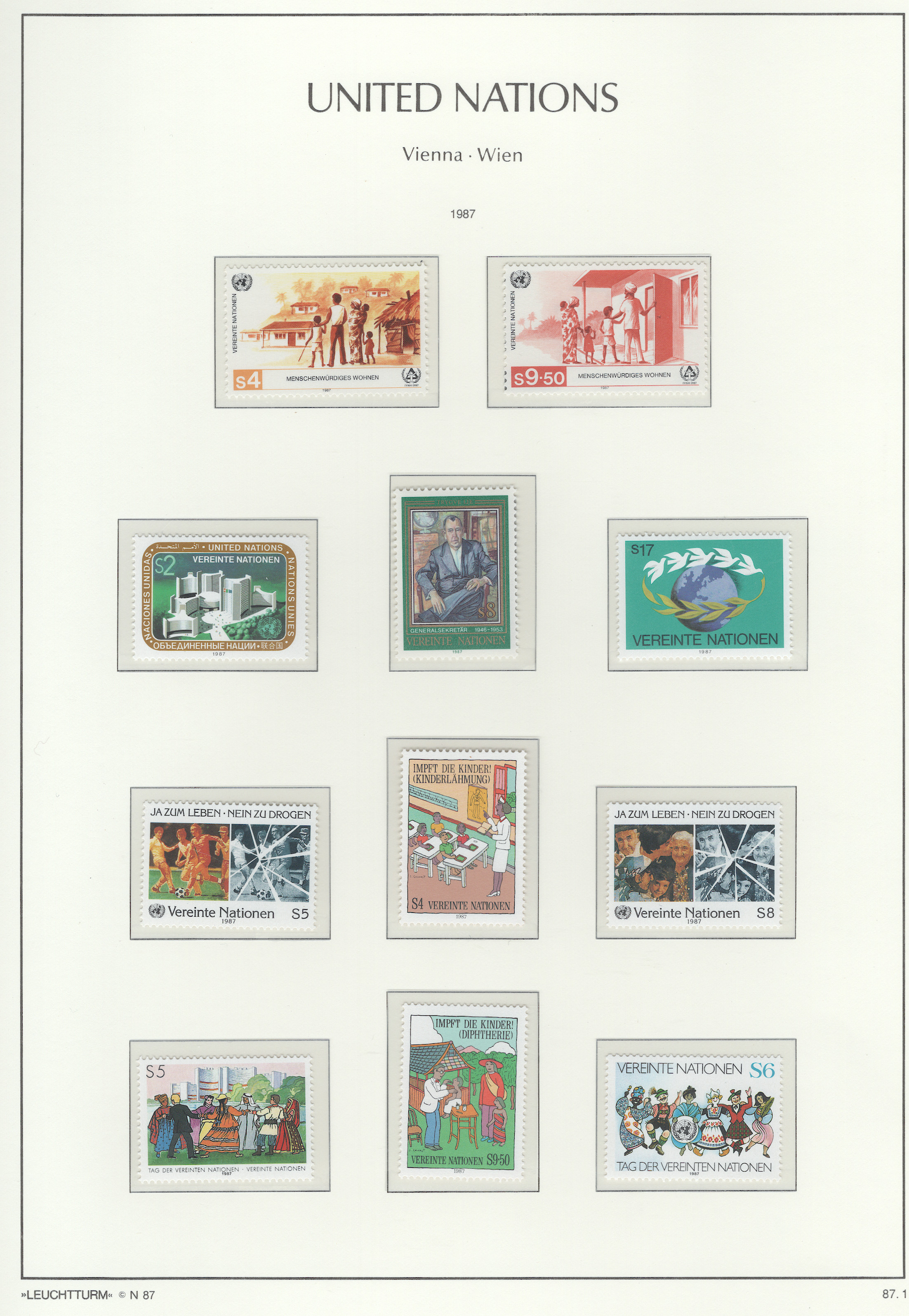
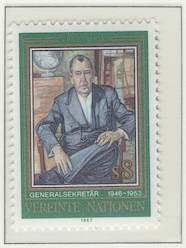
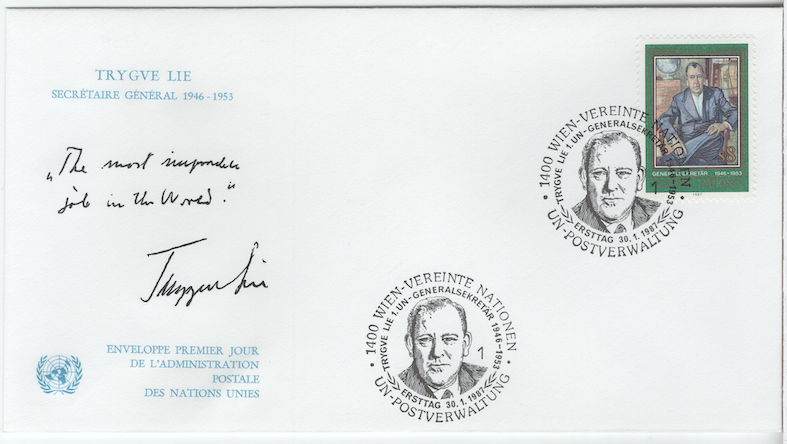
Trygve Lie was the first Secretary General of the United Nations, from 1946 to 1952. Born in 1896 in Norway, when he was twenty-four years old he earned a law degree and became National Secretary for the Norwegian Labour Party. In 1939, he became a governement minister. From 1941 to 1946, while Norway was occupied by Germany, he was Foreign Minister of the Norwegiann government in exile.
In 1945, when the United Nations was first forming, Lie was a Norwegian delegate at the intial meetings in San Francisco when the U.N. Charter was being written. He helped write the parts about the role of the Security Council.
In January 1946, when the U.N. was first electing a Secretary General, the lead candidate was a Canadian. The U.S. backed him, but the Soviet Union opposed him because it felt that since the U.N. headquarters was being located in New York, the Secretary General shouldn’t be from North America. The Soviets proposed a Yugoslavian ambassador, and then the Polish foreign minister – both from Soviet satelite countries. The U.S. objected to them. The U.S. then suggested Lie. Neither had objections to him and so he was elected with unanimous vote from the Security Council members, and almost one-hundred percent approval from the General Asssembley.
Lie had the difficult task of overseeing the formation of many agencies that were replacing ones from the League of Nations. He was also dealing with the building of the U.N. headquarters in New York and setting up of offices. Plus, he had to struggle with the start of the Cold War between the U.S. and the Soviet Union, as well as many other pressure points. All of this at a time when the U.N. was playing an active role in the rebuilding of many of the countries of the world after the devastation of World War II, including an unprecedented number of refugees scattered around the globe.
He didn’t always handle problems to everyone’s liking, but Lie did an excellent job in helping to solidify the U.N., restoring world order, and assisting many millions of people in stressful conditions.
Note
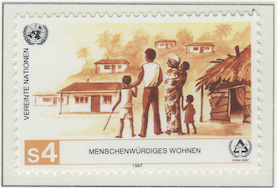
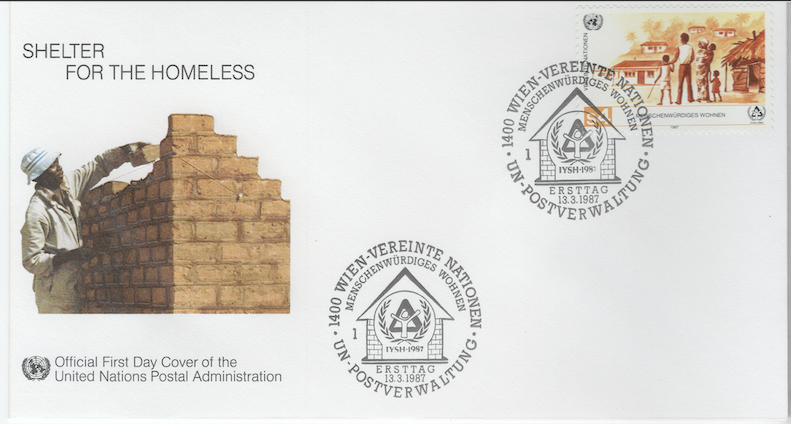
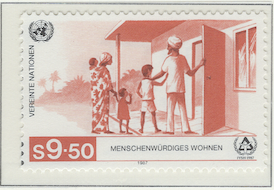
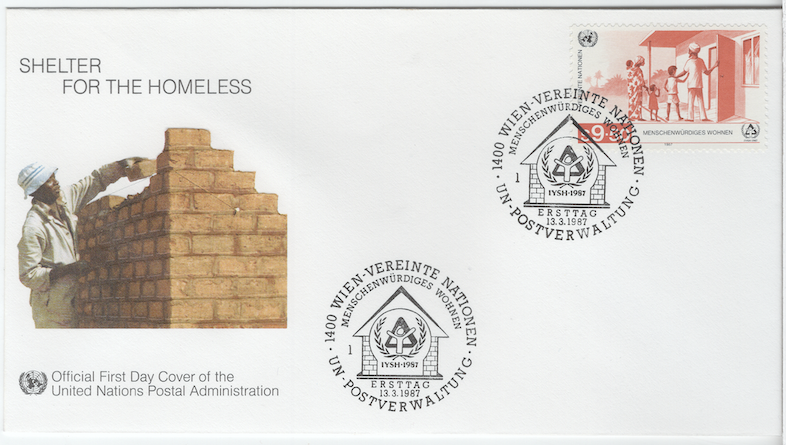
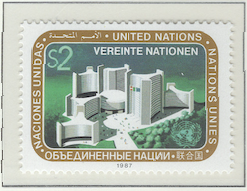
The top two stamps have a nice design. They were issued in commemoration of Habitation Year. You can read about it on the Habitation Year page of the Geneva album.
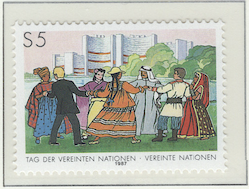
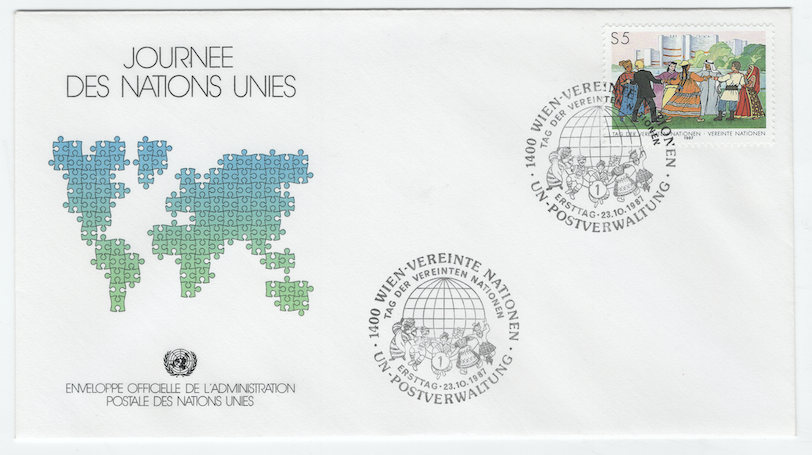
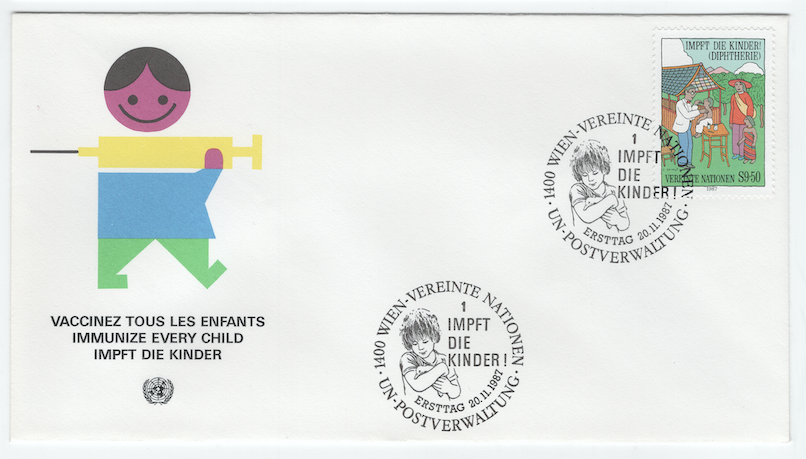
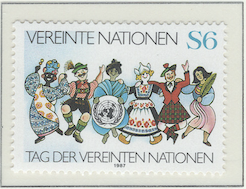
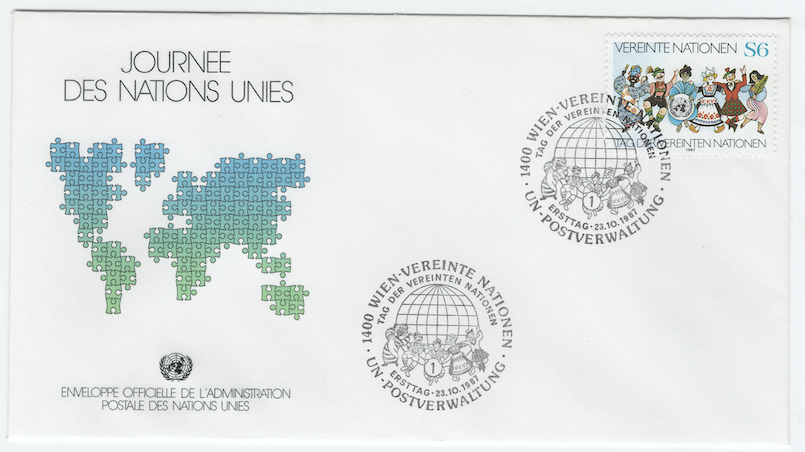
The outer stamps on the fourth row are meant to be issued for the celebration of U.N. Day. You can read more about that on the U.N. Day page in the New York album.
Contains 11 spots: own 11 – 11 unused, 0 used.
Page is finished.
Album or Web Page Last changed Jun 20, 2025
Stamp Details
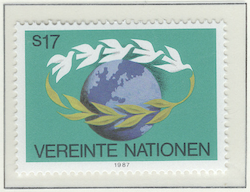
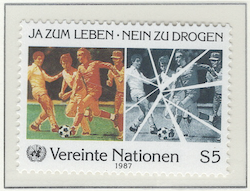
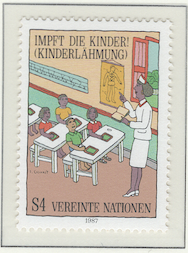
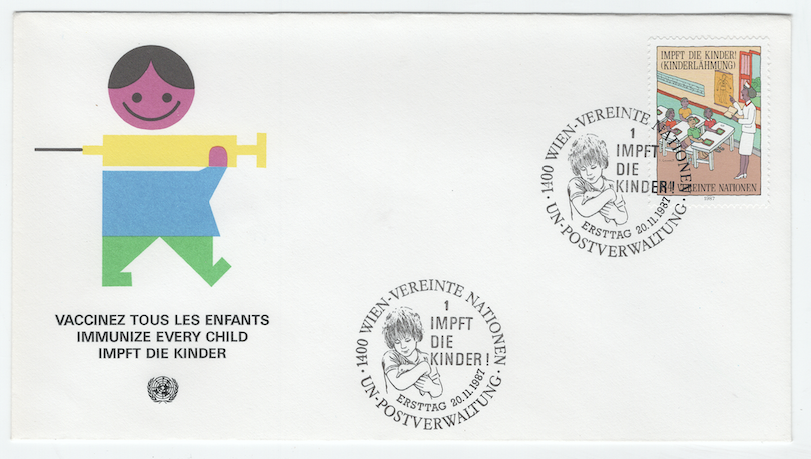
The table below lists information about the stamps shown on this page of Lighthouse’s stamp album. For more details about a particular stamp, click on its description. That will take you to the related web page of Colnect.
spot |
own |
catalog |
subject |
description |
comment |
|---|---|---|---|---|---|
✓ |
68 |
4s (mar 1987) |
|||
✓ |
69 |
9.50s (mar 1987) |
|||
✓ |
72 |
2s (jun 1987) |
|||
✓ |
67 |
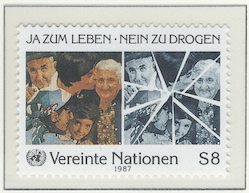
8s (jan 1987) |
|||
✓ |
73 |
17s (jun 1987) |
|||
✓ |
70 |
5s (jun 1987) |
|||
✓ |
76 |
4s (nov 1987) |
|||
✓ |
71 |
8s (jun 1987) |
|||
✓ |
74 |
5s (oct 1987) |
|||
✓ |
77 |
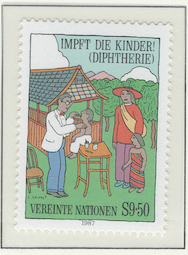
9.50s (nov 1987) |
|||
✓ |
75 |
6s (oct 1987) |
Footnotes
Spot refers to the postion of the stamp on the album page (e.g., 3.2 indicates row 3, position 2).
Amt. is an abbreviation for the face amount of the stamp.
Own indicates the stamp status: ✓ for unused; ✗ for used or canceled; ⭑ signifies I ordered one; ; ✨ indicates it was bought recently; ✠ means an auction bid is pending; and ◎ is used, and it costs too much for unused.
To search by catalog number, go to the search box and enter it in the catalog number box. However, it’s a bit broken; I need to fix it.

















