Pechino
Beijing is the capital of China and is governed as a direct-administered municipality in the north of the country, next to Tianjin. The name means “Northern Capital” (北京) and was applied to the city in 1403 during the Ming dynasty to distinguish it from Nanjing, the “Southern Capital.” The older spelling is Peking (Pechino in Italian), which was already used by the Jesuit missionary Martino Martini in an atlas published in Amsterdam in 1655. The official spelling Beijing was adopted in the 1980s, though Peking still survives in a few names (e.g., Peking University and the airport code PEK).
The city has been rebuilt several times. After the Mongols razed the earlier Jurchen capital in 1215, Kublai Khan ordered a new one built, which took from 1264 to 1293. The Yongle Emperor then moved the Ming court north and built the Forbidden City between 1406 and 1420, and on October 28, 1420, Beijing was officially made the capital. The Qing dynasty kept the same layout after 1644. In 1860, Anglo-French forces looted and burned the Old Summer Palace, and the Convention of Peking that ended the Second Opium War let Western powers set up permanent diplomatic missions in the city for the first time. As a result, the foreign legations were there when the Boxer Rebellion reached Beijing in 1900. Eight foreign powers reoccupied the city, and the peace agreement of September 7, 1901 required China to pay an indemnity of US$335 million over 39 years.
The capital was formally moved to Nanjing in 1928, and on June 28 of that year the city’s name was changed to Beiping. Japan took it on July 29, 1937, at the start of the Second Sino-Japanese War. The People’s Liberation Army seized control peacefully on January 31, 1949, and on October 1 of that year Mao Zedong announced the People’s Republic of China from atop Tian’anmen. Basically, the old name Beijing came back with the new capital. The city had 21,893,095 people at the 2020 census, and in 2022 it became the first city to host both the Summer and Winter Olympics.
Note
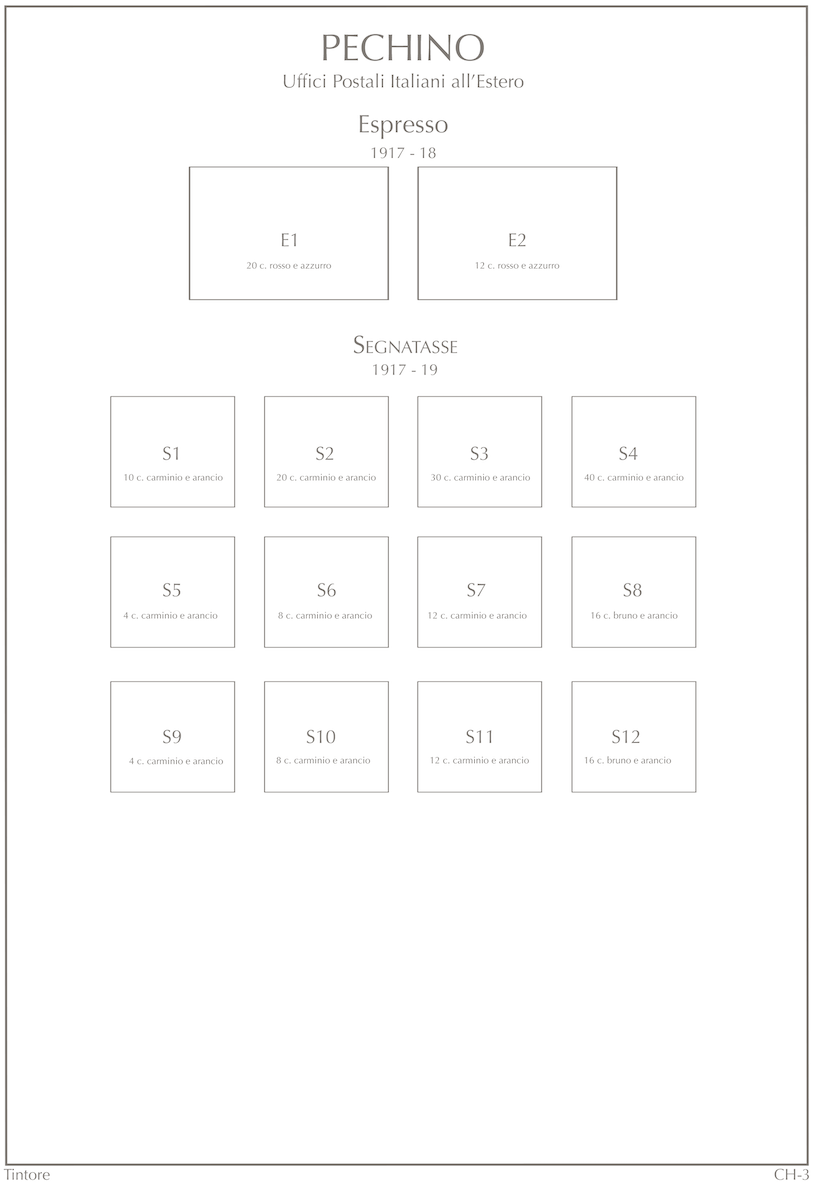
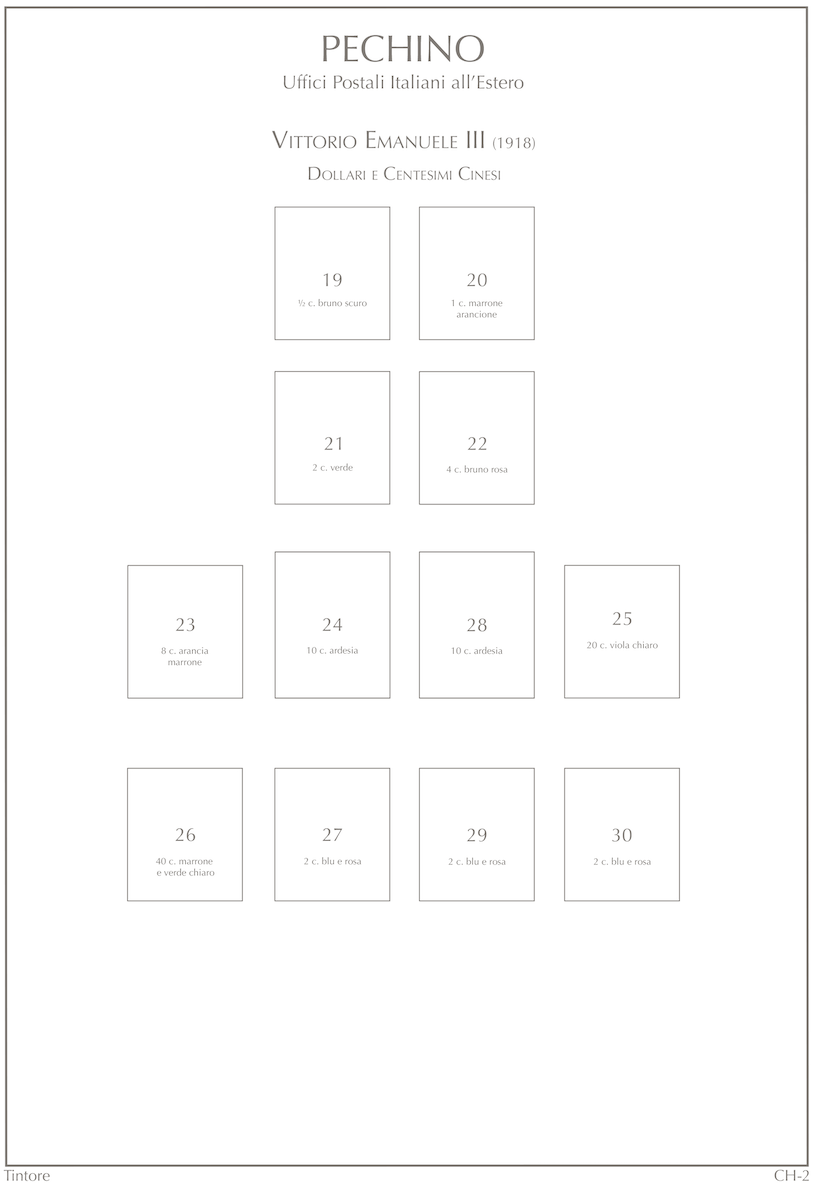
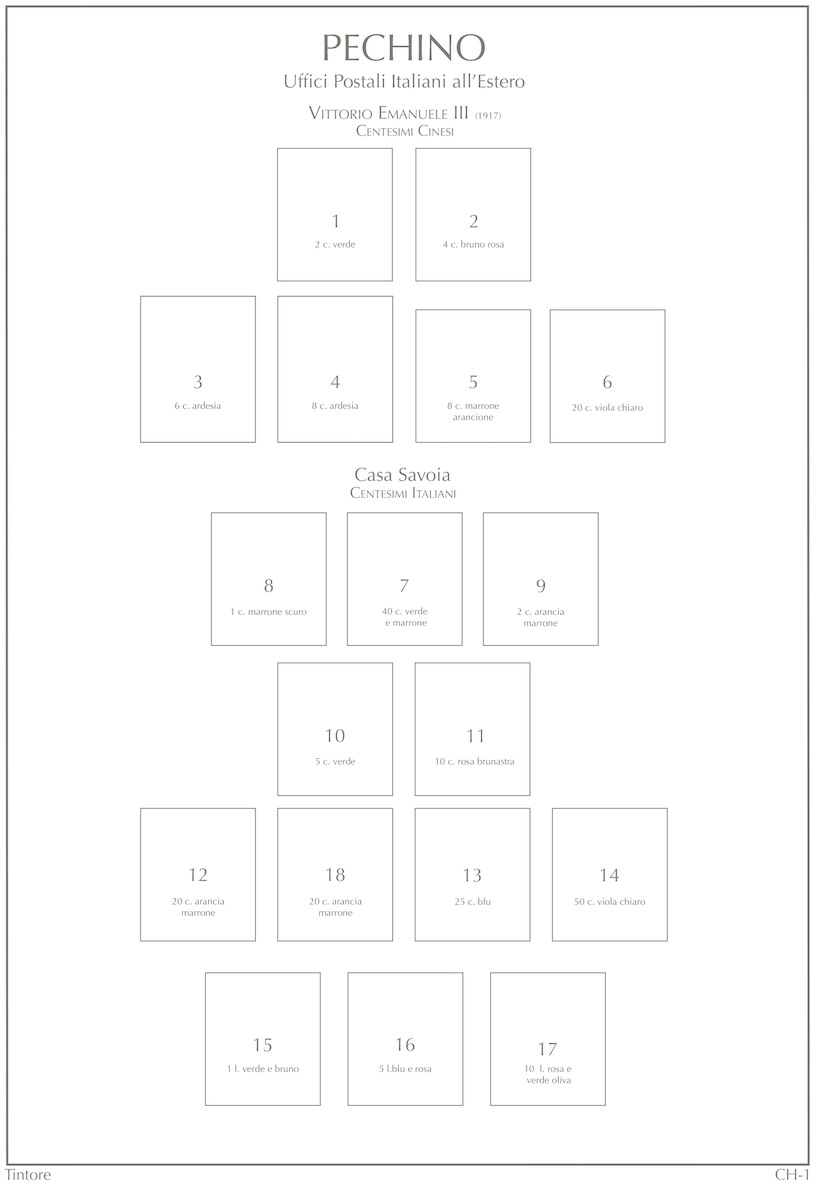
As you can see, there are three album pages for the Italian post office in Peking (Beijing), China. I created the layout and printed the pages, but haven’t begun to place the couple of stamps I own on these pages. Once I do that and start buying them from dealers – which are readily available, but not expensive – then I’ll separate this web page into three web pages, one for each album page.
Album Page CH-1
spot |
own |
catalog |
subject |
description |
comment |
|---|---|---|---|---|---|
1 |
Vittorio Emanuele III - Leoni |
2c (jan 1917) |
|||
2 |
Vittorio Emanuele III - Leoni |
4c (jan 1917) |
|||
3 |
Vittorio Emanuele III - Michetti |
6c (jan 1917) |
|||
4 |
Vittorio Emanuele III - Michetti |
8c (jan 1917) |
|||
5 |
Vittorio Emanuele III - Michetti |
8c (jan 1917) |
|||
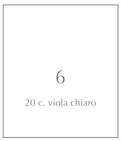
6 |
Vittorio Emanuele III - Michetti |
20c (jan 1917) |
|||
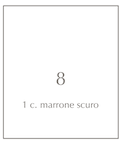
8 |
Savoy Emblem |
1c (jan 1917) |
|||
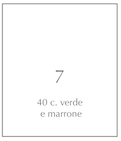
7 |
Vittorio Emanuele III - Cellini |
40c (jan 1917) |
|||
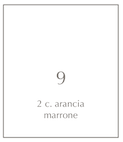
9 |
Savoy Crest |
2c (jan 1917) |
|||
10 |
Vittorio Emanuele III - Leoni |
5c (jan 1917) |
|||
11 |
Vittorio Emanuele III - Leoni |
10c (jan 1917) |
|||
12 |
Vittorio Emanuele III - Michetti |
20c (jan 1917) |
|||
18 |
Vittorio Emanuele III - Michetti |
20c (jan 1918) |
|||
13 |
Vittorio Emanuele III - Michetti |
25c (jan 1917) |
|||
14 |
Vittorio Emanuele III - Michetti |
50c (jan 1917) |
|||
15 |
Vittorio Emanuele III - Cellini |
1₤ (jan 1917) |
|||
16 |
Vittorio Emanuele III - Cellini |
5₤ (jan 1917) |
|||
17 |
Vittorio Emanuele III - Cellini |
10₤ (jan 1917) |
Album Page CH-2
spot |
own |
catalog |
subject |
description |
comment |
|---|---|---|---|---|---|
19 |
Savoy Emblem |
½c (jan 1918) |
|||
20 |
Savoy Crest |
1c (jan 1918) |
|||
21 |
Vittorio Emanuele III - Leoni |
2c (jan 1918) |
|||
22 |
Vittorio Emanuele III - Leoni |
4c (jan 1918) |
|||
23 |
Vittorio Emanuele III - Michetti |
8c (jan 1918) |
|||
24 |
Vittorio Emanuele III - Michetti |
10c (jan 1918) |
|||
28 |
Vittorio Emanuele III - Michetti |
10c (jan 1919) |
|||
25 |
Vittorio Emanuele III - Michetti |
20c (jan 1918) |
|||
26 |
Vittorio Emanuele III - Cellini |
40c (jan 1918) |
|||
27 |
Vittorio Emanuele III - Cellini |
2c (jan 1918) |
|||
29 |
Vittorio Emanuele III - Cellini |
2c (jan 1919) |
|||
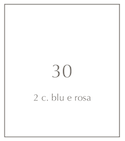
30 |
Vittorio Emanuele III - Cellini |
2c (jan 1920) |
Album Page CH-3
spot |
own |
catalog |
subject |
description |
comment |
|---|---|---|---|---|---|
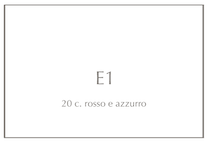
E1 |
Espresso |
30c (dec 1917) |
|||
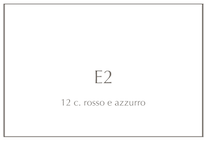
E2 |
Espresso |
12c (jan 1918) |
|||
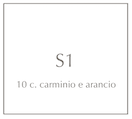
S1 |
Value within Oval |
10c (dec 1917) |
|||
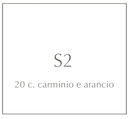
S2 |
Value within Oval |
20c (dec 1917) |
|||
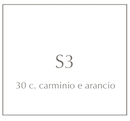
S3 |
Value within Oval |
30c (dec 1917) |
|||
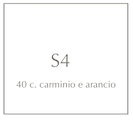
S4 |
Value within Oval |
40c (dec 1917) |
|||
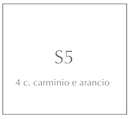
S5 |
Value within Oval |
4c (jan 1918) |
|||
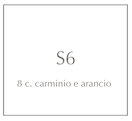
S6 |
Value within Oval |
8c (jan 1918) |
|||
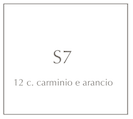
S7 |
Value within Oval |
12c (jan 1918) |
|||
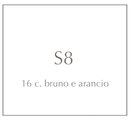
S8 |
Value within Oval |
16c (jan 1918) |
|||
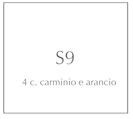
S9 |
Value within Oval |
4c (jan 1919) |
|||
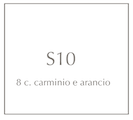
S10 |
Value within Oval |
8c (jan 1919) |
|||
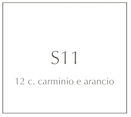
S11 |
Value within Oval |
12c (jan 1919) |
|||
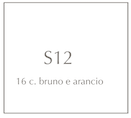
S12 |
Value within Oval |
16c (jan 1919) |
Footnotes
Spot refers to the postion of the stamp on the album page (e.g., 3.2 indicates row 3, position 2).
Amt. is an abbreviation for the face amount of the stamp.
Own indicates the stamp status: ✓ for unused; ✗ for used or canceled; ⭑ signifies I ordered one; ; ✨ indicates it was bought recently; ✠ means an auction bid is pending; and ◎ is used, and it costs too much for unused.
To search by catalog number, go to the search box and enter it in the catalog number box. However, it’s a bit broken; I need to fix it.











































