Louisiana Purchase
In 1534, the French claimed and estaliblished Canada as a colony of France, also known as New France. The colonists would travel along the St. Lawrence Seaway – which is now the border between Canada and the U.S. – to transport goods back and forth to France. This lasted until the 1680s when the British started encroaching on Canada and had sometimes attacked French ships in the seaway. The French colonists needed an alternative route to France.
René-Robert Cavelier, Sieur de La Salle, living in Quebec, heard from Natives of a river south of the Great Lakes that winds its way to the ocean. With the assistance of an Italian, who was a French captain living in Quebec, Enrico “Henri” de Tonti, La Salle explored and settled the region north of the Mississippi – including what’s now St. Louis. They found and traveled down smaller rivers until they found one that merged into the Mississippi River and traveled it as far as they could go. They reached the mouth of the river in 1682 at the Gulf of Mexico. So they claimed for the king of France, all of the land from west of the Allegheny Mountians to east of the Rocky Mountains, and from the Great Lakes to the Gulf of Mexico. They called it Louisiana in honor of the king, Louis XIV and the Queen Mother, Anne of Austria.
La Salle and Tonti backtracked to Quebec. Tonti stayed on to continue with the building of forts and settlements in the north, while La Salle returned to France to get approval and resources from the king to develop this new colony. The king sent him back with a few hundred settlers and two ships. The sailed into the Gulf of Mexico and followed the coast looking for the mouth of the Mississippi River based on sketchy information from La Salle. They never found it again. Instead, they landed in what’s now Galveston, Texas. La Salle had their ships burned to force his crew to commit to finding the river on foot. They went for months without success and many dying of illness. On a sojourn to what’s now Shreveport, some of his men killed him and began walking north in the hopes of finding Quebec. At the same time, Tonti had gone looking for La Salle. He got as far as what’s now called Lake Pontchartrain. On his way back he found La Salle’s killers and discovered what happened to him. Tonti reported back to France that La Salle’s expedition had failed.
In 1698, the French Minister of Marine, Louis Phélypeaux, Comte de Pontchartrain sent two more ships to the Gulf of Mexico in search of the Mississippi River. This time the ships were owned and commanded by an experience naval office, Pierre Le Moyne d’Iverville, along with his brother Jean-Baptiste Le Moyne de Bienville. They methodically explored and charted the Gulf coast. They thought they had it when they found Mobile Bay, but quickly realized that it was not in keeping with La Salle’s notes; the Mobile River wasn’t as large as what they were told to expect. They eventually found the Mississippi, but couldn’t be sure until they could explore it more. They had to find some indication that La Salle and Tonti had been there. After months of exploring all around what is now New Orleans, they sailed into Lake Pontchartrain and landed on the north shore where they met a tribe that gave them a letter from Tonti, addressed to La Salle. That was the proof they needed to begin to establish the colony along the river.
The new colony took time to develop, but they made progress after a few years. With Bienville as Louisiana’s first governor, he founded New Orleans in 1718. However, in 1762, since Spain lost Florida to the British because it had assisted France in the Seven Years’ War, they gave Louisiana to Spain as compensation for their loss. In 1800, though, Napoleon demanded Spain return Louisiana to France – which they did. Three years later, in 1803 he sold it to the United States in what was known as the Louisiana Purchase.
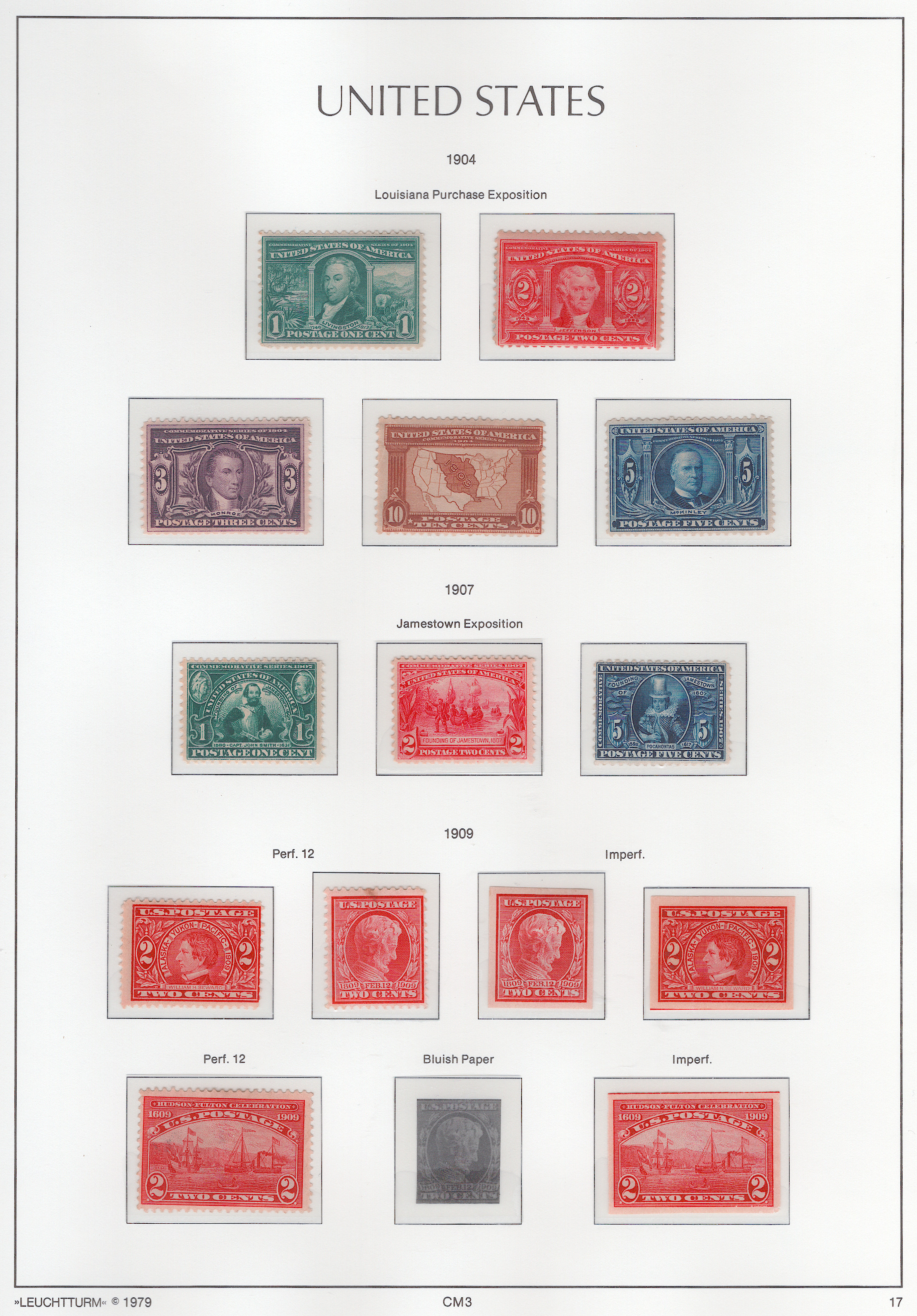
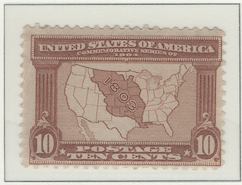
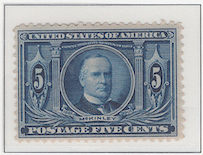
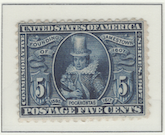
The brown stamp in the middle of the second row commemorates the annexation of Louisiana into the U.S. All of the stamps on the top two rows were issued to commemorate the Louisana Purchase Exposition, the theme of the St. Louis World’s Fair of 1904. I’m not sure what the other stamps have to do with Louisiana, though.
Note
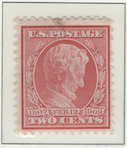
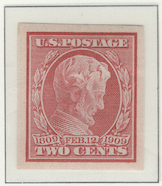
This page is almost finished. I have a couple of used stamps to replace and I’m missing one stamp of Abraham Lincoln at the bottom. That Lincoln stamp is expensive and not easy to find. I hope to complete this page some time this year.
Contains 15 spots: own 14 – 14 unused, 0 used.
Album or Web Page Last changed Mar 18, 2025
Stamp Details
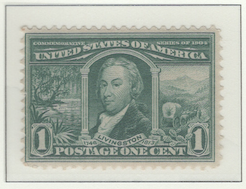
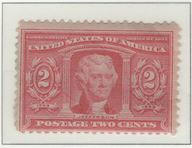
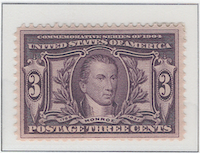
The table below lists information about the stamps shown on this page of Lighthouse’s stamp album. For more details about a particular stamp, click on its description. That will take you to the related web page of Colnect.
spot |
own |
catalog |
subject |
description |
comment |
Louisiana Purchase Expo.
✓ |
323 |
1c (apr 1904) |
Bought thru APS Store |
||
✓ |
324 |
2c (apr 1904) |
|||
✓ |
325 |
3c (apr 1904) |
|||
✓ |
327 |
10c (apr 1904) |
Bought thru APS Store |
||
✓ |
326 |
5c (apr 1904) |
Jamestown Expo. - World’s Fair
✓ |
328 |
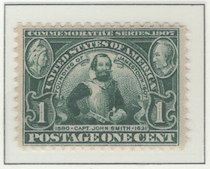
1c (apr 1907) |
Won at Auction; Concord, NH |
||
✓ |
329 |
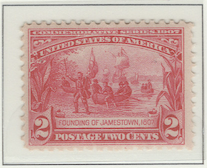
2c (apr 1907) |
Won at Auction; Concord, NH |
||
✓ |
330 |
5c (may 1907) |
Bought thru Las Vegas, Nev. |
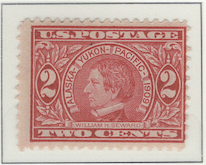
Alaska–Yukon–Pacific Expo. - Linoln
✓ |
370 |
2c (jun 1909) |
|||
✓ |
367 |
2c (feb 1909) |
|||
✓ |
368 |
Abraham Lincoln |
2c (feb 1909) |
||
✓ |
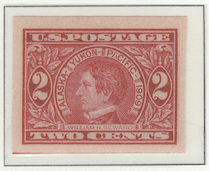
371 |
William Seward |
2c (jun 1909) |
Hudson-Fulton - Linoln Centenial
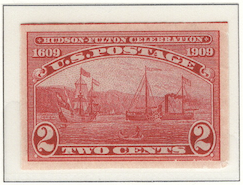
✓ |
372 |
2c (sep 1909) |
|||
369 |
2c (feb 1909) |
||||
✓ |
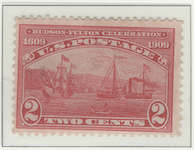
373 |
Henry Hudson’s Half Moon |
2c (sep 1909) |
Footnotes
Spot refers to the postion of the stamp on the album page (e.g., 3.2 indicates row 3, position 2).
Amt. is an abbreviation for the face amount of the stamp.
Own indicates the stamp status: ✓ for unused; ✗ for used or canceled; ⭑ signifies I ordered one; ; ✨ indicates it was bought recently; ✠ means an auction bid is pending; and ◎ is used, and it costs too much for unused.
To search by catalog number, go to the search box and enter it in the catalog number box. However, it’s a bit broken; I need to fix it.














