Moon Landing
In 1960, NASA began the Apollo Program with the goal of landing people on the Moon. The project was especially buoyed by the speeches and directives of President John Kennedy – in addition to a national desire to beat the Soviets to the Moon. His assassination only made the mission more important to Americans.
After several missions, NASA were successful with the Apollo XI space flight in 1969. While in orbit around the Moon, two members of the crew – Neil Armstrong and Edwin Aldrin – flew a Lunar Module to the surface and walked on the Moon, while the third crew member, Michael Collins remained in orbit so that they may all return to Earth.
As a boy, I remember the night they landed on the Moon. I watched on television with my parents, waiting for Neil Armstrong to exit the Lunar Module take that first step. My step-father wanted to make sure I didn’t miss it and that I appreciated how it was a significant, historical moment. I remember asking why it was a big deal since I had seen several movies and television shows in which people have been to the Moon and other planets. Citing in particular the original Star Trek series I had watched with my uncle and god-father over the previous few years, I said that we had also gone to other star systems. He explained to me that those TV shows were fiction and this was real. I was eight years old and didn’t fully grasp the distinction. But I watched as long as I could the steps of the Lunar module, waiting endlessly for them to exit the craft at 11 p.m. our time. I fell asleep and missed it.
Note
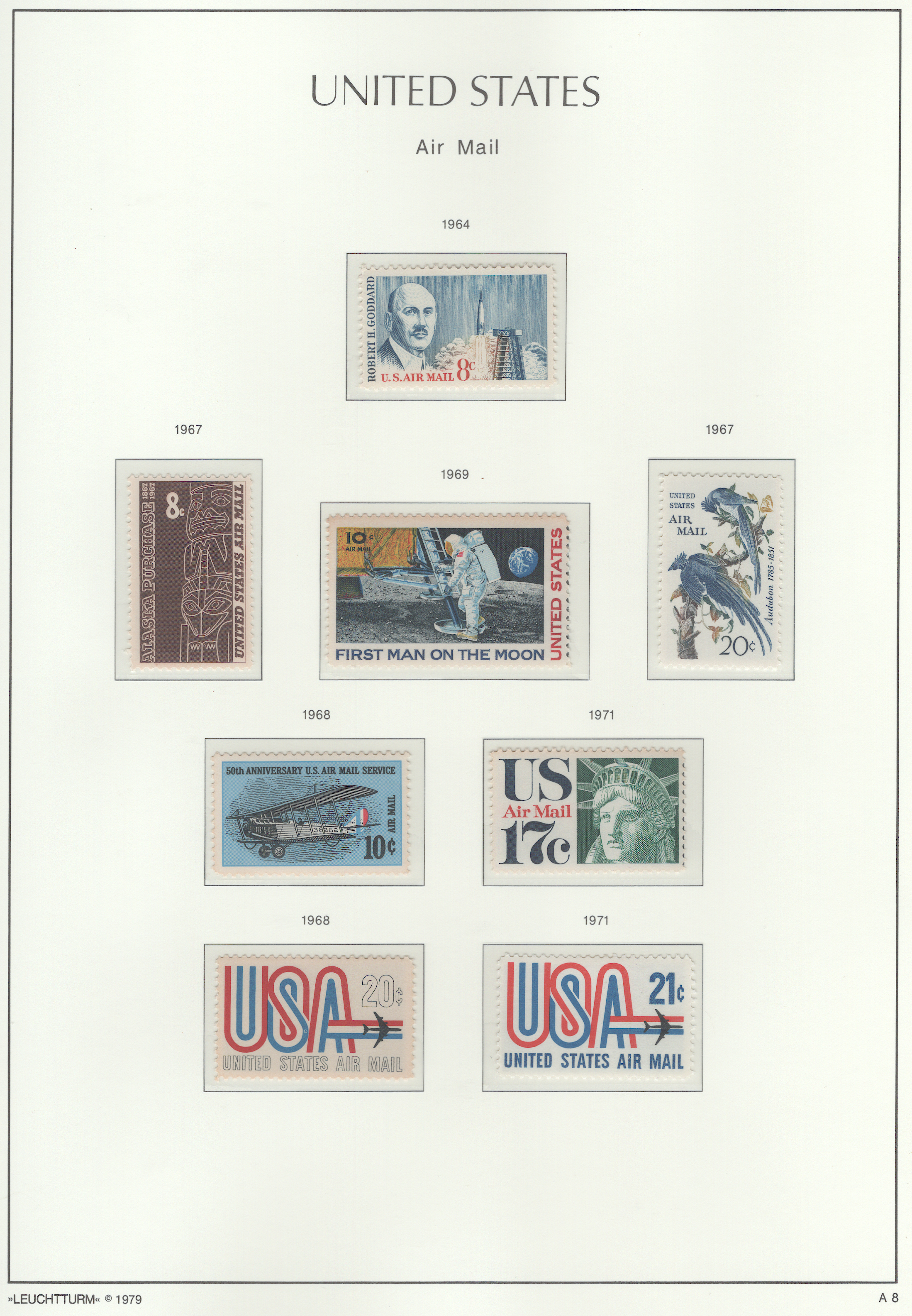
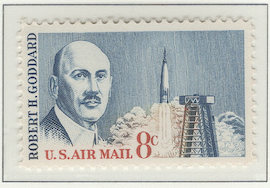
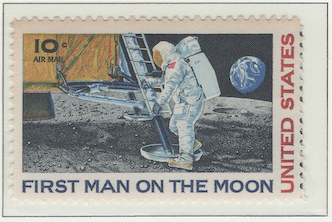
The stamp in the middle commemorates the Moon landing. This is another stamp I prized as a boy, and thought of owning for a long time. It’s a colorful and well designed stamp, albeit a little large for putting on an envelope. Related somehwat is the stamp at the top. It shows Robert Goddard, the engineer credited with making the fuel used to launch the first rockets – which presumably led to the fuel used for the Apollo spacecraft.
Contains 8 spots: own 8 – 8 unused, 0 used.
Page is finished.
Album or Web Page Last changed May 3, 2025
Stamp Details
The table below lists information about the stamps shown on this page of Lighthouse’s stamp album. For more details about a particular stamp, click on its description. That will take you to the related web page of Colnect.
spot |
own |
catalog |
subject |
description |
comment |
|---|---|---|---|---|---|
✓ |
C69 |
8c (oct 1964) |
|||
✓ |
C70 |
8c (mar 1967) |
|||
✓ |
C76 |
10c (sep 1969) |
|||
✓ |
C71 |
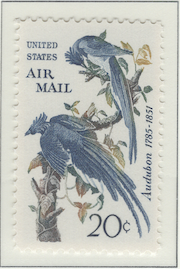
Black-Throated Magpie-Jay |
20c (apr 1967) |
||
✓ |
C74 |
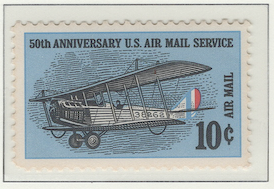
10c (may 1968) |
|||
✓ |
C80 |
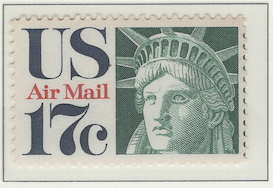
17c (jul 1971) |
|||
✓ |
C75 |
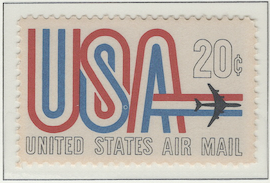
20c (nov 1968) |
|||
✓ |
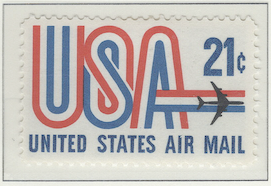
C81 |
21c (may 1971) |
Footnotes
Spot refers to the postion of the stamp on the album page (e.g., 3.2 indicates row 3, position 2).
Amt. is an abbreviation for the face amount of the stamp.
Own indicates the stamp status: ✓ for unused; ✗ for used or canceled; ⭑ signifies I ordered one; ; ✨ indicates it was bought recently; ✠ means an auction bid is pending; and ◎ is used, and it costs too much for unused.
To search by catalog number, go to the search box and enter it in the catalog number box. However, it’s a bit broken; I need to fix it.







