Volta & African Society
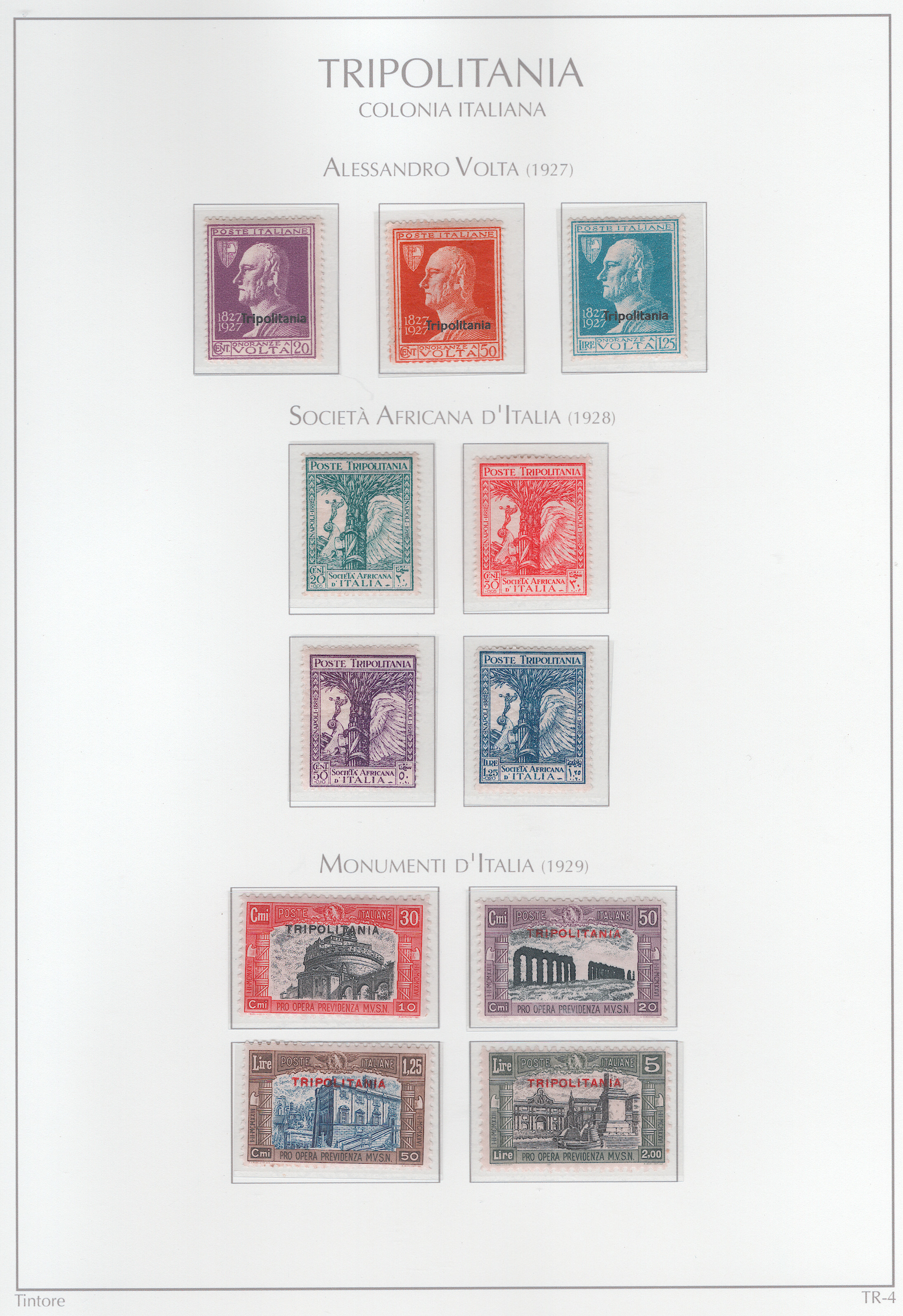
At the end of the 18th century, Alessandro Volta of Como invented the first battery. We get the word volts as an electrical measurement from his name. If you speak a little Italian, you may have learned that Italians call batteries, pile. This may be because Volta’s first battery was called a voltaic pile: its construction involved a stack or pile of metal discs with a rod through the center of them.
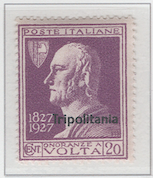
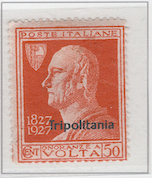
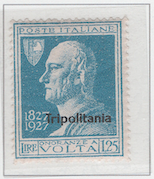
The four stamps at the top of this page of my album show an image of Volta. The dates in the bottom left corner read, 1827 – the year Volta died – to 1927. So it’s the 100th anniversary of his death. The same year this stamp was issued, they built a museum in honor of him in Como, by the lake. I’ve been to the Volta museum a few times – well, I’ve passed by it, but never went inside since it was always closed when I was there.
African Society of Italy
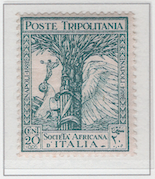
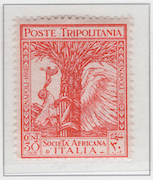
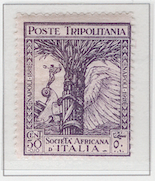
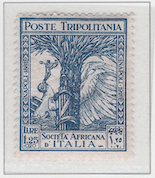
The set of stamps at the top of this page are for the African Society of Italy (Società Africana d’Italia). It was a cultural and political organization focusing on educating the Italian public on Africa, and on the promotion of Italian colonization of Africa. It was founded in Naples in 1880 and ceased at the end of second world war with the dispersal of the Italian colonies.
In addition to financing and directing exploration of the eastern part of Africa, in particular around the horn of Africa, they also organized trips for Italians into the area. And they conducted courses and educational programs for Africans to train them to become Italian colonial leaders – teaching about Italian ways and systems.
Roman Acquaduct
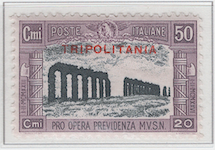
Aqua_Claudia is an ancient acquaduct that transported water from a nearby mountain about forty-three miles away, through a filtration system, to Rome to be used by the general public, farmers, and others. Its construction was started in the year 38 and finished in the year 52 under the rule of Emperor Claudius. A section of this acquaduct can be seen in the second stamp on the first row here. You can see a drawing on this stamp in the set of historical monument stamps.
Note
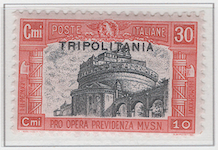
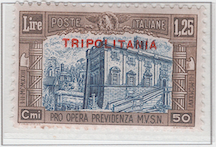
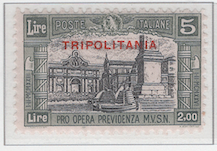
This page has another set of historical monuments, the same as the ones on the previous album page. On that page I describe St. Angelo Castle in Rome. Here I describe the Claudia Acquaduct.
Contains 11 spots: own 11 – 11 unused, 0 used.
Page is finished.
Album or Web Page Last changed Jul 10, 2025
Stamp Details
The table below lists information about the stamps shown on this page of Lighthouse’s stamp album. For more details about a particular stamp, click on its description. That will take you to the related web page of Colnect.
spot |
own |
catalog |
subject |
description |
comment |
Alessandro Volta
✓ |
43 |
20c (oct 1927) |
|||
✓ |
44 |
50c (oct 1927) |
|||
✓ |
45 |
1.25₤ (oct 1927) |
African Society of Italy
✓ |
46 |
20+5c (oct 1928) |
|||
✓ |
47 |
30+5c (oct 1928) |
|||
✓ |
48 |
50+10c (oct 1928) |
|||
✓ |
49 |
1.25+0.20₤ (oct 1928) |
Milizia Social Security Fund (M.V.S.N.)
✓ |
50 |
Castel Sant’Angelo |
30+10c (mar 1929) |
||
✓ |
51 |
50+20c (mar 1929) |
|||
✓ |
52 |
1.25+0.50₤ (mar 1929) |
|||
✓ |
53 |
5+2₤ (mar 1929) |
Footnotes
Spot refers to the postion of the stamp on the album page (e.g., 3.2 indicates row 3, position 2).
Amt. is an abbreviation for the face amount of the stamp.
Own indicates the stamp status: ✓ for unused; ✗ for used or canceled; ⭑ signifies I ordered one; ; ✨ indicates it was bought recently; ✠ means an auction bid is pending; and ◎ is used, and it costs too much for unused.
To search by catalog number, go to the search box and enter it in the catalog number box. However, it’s a bit broken; I need to fix it.










