Lombardia
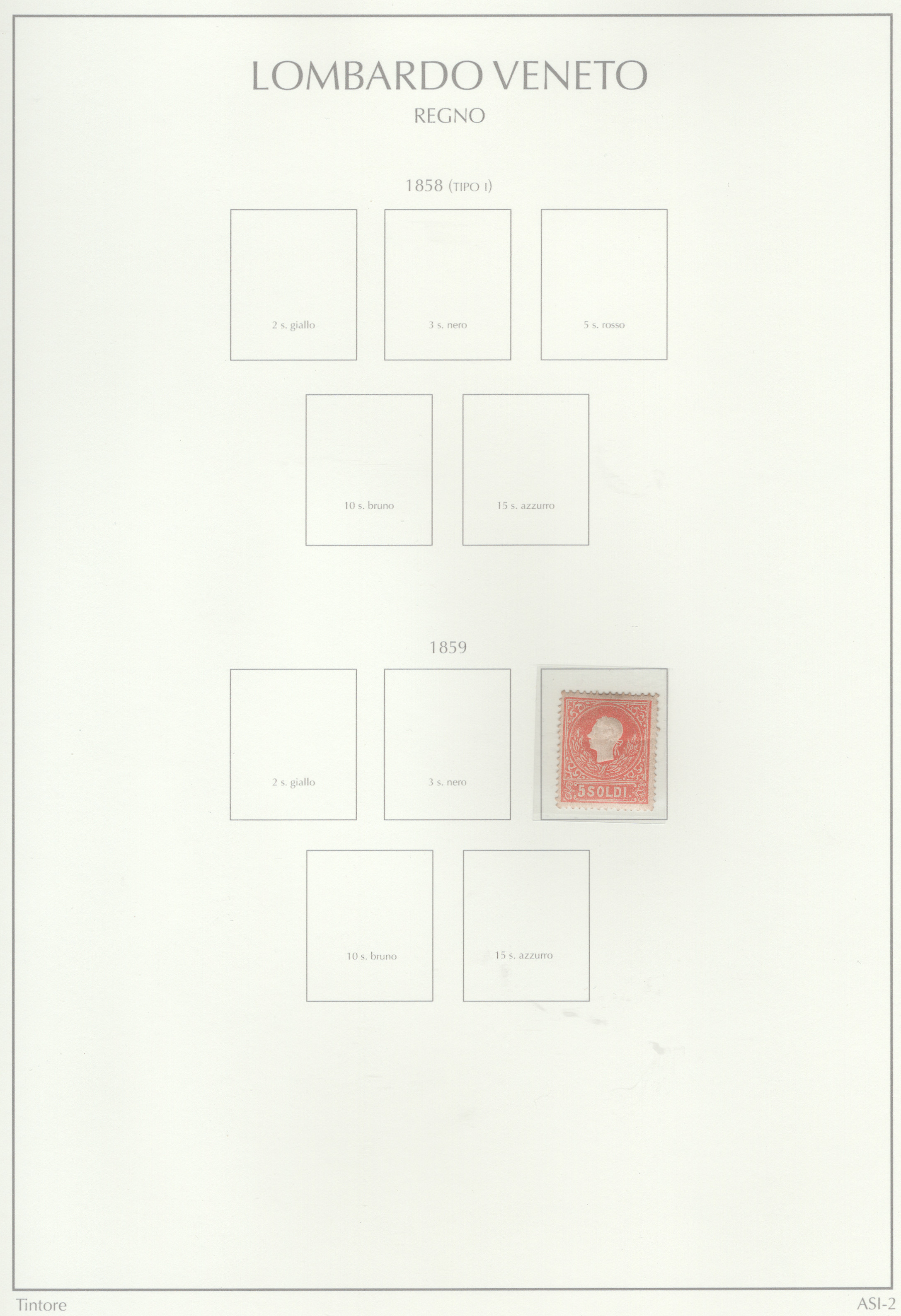
When postage stamps were first made, they were printed in sheets of several stamps. When you went to the post office to buy a stamp, they would use scissors or a knife to cut apart to sell you one. The process of separating postage was time consuming and irritating.
In 1847, Henry Archer from the U.S. invented a machine that would cut the stamp pages with rotating blades. Although it was faster than cutting them by hand, it didn’t work too well. It sometimes missed the mark, cutting the stamps across the image instead of staying in the margins. Also, it required the stamps to be cut apart at the printers. With the stamps in singles, it made them more difficult to transport to the post offices without losing some, and a bother to take inventory.
A year later, Archer invented a machine that punched small holes in the stamp sheet, perforations for postal workers to be able to separate the stamps manually at the point of sale. The British government did some trials for him that were successful before buying his perforating machines. It wasn’t long before the U.S. and other countries bought them, too.
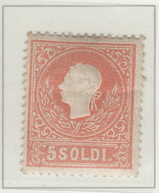
These stamps from the Kingdom of Lombadia-Venetia were printed in 1858 and were the first perforated stamps of what would become Italy.
For more on perforation, see my Stamp Perforations video.
Note
I have only one of these stamps – I got at an auction. This album is still new to me and these stamps are pricey. It’s going to take me time to get them. At this point, I’m focusing on stamps from the Papal States and stamps from the Kingdom of Two Sicilies.
Contains 10 spots: own 1 – 1 unused, 0 used.
Album or Web Page Last changed Jul 7, 2023
Stamp Details
The table below lists information about the stamps shown on this page of Lighthouse’s stamp album. For more details about a particular stamp, click on its description. That will take you to the related web page of Colnect.
spot |
own |
catalog |
subject |
description |
comment |
|---|---|---|---|---|---|
23 |
2s (1858) |
||||
24 |
3s (1858) |
||||
25 |
5s (1858) |
||||
26 |
10s (1858) |
||||
27 |
15s (1858) |
||||
28 |
2s (1859) |
||||
29 |
3s (1859) |
||||
✓ |
30 |
Francesco Giuseppe |
5s (1859) |
||
31 |
10s (1859) |
||||
32 |
15s (1859) |
Footnotes
Spot refers to the postion of the stamp on the album page (e.g., 3.2 indicates row 3, position 2).
Amt. is an abbreviation for the face amount of the stamp.
Own indicates the stamp status: ✓ for unused; ✗ for used or canceled; ⭑ signifies I ordered one; ; ✨ indicates it was bought recently; ✠ means an auction bid is pending; and ◎ is used, and it costs too much for unused.
To search by catalog number, go to the search box and enter it in the catalog number box. However, it’s a bit broken; I need to fix it.









