Tientsin
Tianjin is a city on the Bohai Sea in northern China, about 120 kilometers southeast of Beijing. The name means “the ford of the emperor” (天津) and is usually credited to the Yongle Emperor of the Ming dynasty, who crossed the river there on his way south to overthrow his nephew. Before pinyin, the postal romanization spelled it Tientsin, and the current English spelling was adopted in 1958. The city grew up around the Grand Canal, which carried grain from southern China to the north, and by the 17th century it was a center of commerce.
In 1856, Chinese soldiers boarded The Arrow, a Chinese-owned ship flying the British flag that was suspected of piracy and smuggling. In response, the British and French captured the Taku forts near Tianjin in May 1858. As a result, the Treaty of Tientsin was signed in June of that year, and Tianjin was formally opened to foreign trade when it was ratified in 1860. Between 1895 and 1900, Britain and France were joined by Japan, Germany, Russia, Austria-Hungary, Italy and Belgium, and each set up its own self-contained concession. However, the foreign presence was not always peaceful, as the Boxer Rebellion in 1900 showed. The Eight-Nation Alliance recaptured the city that July and ran it through the Tianjin Provisional Government until August 15, 1902.
Japan took Tianjin in July 1937, though it generally left the foreign concessions alone until 1941. After that, only the Italian and French concessions were allowed to remain. When Italy signed an armistice in September 1943, Japanese troops took the Italian concession following a battle with its garrison. Japanese occupation ended on August 15, 1945, and the Chinese Communist Party took the city on January 15, 1949. Much of the concession architecture is still standing today (e.g., churches, villas and mansions), which is probably the best reminder of how many nations once had a piece of the city.
Note
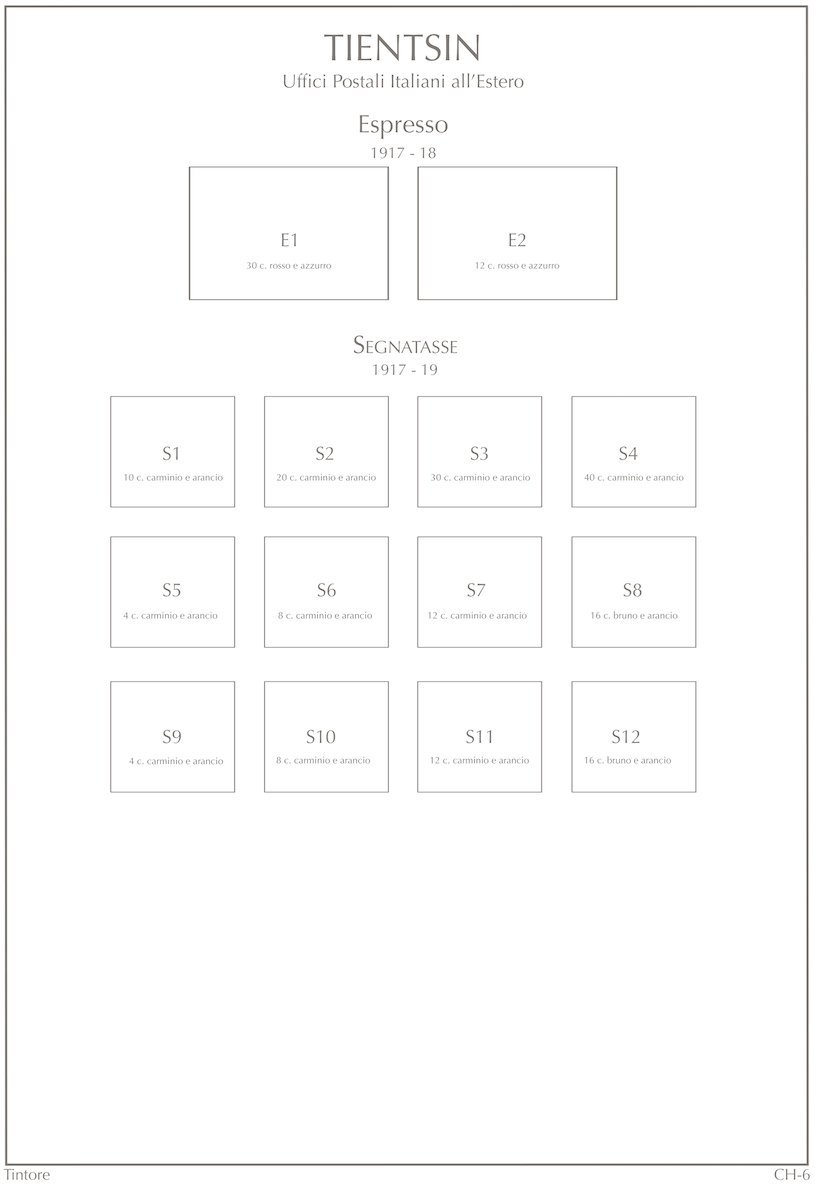
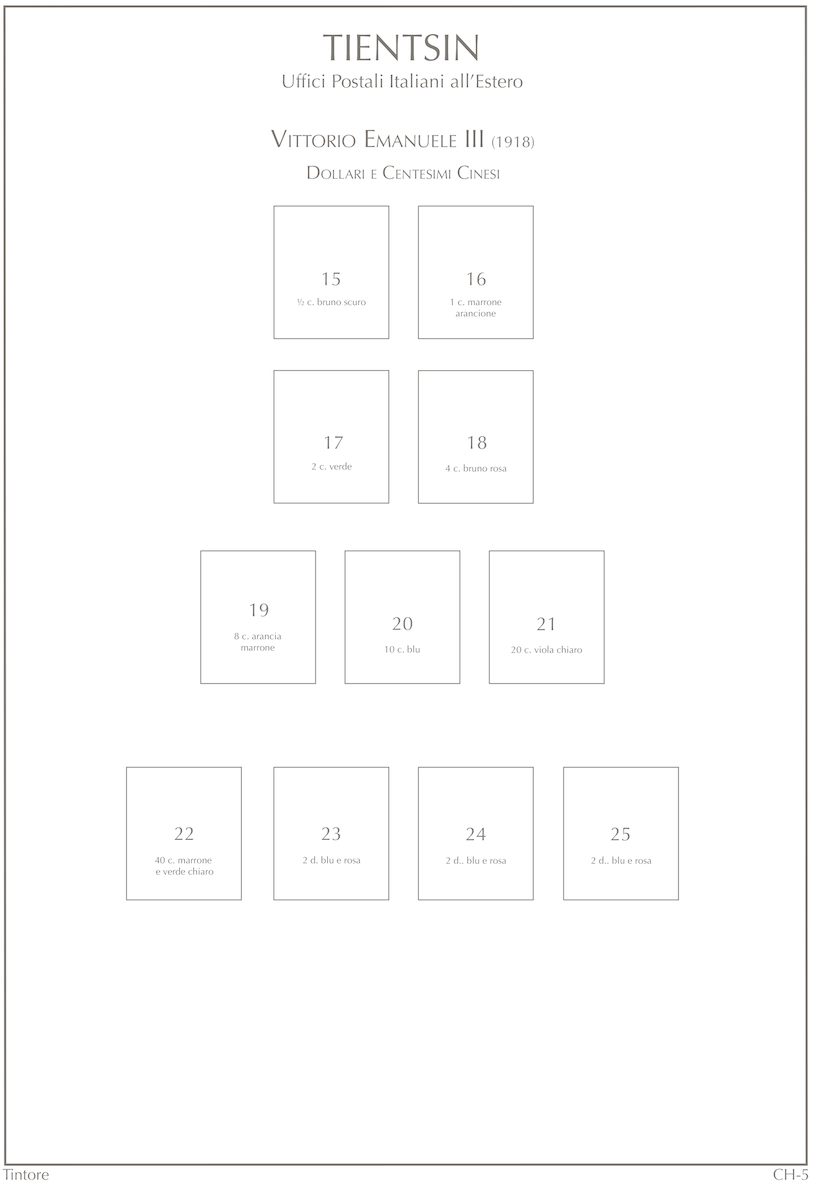
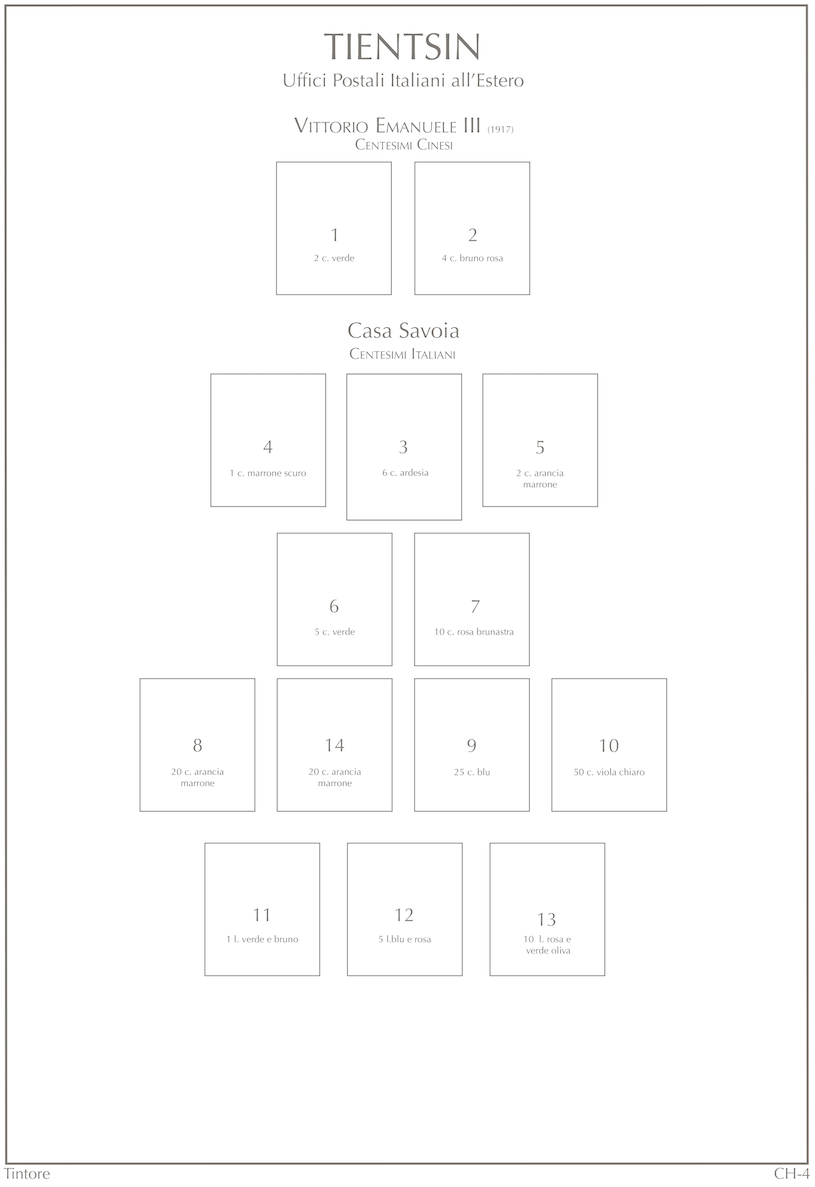
Like with the Pechino stamps, there are three album pages for the Italian post office in Tianjin, China. I created the layout and printed these pages, but I own any of these stamps. Once I start buying them from dealers – which are readily available, but not expensive – then I’ll separate this web page into three web pages, one for each album page.
Album Page CH-4
spot |
own |
catalog |
subject |
description |
comment |
|---|---|---|---|---|---|
1 |
Vittorio Emanuele III - Leoni |
2c (jan 1917) |
|||
2 |
Vittorio Emanuele III - Leoni |
4c (jan 1917) |
|||
4 |
Savoy Emblem |
1c (jan 1917) |
|||
3 |
Vittorio Emanuele III - Michetti |
6c (jan 1917) |
|||
5 |
Savoy Crest |
2c (jan 1917) |
|||
6 |
Vittorio Emanuele III - Leoni |
5c (jan 1917) |
|||
7 |
Vittorio Emanuele III - Leoni |
10c (jan 1917) |
|||
8 |
Vittorio Emanuele III - Michetti |
20c (jan 1917) |
|||
14 |
Vittorio Emanuele III - Michetti |
20c (jan 1918) |
|||
9 |
Vittorio Emanuele III - Michetti |
25c (jan 1917) |
|||
10 |
Vittorio Emanuele III - Michetti |
50c (jan 1917) |
|||
11 |
Vittorio Emanuele III - Cellini |
1₤ (jan 1917) |
|||
12 |
Vittorio Emanuele III - Cellini |
5₤ (jan 1917) |
|||
13 |
Vittorio Emanuele III - Cellini |
10₤ (jan 1917) |
Album Page CH-5
spot |
own |
catalog |
subject |
description |
comment |
|---|---|---|---|---|---|
15 |
Savoy Emblem |
½c (jan 1918) |
|||
16 |
Savoy Crest |
1c (jan 1918) |
|||
17 |
Vittorio Emanuele III - Leoni |
2c (jan 1918) |
|||
18 |
Vittorio Emanuele III - Leoni |
4c (jan 1918) |
|||
19 |
Vittorio Emanuele III - Michetti |
8c (jan 1918) |
|||
20 |
Vittorio Emanuele III - Michetti |
10c (jan 1918) |
|||
21 |
Vittorio Emanuele III - Michetti |
20c (jan 1918) |
|||
22 |
Vittorio Emanuele III - Cellini |
40c (jan 1918) |
|||
23 |
Vittorio Emanuele III - Cellini |
$2 (jan 1918) |
|||
24 |
Vittorio Emanuele III - Cellini |
$2 (jan 1919) |
|||
25 |
Vittorio Emanuele III - Cellini |
$2 (jan 1921) |
Album Page CH-6
spot |
own |
catalog |
subject |
description |
comment |
|---|---|---|---|---|---|
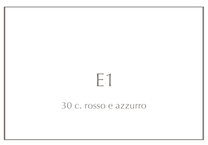
E1 |
Espresso |
30c (dec 1917) |
|||
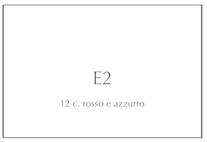
E2 |
Espresso |
12c (jan 1918) |
|||
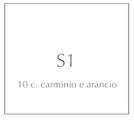
S1 |
Value within Oval |
10c (dec 1917) |
|||
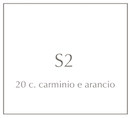
S2 |
Value within Oval |
20c (dec 1917) |
|||
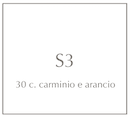
S3 |
Value within Oval |
30c (dec 1917) |
|||
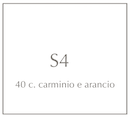
S4 |
Value within Oval |
40c (dec 1917) |
|||
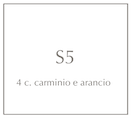
S5 |
Value within Oval |
4c (jan 1918) |
|||
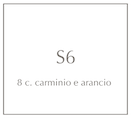
S6 |
Value within Oval |
8c (jan 1918) |
|||
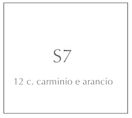
S7 |
Value within Oval |
12c (jan 1918) |
|||
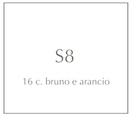
S8 |
Value within Oval |
16c (jan 1918) |
|||
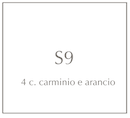
S9 |
Value within Oval |
4c (jan 1919) |
|||
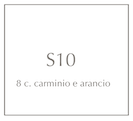
S10 |
Value within Oval |
8c (jan 1919) |
|||
S11 |
Value within Oval |
12c (jan 1919) |
|||
S12 |
Value within Oval |
16c (jan 1919) |
Footnotes
Spot refers to the postion of the stamp on the album page (e.g., 3.2 indicates row 3, position 2).
Amt. is an abbreviation for the face amount of the stamp.
Own indicates the stamp status: ✓ for unused; ✗ for used or canceled; ⭑ signifies I ordered one; ; ✨ indicates it was bought recently; ✠ means an auction bid is pending; and ◎ is used, and it costs too much for unused.
To search by catalog number, go to the search box and enter it in the catalog number box. However, it’s a bit broken; I need to fix it.






































