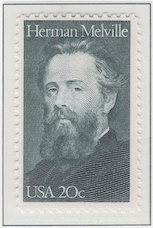
Herman Melville
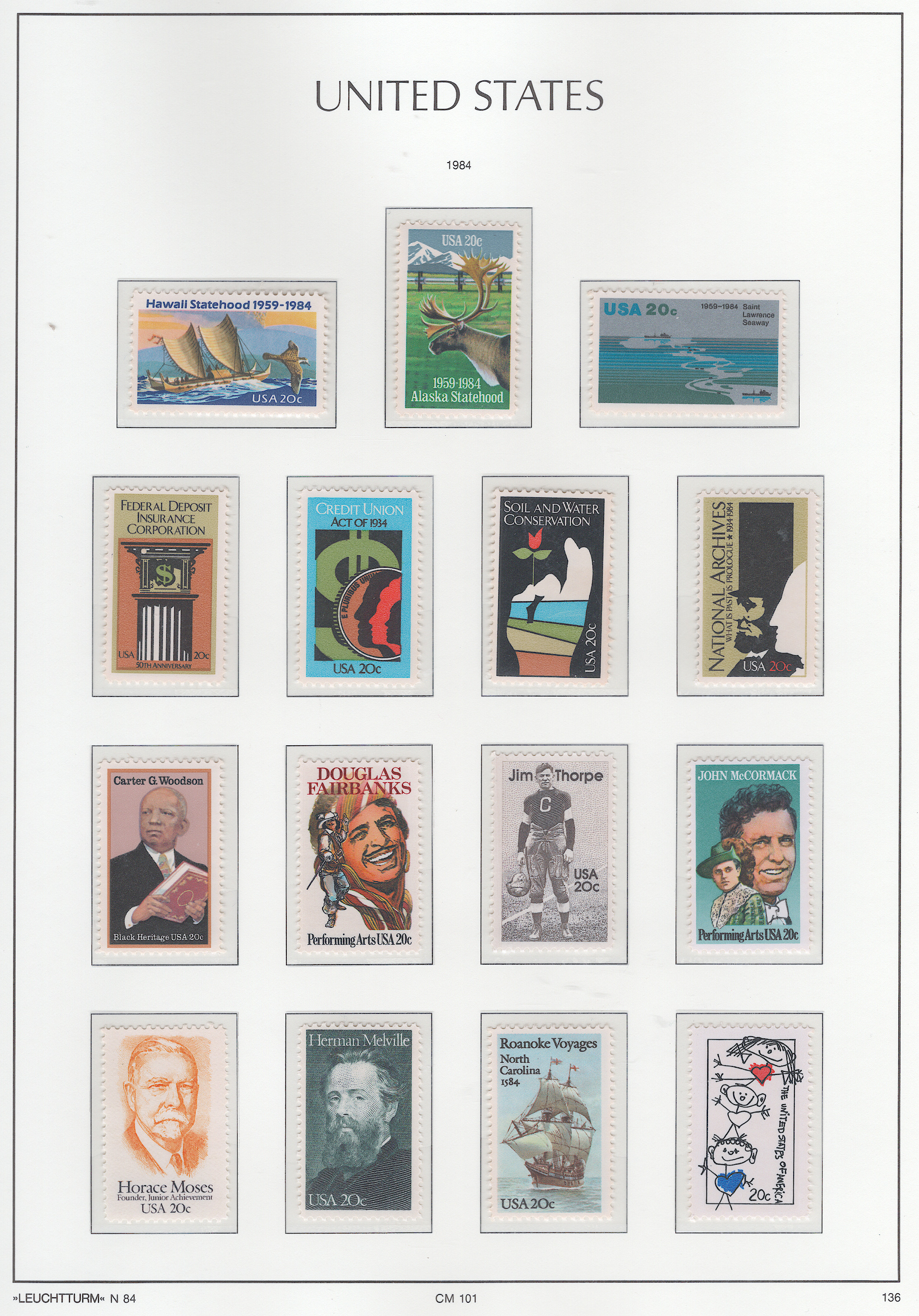
Herman Melville was a famous American writer from the 19th Century, born in New York. When he was twenty, he worked on a mercent ship for a while before working on a whaler in the Pacific Ocean. He lived for a while on the French Polynesian Marquesas Islands. He also spent some time in the U.S. Navy. When he returned from his travels, he told family and friends of his exeriences, to which they suggested he write about them.
Melville’s first book, Typee and its sequel, Omoo were travel and adventure narratives of his time in the South Pacific. They were hugely successful, best-sellers of their time. He went on to write Mardi, which is more of a romance, and Redburn. He also wrote a book about his time the U.S. Navy, White Jacket, which is more fictional than the others.
Then in 1851 he wrote Moby-Dick, now his best known work. It was an epic novel that not successful. The publishers sold only a few hundred copies. It would not be until many years after his death before it would be appreciated and be considered one of America’s great works of fiction. In his final years, Melville wrote but did not finish Billy Budd, which was published over thirty years after his death.
Note
At this point, many of the stamps issued commemorate individual people: actors, writers, doctors, and others. Long gone are the days in which most stamps issued depict Washington, Franklin, Lincoln and a few other political leaders. It’s feeling more like a democracy with people who have more to contribute than just political leadership.
In a PBS docudrama, The Adams Chronicles, the John Quincy Adams character said to his sons, “I studied war so that you may live in a world of peace and be able to study science, so that when you have sons one day they may study the arts.” The stamps are reflecting a time when that’s no longer about the struggle for independence, for keeping the union together, for survival. It’s become a time of maturity and satisfaction in what we’ve done and continue to do.
Contains 15 spots: own 15 – 15 unused, 0 used.
Page is finished.
Album or Web Page Last changed May 8, 2025
Stamp Details
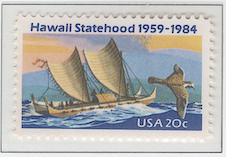
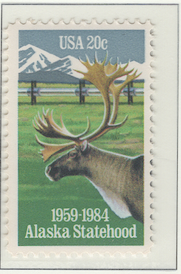
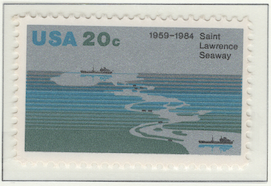
The table below lists information about the stamps shown on this page of Lighthouse’s stamp album. For more details about a particular stamp, click on its description. That will take you to the related web page of Colnect.
spot |
own |
catalog |
subject |
description |
comment |
Statehood
✓ |
2080 |
20c (mar 1984) |
|||
✓ |
2066 |
20c (jan 1984) |
Other
✓ |
2091 |
20c (jun 1984) |
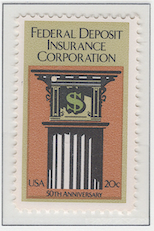
Banks & Investment Institutions
✓ |
2071 |
20c (jan 1984) |
|||
✓ |
2075 |
Credit Union |
20c (feb 1984) |
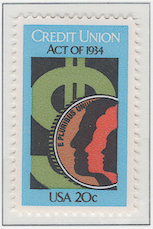
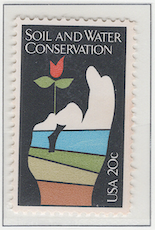
Other
✓ |
2074 |
20c (feb 1984) |
|||
✓ |
2081 |
20c (apr 1984) |
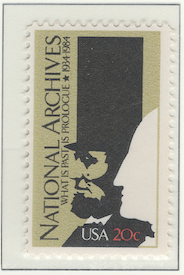
Famous Americans
✓ |
2073 |
20c (feb 1984) |
|||
✓ |
2088 |
20c (may 1984) |
|||
✓ |
2089 |
20c (may 1984) |
|||
✓ |
2090 |
20c (jun 1984) |
|||
✓ |
2095 |
20c (aug 1984) |
|||
✓ |
2094 |
20c (aug 1984) |
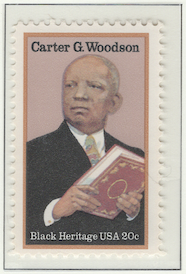
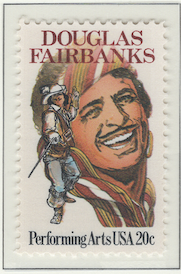
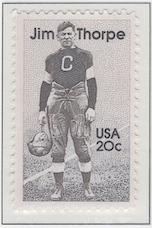
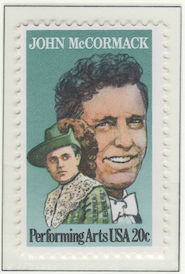
Other
✓ |
2093 |
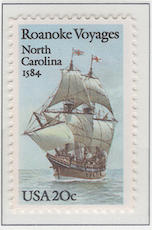
Roanoke Voyage |
20c (jul 1984) |
||
✓ |
2104 |
20c (oct 1984) |
Footnotes
Spot refers to the postion of the stamp on the album page (e.g., 3.2 indicates row 3, position 2).
Amt. is an abbreviation for the face amount of the stamp.
Own indicates the stamp status: ✓ for unused; ✗ for used or canceled; ⭑ signifies I ordered one; ; ✨ indicates it was bought recently; ✠ means an auction bid is pending; and ◎ is used, and it costs too much for unused.
To search by catalog number, go to the search box and enter it in the catalog number box. However, it’s a bit broken; I need to fix it.














