Antonio Gramsci
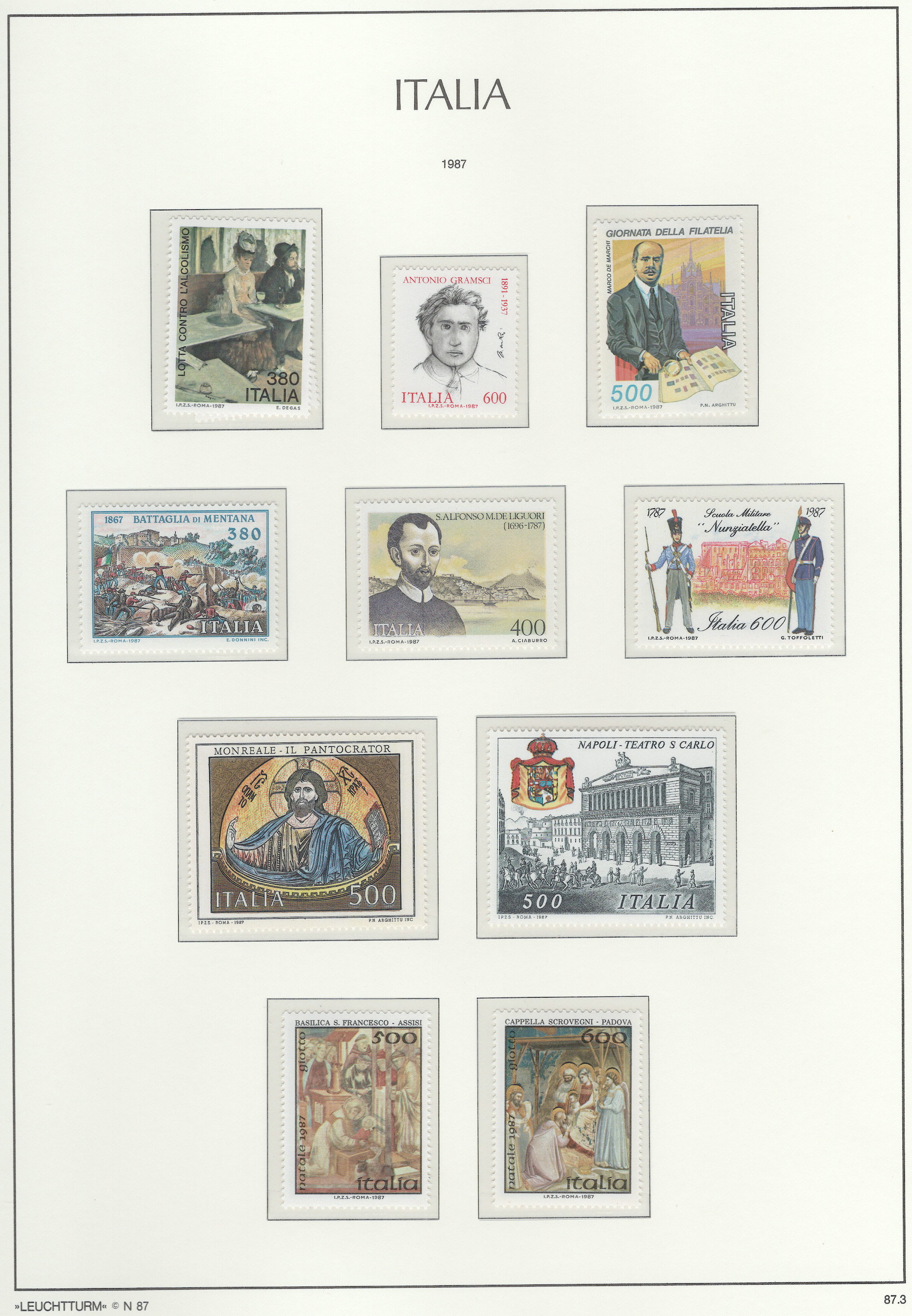
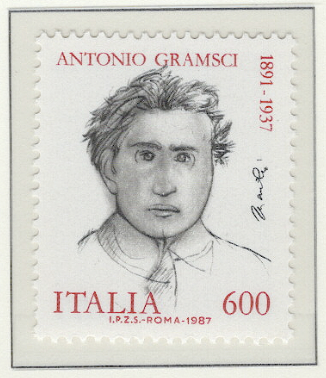
Antonio Gramsci was born on January 22, 1891, in Ales, Sardinia. His father was imprisoned for embezzlement in 1898, which left the family destitute. Gramsci left school to work until his father was released in 1904. He won a scholarship to the University of Turin in 1911, but money problems and poor health made him leave in 1915. He joined the Italian Socialist Party in 1913 and wrote for socialist newspapers from 1914. In 1919 he co-founded the weekly L’Ordine Nuovo (The New Order) with Palmiro Togliatti and others. In January 1921, he helped found the Communist Party of Italy in Livorno.
In November 1926, the Fascist government arrested him despite his parliamentary immunity. He was first sentenced to five years of confinement on the island of Ustica and then, the following year, to 20 years in prison at Turi, near Bari. During those years he wrote more than 30 notebooks, about 3,000 pages, which are known as the Prison Notebooks (Quaderni del carcere in Italian). His best known idea in them is cultural hegemony: the ruling class keeps control mainly through ideology and consent, not just force. His health declined in custody and he died in Rome on April 27, 1937, at the age of 46, shortly before he was due to be released.
Note
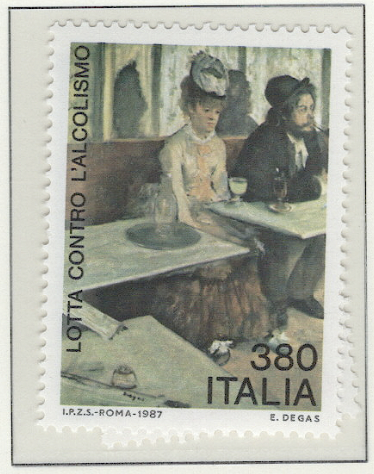
The Gramsci stamp is the middle one on the top row of this album page. It’s a moderately simple and interesting stamp design. I like the one to the left of it the best on this page, the one showing an Edgar Degas painting of two people at a bar. For some reason that was chosen for a stamp against alcoholism. Maybe they chose it because the woman isn’t drinking and looking sad.
Contains 10 spots: own 10 – 10 unused, 0 used.
Page is finished.
Album or Web Page Last changed Aug 23, 2023
Stamp Details
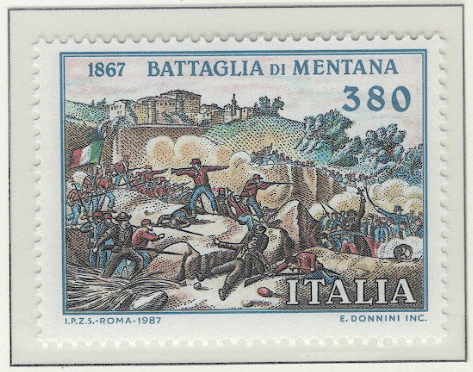
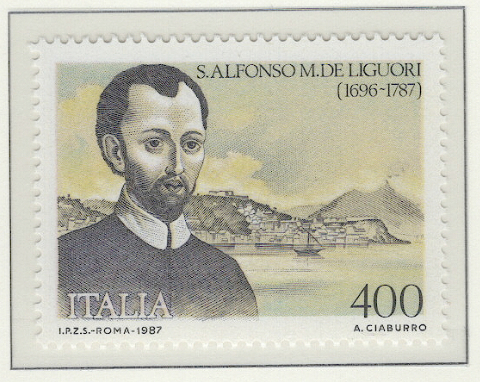
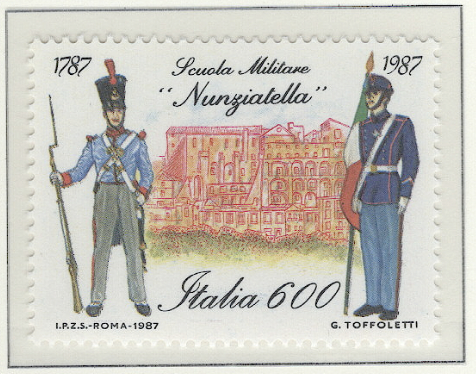
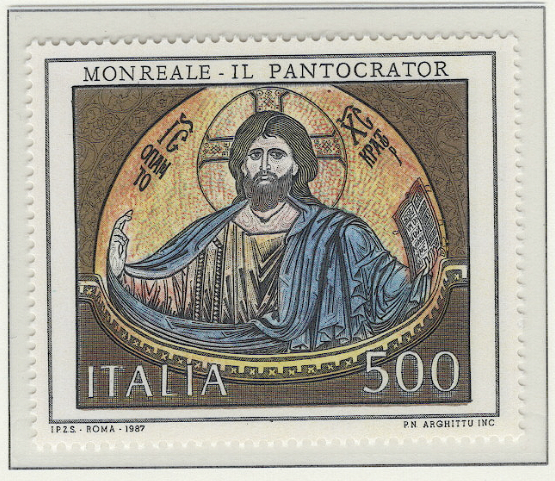
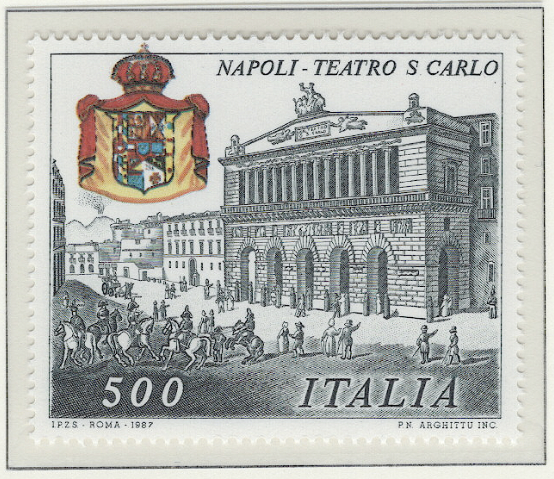
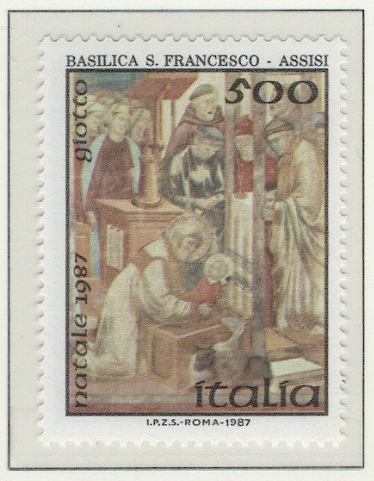
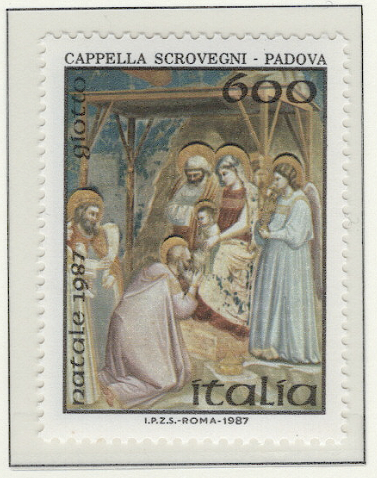
The table below lists information about the stamps shown on this page of Lighthouse’s stamp album. For more details about a particular stamp, click on its description. That will take you to the related web page of Colnect.
spot |
own |
catalog |
subject |
description |
comment |
|---|---|---|---|---|---|
✓ |
1806 |
380₤ (may 1987) |
|||
✓ |
1798 |
600₤ (apr 1987) |
|||
✓ |
1821 |
500₤ (nov 1987) |
|||
✓ |
1817 |
380₤ (nov 1987) |
|||
✓ |
1807 |
400₤ (oct 1987) |
|||
✓ |
1820 |
600₤ (nov 1987) |
|||
✓ |
1818 |
500₤ (nov 1987) |
|||
✓ |
1819 |
500₤ (nov 1987) |
Christmas & Holidays
✓ |
1815 |
500₤ (oct 1987) |
|||
✓ |
1816 |
600₤ (oct 1987) |
Footnotes
Spot refers to the postion of the stamp on the album page (e.g., 3.2 indicates row 3, position 2).
Amt. is an abbreviation for the face amount of the stamp.
Own indicates the stamp status: ✓ for unused; ✗ for used or canceled; ⭑ signifies I ordered one; ; ✨ indicates it was bought recently; ✠ means an auction bid is pending; and ◎ is used, and it costs too much for unused.
To search by catalog number, go to the search box and enter it in the catalog number box. However, it’s a bit broken; I need to fix it.









