Liberty Bell
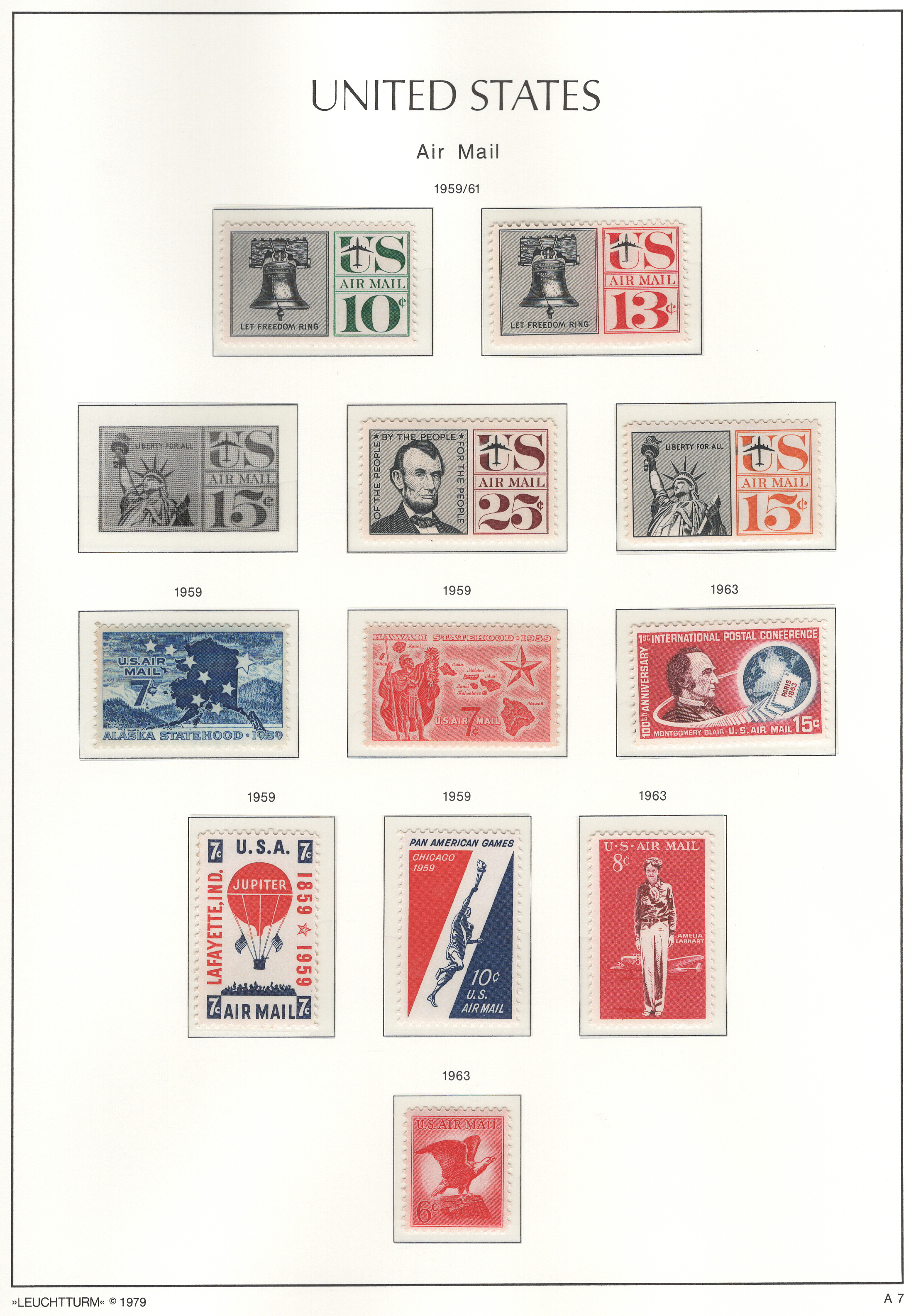
The Liberty Bell in Philadelphia, Pennsylvania is an historic symbol of democracy and freedom in the U.S. It was ordered in 1752 from a bell maker, a foundry in London – long before the idea of the colonies declaring independence. It was meant to be hung in the Pennsylvania state house. It was called the Liberty bell because of its inscription: Proclaim LIBERTY Throughout all the Land unto all the Inhabitants Thereof. The quote is from the bible, from Leviticus. It was common at that time to have biblical quotes inscribed on bells.
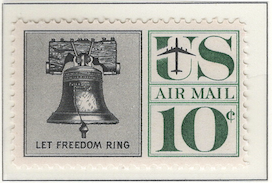
When the bell arrived in Philadelphia, before they hung it in the bell tower – which was still being built – they tested the sound of it with a hammer. It cracked because the metal was too brittle. The founder didn’t use enough copper in making the bronze; there was too much tin. The bell was given to a local foundry to fix. They melted the bell to a liquid and added pewter to reinforce it. They then poured it into a new cast to make a new bell. When they tested it, it had a clanging sound. So they melted it down again and tried to get the metal content right. The sound after the third time was acceptable, although not impressive. Somewhere over the years, because of the poor content mixture, a large crack started. This time they tried to patch it and stem the crack. The crack grew until they stopped ringing it. However, the bell with its crack as shown in the stamps on the top row, has become iconic – similar to the Chinese appreciation of Kintsugi, repaired broken pottery.
The Liberty Bell was used to announce the start of the Pennsylvania assembly and other key events – not every day or on the hour. It was rung along with all of the other bells in Philadelphia after the Declaration of Independence was completed and signed – which took a few days. In 1777, because British troops were about to overtake Philadelphia, the bell was removed and brought to Allentown and buried underneath a church. Otherwise, the British would have melted it to make bullets and weapons. After the British were gone, it was placed in Independence Hall. However, because of the crack, it was replaced a few years later. Eventually, it was put on display at ground level. I’ve seen the Liberty Bell: it’s incased in glass and located in across from Independence Hall.
Note
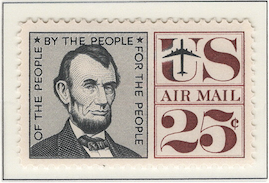
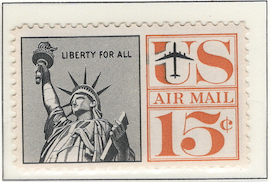
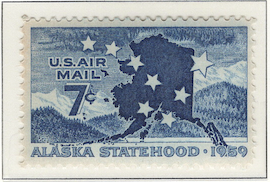
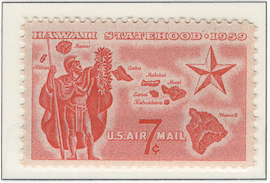
This page is complete. It has some nice looking stamp on it. They have a clean and modern style. I like them.
Contains 12 spots: own 12 – 12 unused, 0 used.
Page is finished.
Album or Web Page Last changed Mar 23, 2025
Stamp Details
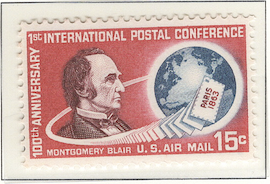
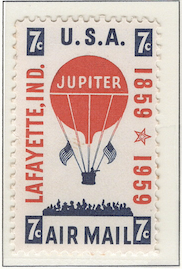
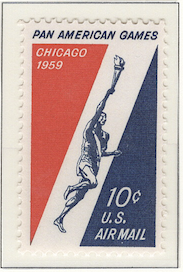
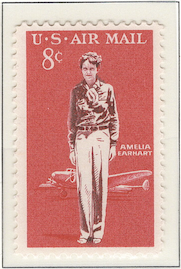
The table below lists information about the stamps shown on this page of Lighthouse’s stamp album. For more details about a particular stamp, click on its description. That will take you to the related web page of Colnect.
spot |
own |
catalog |
subject |
description |
comment |
|---|---|---|---|---|---|
✓ |
C57 |
10c (jun 1960) |
|||
✓ |
C62 |
13c (jun 1961) |
|||
✓ |
C58 |
15c (nov 1959) |
|||
✓ |
C59 |
25c (apr 1960) |
|||
✓ |
C63 |
15c (jan 1961) |
|||
✓ |
C53 |
7c (jan 1959) |
|||
✓ |
C55 |
7c (aug 1959) |
|||
✓ |
C66 |
15c (may 1963) |
|||
✓ |
C54 |
7c (aug 1959) |
|||
✓ |
C56 |
10c (aug 1959) |
|||
✓ |
C68 |
8c (jul 1963) |
|||
✓ |
C67 |
6c (jul 1963) |
Footnotes
Spot refers to the postion of the stamp on the album page (e.g., 3.2 indicates row 3, position 2).
Amt. is an abbreviation for the face amount of the stamp.
Own indicates the stamp status: ✓ for unused; ✗ for used or canceled; ⭑ signifies I ordered one; ; ✨ indicates it was bought recently; ✠ means an auction bid is pending; and ◎ is used, and it costs too much for unused.
To search by catalog number, go to the search box and enter it in the catalog number box. However, it’s a bit broken; I need to fix it.











