Rebellion
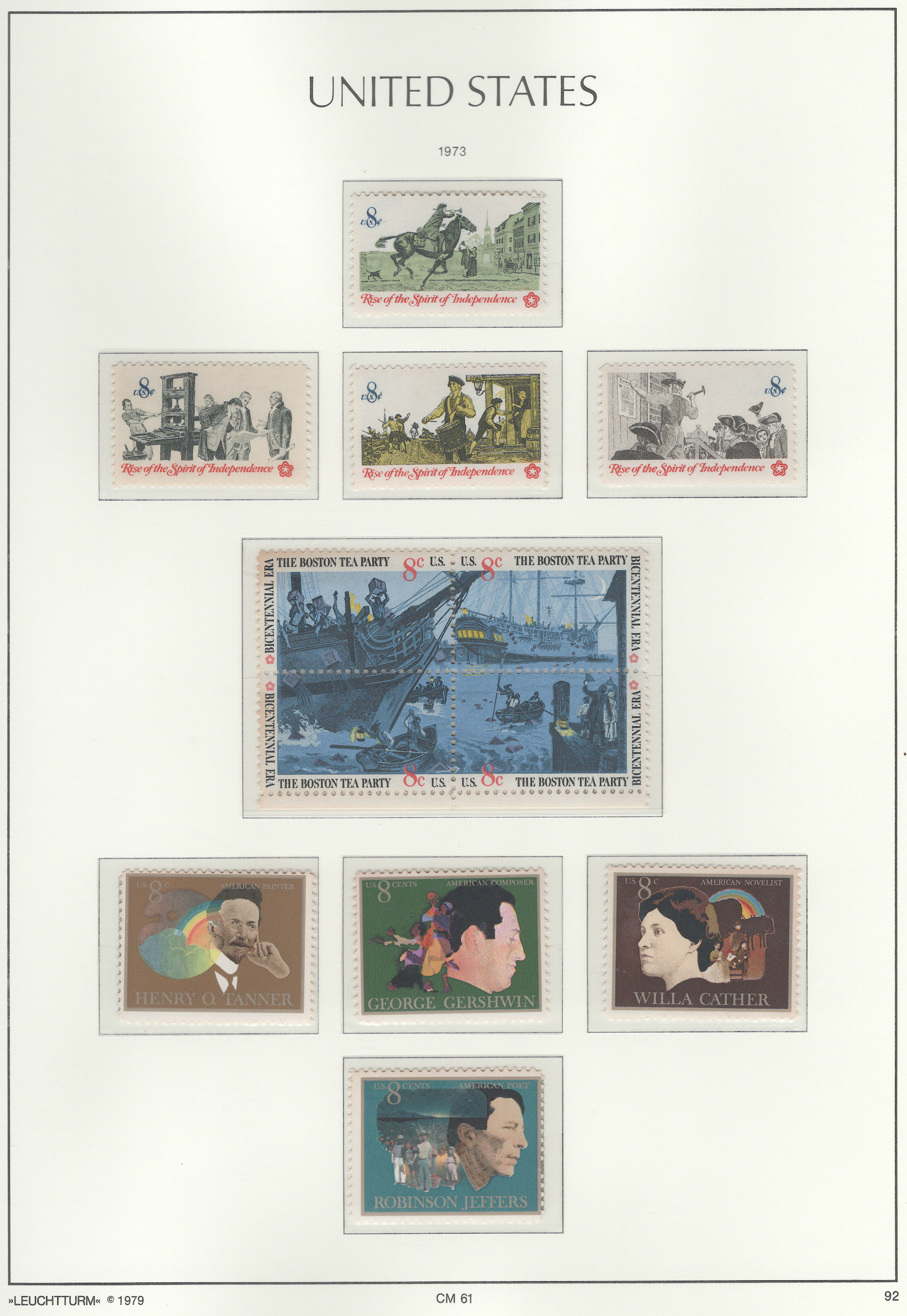
At the core of the rebellion of the British colonists was their dislike of being ruled without being allowed to participate in government. When the colonies were started, they were looked at as business adventures with a few people participating locally. After several decades and generations of people born in the colonies, the colonies became more than businesses. They became more like separate states. They had their own local government (i.e., Houses of Burgesses), but they were very much controled by the King and the Parliament in London. The British colonists would have been fine with that, except that they were not allowed to elect members of Parliament to represent them in London.
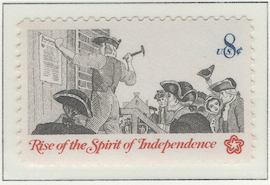
In the late 1760s, there was a significant trade in importing tea from China. Hot tea was drunk daily by subjects of the British empire all over the world. A British business, the East India Company was granted by the British Parliament a monopoly on the importing of tea into the British empire, including the colonies. In return, the East India Company had to pay a twenty-five percent tariff on those imports, which led to higher prices to consumers. This resulted in people smuggling tea from the Netherlands, another major importer of tea. East India complained that it was having difficulty competing, so Parliament refunded them the tax collected in England. To offset that refund, though, the Parliament directly taxed the colonists for tea purchased.
The colonists protested the additional tax on tea in the colonies because, according to the British constitution, Parliament could not impose laws including taxes on them without representation in Parliament. They felt they were being treated badly and unfairly. The result of ultimately higher costs to consumers led to more smuggling, more loss of sales for the East India Company, and in turn, more legislation (i.e., the Tea Act of 1773) to try to remedy the situation – without conceding politically on the colonists’ rights. These maneuvers resolved very little, and increased the taxes for the colonists, all the while ignoring their rights as British subjects.
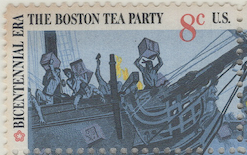
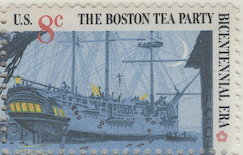
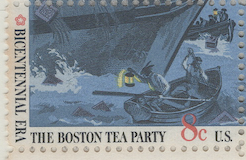
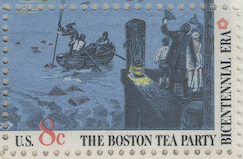
In late 1773, seven East India Company ships containing tea arrived in the colonies: one each in New York, Philadelphia, and Charleston, with four landing in Boston. In all but Boston, colonists – known as the Sons of Liberty, which was founded by Samuel Adams – convinced the local merchants, the tea consignees to refuse the cargo and send it back to England. In Boston, Adams organized a meeting with consignees to reason with them to send the tea back to England, but made no progess. Frustrated by the situation, about a hundred colonists left the meeting and went to the ships, some disguised as Mohawks, and threw the tea into Boston Harbor – about ninety-two thousand pounds of tea. Afterwards, more tea from other ships in the colonies were destroyed.
In 1775, a partial repeal of the Tea Act was passed in Parliament to appease the colonists. However, dissent throughout the colonies on several matters had already started, which began the rebellion. In July 1776, leaders of the colonists signed the Declaration of Independece, which led to the Revolutionary War. They repealed complete the Tea Act in 1778, hoping to take the energy out of the revolution. It was too late; the rebels wouldn’t return to colonial rule.
Note
Maybe it’s the blue tone, or the art work, but as a kid I always liked the Boston Tea Party set of stamps. I started collecting stamps a couple of years after they were issued, so I wasn’t able to buy them at the post office. I saw them in the stamp catalog, Stamps & Stories and wanted a set very much. It would be quite a while, though, before I found them for sale at a local stamp dealer. I was very pleased when I bought these.
Contains 12 spots: own 12 – 12 unused, 0 used.
Page is finished.
Album or Web Page Last changed May 3, 2025
Stamp Details
The table below lists information about the stamps shown on this page of Lighthouse’s stamp album. For more details about a particular stamp, click on its description. That will take you to the related web page of Colnect.
spot |
own |
catalog |
subject |
description |
comment |
American Revolution Bicentential
✓ |
1478 |
8c (jun 1973) |
|||
✓ |
1476 |
8c (feb 1973) |
|||
✓ |
1479 |
8c (sep 1973) |
|||
✓ |
1477 |
8c (apr 1973) |
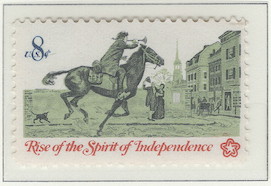
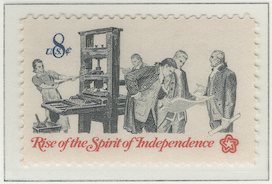
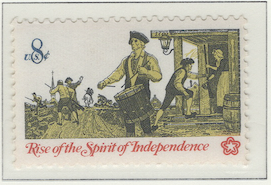
Boston Tea Party
✓ |
1480 |
8c (jul 1973) |
|||
✓ |
1481 |
8c (jul 1973) |
|||
✓ |
1482 |
8c (jul 1973) |
|||
✓ |
1483 |
8c (jul 1973) |
American Artists
✓ |
1486 |
8c (sep 1973) |
|||
✓ |
1484 |
8c (feb 1973) |
|||
✓ |
1487 |
8c (sep 1973) |
|||
✓ |
1485 |
8c (aug 1973) |
Footnotes
Spot refers to the postion of the stamp on the album page (e.g., 3.2 indicates row 3, position 2).
Amt. is an abbreviation for the face amount of the stamp.
Own indicates the stamp status: ✓ for unused; ✗ for used or canceled; ⭑ signifies I ordered one; ; ✨ indicates it was bought recently; ✠ means an auction bid is pending; and ◎ is used, and it costs too much for unused.
To search by catalog number, go to the search box and enter it in the catalog number box. However, it’s a bit broken; I need to fix it.











