Lafayette
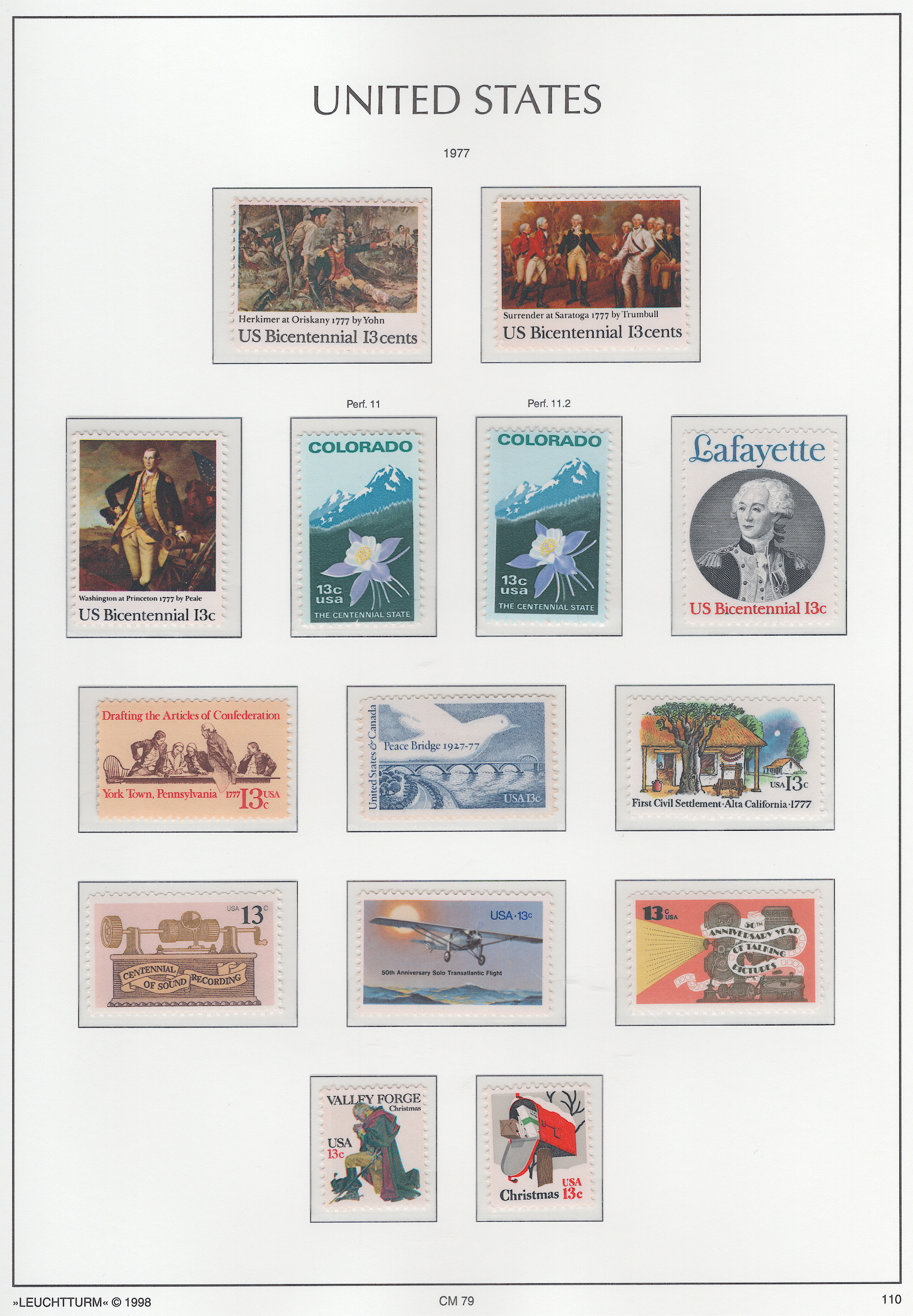
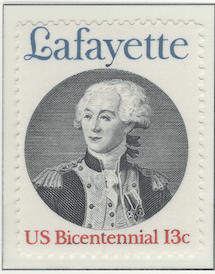
Gilbert du Motier, Marquis de Lafayette was an interesting and romantic person of the American Revolution – and the two French Revolutions. He was an officer in the French military starting in his teens, but that was more a royal title rather than a command position. He was trained for fighting, though. In his late teens, he was moved by the news and stories about the American Revolution, and from his relationship with Benjamin Franklin who was in France at the time trying to get support of the French king and people for American independence. With the endoresement of Franklin, Lafayette traveled to America.
In the Summer of 1777, Lafayette attended the Second Continental Congress. Since he spoke English and agreed to serve witout pay, they made him a Brigadier General (i.e., a one-star general) in the Continental Army, but with no direct command of soldiers. He soon afterwards met General Washington who liked him very much. Washington made him a member of his staff, but would not give him command.
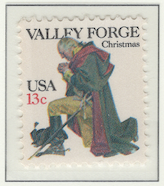
In the Autumn, though, Lafayette accompanied Washington and his troops to Chadds Ford, Pennsylvania. He fought in the Battle of Brandywine Creek. He assisted greatly in troop movements during battle. Although he was shot in the leg, he continued to fight and to direct troops as they withdrew to safety. After this, Lafayette was given command of three hundred soldiers, for which he led well into battles. He and his troops were with Washington at Valley Forge that Winter. In 1779, Lafayette returned to France for a while and managed to get the French government to agree to send ships and troops to America, although they were slow to engage in battle with the British. Back in America, Lafayette was given larger commands with moderate successes. A few times, the British sent thousands of troops to engage his command in failed attempts to capture him.
In late Summer 1781, British General Cornwallis who commanded the bulk of British troops, moved them to Yorktown, Virginia along the Atlantic coast. He intended to get reinforcements and supplies from British ships coming to the port. However, Layfette with 1200 troops, and Alexander Hamilton with another few hundred, closed in on Cornwallis and his soldiers. At the same time, Lafayette was able to get the French ships that had been sitting idle to navigate to Yorktown by sea, arriving before the British navy.
With Cornwallis’ troops contained, in September Washington arrived with thousands more troops for the Siege of Yorktown. There were about nine thousand American troops and nearly eleven thousand French soldiers – Lafayette’s enthusiasm had spread to others in France – with twenty-nine French ships. On the other side, there were five thousand British and three thousand German mercenaries. The siege lasted three weeks before Cornwallis surrendered, ending the American Revolutionary War.
Note
There are so many good stamps on this page, representing several interesting persons and stories, in particular of the Americna Revolution. I chose to write about Lafayette since this page has a nice stamp of him, and there aren’t many stamps on other pages of him – while there are many of the other people and events depicted on these stamps.
Contains 14 spots: own 14 – 14 unused, 0 used.
Page is finished.
Album or Web Page Last changed May 7, 2025
Stamp Details
The table below lists information about the stamps shown on this page of Lighthouse’s stamp album. For more details about a particular stamp, click on its description. That will take you to the related web page of Colnect.
spot |
own |
catalog |
subject |
description |
comment |
Battles & Wars
✓ |
1722 |
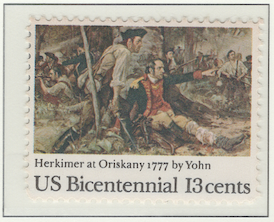
Herkimer at Oriskany |
13c (aug 1977) |
||
✓ |
1728 |
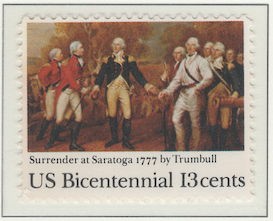
Surrender of Burgoyne |
13c (oct 1977) |
||
✓ |
1704 |
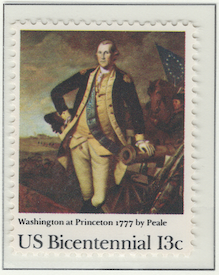
Washington at Princeton |
13c (jan 1977) |
Statehood
✓ |
1711 |
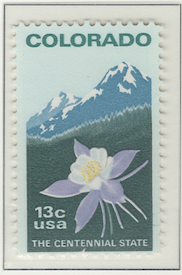
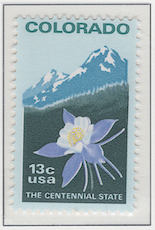
Colorado Statehood |
13c (may 1977) |
||
✓ |
1711c |
Colorado Statehood |
13c (may 1977) |
U.S. Revolution Heroes
✓ |
1716 |
13c (jun 1977) |
Other
✓ |
1726 |
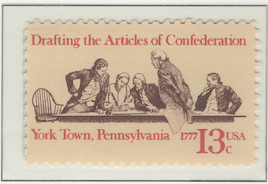
Articles of Confederation |
13c (sep 1977) |
||
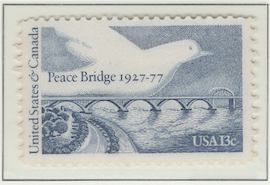
✓ |
1721 |
Peace Bridge |
13c (aug 1977) |
||
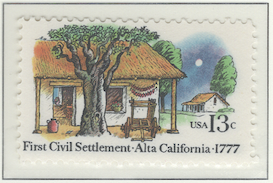
✓ |
1725 |
1st. Civil Settlement |
13c (sep 1977) |
||
✓ |
1705 |
13c (mar 1977) |
|||
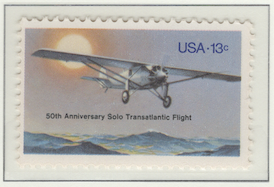
✓ |
1710 |
1st Solo Transatlantic Flight |
13c (may 1977) |
||
✓ |
1727 |
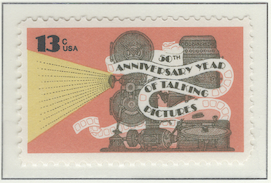
13c (oct 1977) |
Christmas & Holidays
✓ |
1729 |
Washington at Valley Forge |
13c (oct 1977) |
||
✓ |
1730 |
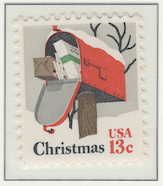
Rural Mailbox |
13c (oct 1977) |
Footnotes
Spot refers to the postion of the stamp on the album page (e.g., 3.2 indicates row 3, position 2).
Amt. is an abbreviation for the face amount of the stamp.
Own indicates the stamp status: ✓ for unused; ✗ for used or canceled; ⭑ signifies I ordered one; ; ✨ indicates it was bought recently; ✠ means an auction bid is pending; and ◎ is used, and it costs too much for unused.
To search by catalog number, go to the search box and enter it in the catalog number box. However, it’s a bit broken; I need to fix it.













